
When a person is arrested and charged with a crime, one of the critical decisions that must be made involves their release pending trial. This often leads to discussions about bail, a system designed to ensure that defendants return for court proceedings. However, what happens when bail is revoked? Understanding this process is crucial, as the ramifications can be profound and far-reaching. In this article, we will delve into the nuances of bail revocation, its implications, and the subsequent court consequences that follow.
Understanding Bail
Bail itself is a legal mechanism that allows a defendant to be released from custody with the promise that they will appear in court for their scheduled hearings. The concept is rooted in the principle of presumed innocence, which asserts that individuals are not to be punished before they have been found guilty by a court of law. When bail is granted, the defendant may pay a specified amount directly or seek the services of a bail bondsman to secure their temporary freedom.
The Nature of Bail Revocation
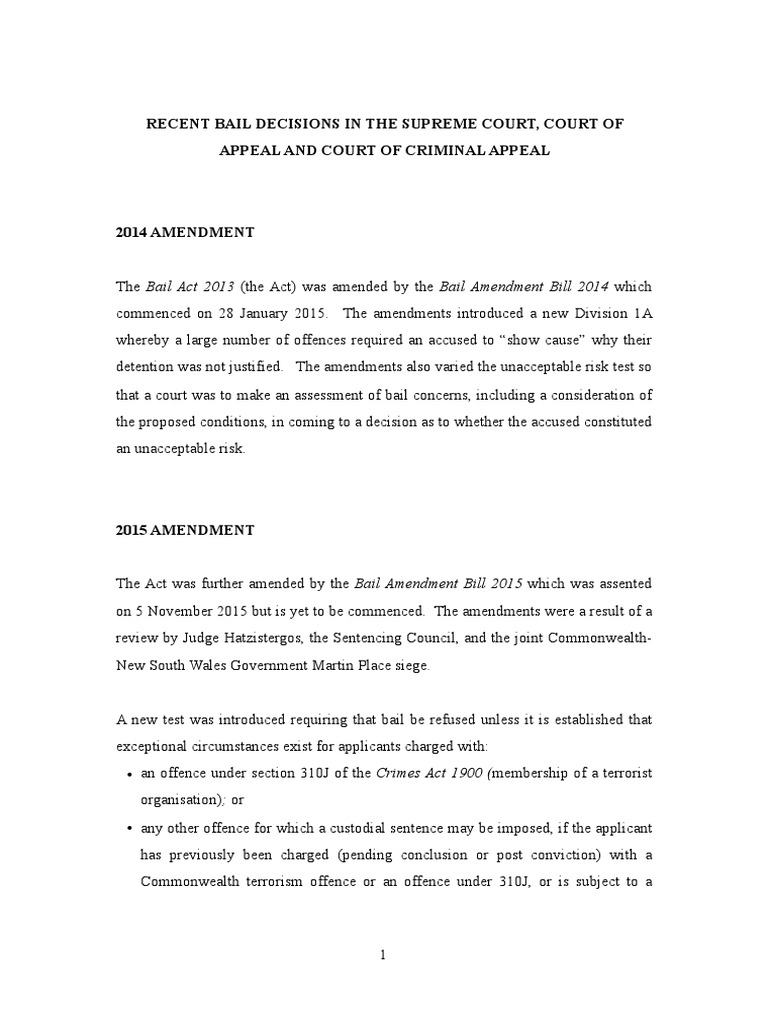
Bail revocation occurs when a court rescinds the bail previously granted to a defendant. This decision can be based on various factors, including but not limited to violations of the conditions set forth by the court, new criminal charges, or the defendant’s failure to appear at scheduled court dates. The key question then arises: how does this revocation cascade into further legal consequences?
Conditions for Bail Revocation
When bail is granted, it often comes with a set of stipulations aimed at ensuring compliance and minimizing risk. These may include regular check-ins with a pretrial services officer, restrictions on travel, curfews, or avoidance of contact with certain individuals. If any of these conditions are not met, the prosecutor or law enforcement may petition the court to have bail revoked. This is not a mere technicality; it reflects a breach of trust and can lead to significant consequences.
The Process of Revocation
A bail revocation typically begins with a hearing. In this judicial proceeding, the prosecution will present evidence to substantiate the claim that the defendant has violated bail conditions. The defendant is given an opportunity to defend against these allegations. The judge will evaluate the arguments presented, assess the evidence, and ultimately decide whether to uphold the revocation. This process underscores the gravity of the situation, as losing bail equates to being remanded back into custody.
Consequences of Bail Revocation
The implications of a bail revocation can be severe and multifaceted:
- Immediate Incarceration: Once bail is revoked, the defendant will likely be taken into custody immediately. This not only impacts their freedom but can also lead to various logistical and emotional challenges, from arranging for legal representation to dealing with the realities of jail life.
- Legal Repercussions: In addition to returning to custody, the defendant may face additional charges related to the violation itself. This could include contempt of court or other criminal charges that stemmed from their behavior while out on bail.
- Impact on Pretrial Strategy: Being incarcerated while awaiting trial can severely limit a defendant’s ability to prepare their defense. Access to legal counsel, witnesses, and necessary evidence may be stymied, undermining their case.
- Emotional and Psychological Toll: The experience of having one’s bail revoked can be traumatic, resulting in heightened anxiety and stress not just for the defendant, but also for their family and loved ones. Navigating the implications of incarceration can lead to significant psychological strains.
Judicial Discretion and Considerations
The judiciary is endowed with a considerable degree of discretion when it comes to bail decisions. Judges may take into account various factors such as the nature of the alleged offense, the defendant’s criminal history, and their ties to the community when determining the appropriateness of granting or revoking bail. This nuanced evaluation reflects the complexity of each case and the myriad factors that judges must weigh in pursuit of justice.
Preventive Measures Against Bail Revocation
For defenders aiming to maintain their bail status, certain strategies may prove effective:
- Compliance: Adhering strictly to the conditions of release is paramount. This includes attending all court dates and staying away from any activities that could jeopardize their freedom.
- Open Communication: Maintaining transparent and ongoing communication with the assigned pretrial services officer can preemptively address potential issues before they escalate into serious violations.
- Legal Representation: Enlisting a competent attorney familiar with the intricacies of bail laws can provide invaluable support. A knowledgeable attorney can advocate effectively on a defendant’s behalf, mitigating the risks of revocation.
The Bigger Picture of Bail Revocation
Bail revocation is not merely a personal setback for the defendant; it reveals broader systemic issues within the criminal justice system, such as socioeconomic disparities and the impact of incarceration on families. Understanding the implications of bail and its revocation invites a deeper examination of how society treats individuals accused of crimes, emphasizing the need for reform and compassion within the judicial structure.
In conclusion, being knowledgeable about bail revocation is essential for anyone involved in the legal system. The consequences are multifaceted, affecting not only the defendant but also their families and communities. As legal landscapes evolve, a profound understanding of these dynamics remains crucial, ensuring individuals navigate their legal battles with awareness and preparation.












