
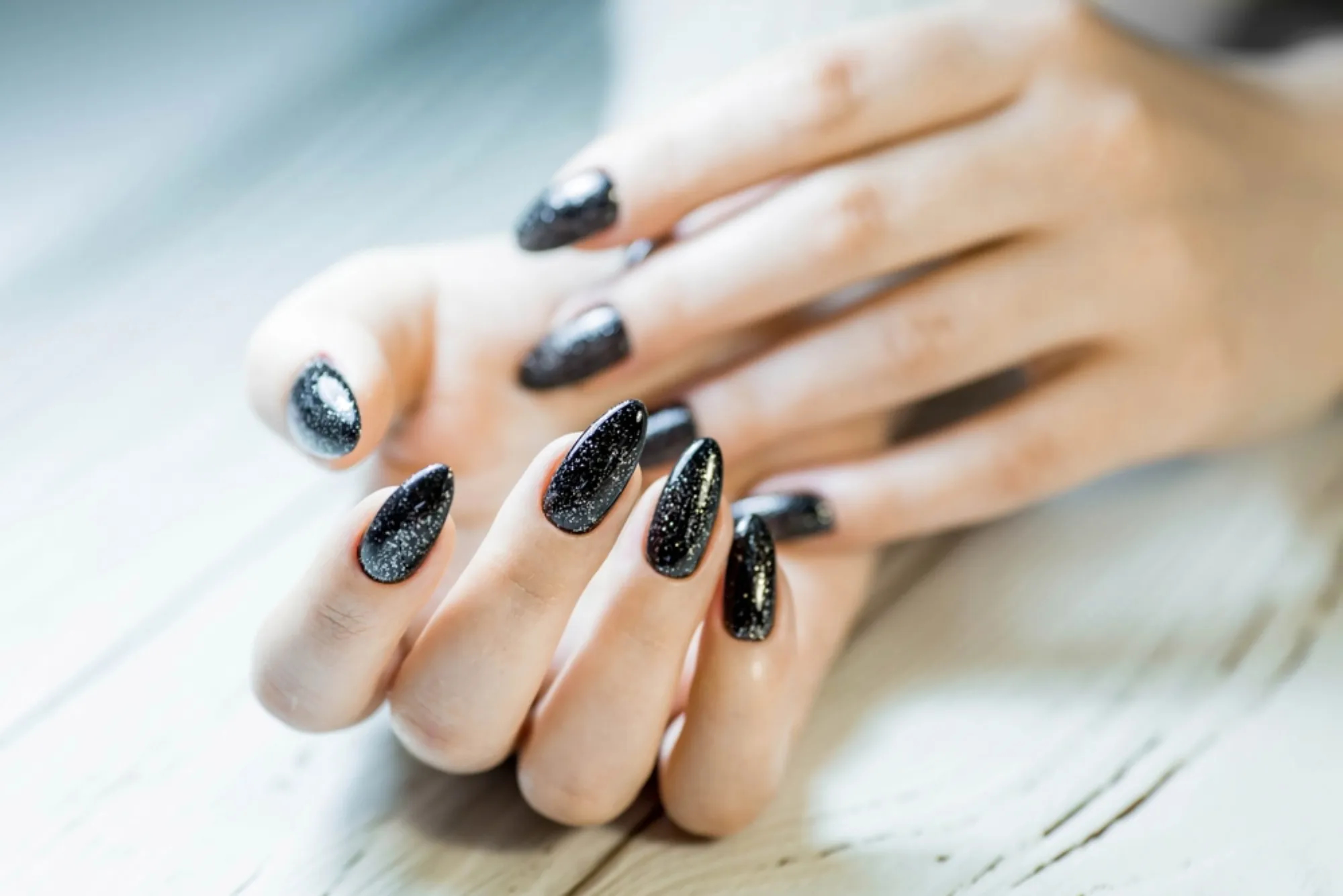
When you see a girl sporting black nail polish, what comes to mind? Does it evoke images of rebellion, gothic elegance, or perhaps an avant-garde style statement? The allure of black nail polish extends far beyond mere aesthetics. It embodies a multitude of meanings that resonate with different individuals, transforming a simple nail color into a canvas of self-expression. The bold choice of black has sparked a myriad of interpretations, inviting intrigue and prompting questions about the personality and attitudes of the wearer.
In this exploration, we’ll delve into the rich tapestry of style and symbolism associated with black nail polish. Examining its historical context, contemporary relevance, and cultural associations, we aim to unravel what this captivating color truly signifies for those who choose to adorn their nails with it. Are you ready to challenge conventional perceptions? Let’s embark on this journey.
The Historical Landscape of Black Nail Polish
To fully appreciate the significance of black nail polish today, one must first trace its origins. Black nail polish has roots that stretch back to ancient civilizations. In ancient China, black nails denoted nobility and high status, particularly among the aristocracy. The color was meticulously crafted using pigments from natural sources, signifying power and prosperity.
Fast forward to the 20th century, when the fashion industry began to embrace the boldness of black in nail art. The 1920s flapper culture introduced more daring beauty styles, contributing to the modern acceptance of darker hues in makeup. However, it wasn’t until the punk rock movement of the 1970s and 1980s that black nail polish became synonymous with rebellion and self-assertion. This pivotal era blended fashion with a defiant spirit, encouraging individuals, especially women, to challenge societal norms.
Defiance and Rebellion: A Symbolic Perspective
Black has long been associated with defiance and nonconformity. For many, wearing black nail polish is a subtle act of rebellion against traditional beauty standards. It carries a bold message: “I am unapologetically myself.” In a world that often pressures individuals, particularly women, to conform to specific ideals of femininity, black nail polish serves as a reminder of individuality and strength. It encapsulates the spirit of a generation that values authenticity over pretension.
Wearing black can also represent a rejection of stereotypes. The idea that certain colors dictate personality traits is a dated concept that today’s society increasingly challenges. Girls who choose black nail polish may embody complexities that defy simple categorization, showcasing a blend of edginess and elegance. It invites onlookers to appreciate the nuances of their identity.
The Glamour of Darkness: Aesthetic Appeal
Beyond symbolism, black nail polish possesses an undeniable aesthetic allure. It exudes sophistication and versatility, seamlessly complementing a range of styles from edgy punk to chic minimalist. The glossy finish of a well-applied black manicure can transform even the simplest outfit into a statement of high fashion.
Moreover, black as a nail color can evoke an air of mystery. It is often seen as enigmatic and alluring, prompting intrigue from those who glance at a girl’s darkly polished fingertips. The juxtaposition of a seemingly stark hue against the delicate nails highlights a captivating contrast that can captivate attention.
Subcultures and the Influence of Pop Culture
Black nail polish has deep ties to various subcultures and movements, serving as a hallmark of identity within those groups. From goth and punk to emo and rockabilly, black nails frequently signify affiliations with alternative lifestyles. Each subculture has its ethos, and black nail polish becomes a form of visual shorthand that communicates allegiance to those beliefs.
The media and pop culture play a significant role in perpetuating the popularity of black nail polish. Icons from different eras—such as Joan Jett, Amy Winehouse, and Billie Eilish—have donned this shade, further embedding it in contemporary fashion narratives. Their influence showcases how black nail polish can transcend mere color, becoming emblematic of artistic expression and personal storylines.
Self-Expression and Empowerment
Choosing to wear black nail polish can be an empowering act of self-expression. It allows individuals to showcase their mood, personality, or even stance on social issues without uttering a word. Nail art has evolved into a medium of storytelling, where each color, design, and finish conveys a fragment of the wearer’s essence.
For many girls and women, embracing the color black is an affirmation. It can signify confidence, asserting that they possess the strength to stand out in a crowd. The act of painting one’s nails can also be therapeutic, a form of self-care that fosters creativity and encourages personal agency, even in small choices.
The Challenge of Preconceptions
However, despite its rich symbolism and personal meaning, societal preconceptions about black nail polish persist. Some individuals may unfairly judge those who wear it as being dark or brooding. This challenge invites conversations about perceptions of beauty and the judgments tied to personal style choices. It raises the question: How do we define ourselves against societal expectations?
A girl’s choice in nail color—beer-black polish or otherwise—is a decision that can reflect myriad aspects of who she is. It beckons for understanding and appreciation rather than dismissal or stereotyping. This conscious challenge of perceptions can promote a deeper dialogue about individuality and the celebration of diversity in self-expression.
Conclusion: A Color of Possibilities
In concluding this exploration, black nail polish emerges not just as a color, but as a multifaceted phenomenon that carries depth and complexity. It intertwines history, culture, self-expression, and individual empowerment, redefining what it means to embrace one’s identity. So, the next time you spot a girl with black nail polish, consider the stories her fingertips may convey. In a world that often seeks to categorize, perhaps it is time we celebrate the vibrant spectrum that exists within a single color—inviting us all to reflect on our challenges, our choices, and our narratives.












