
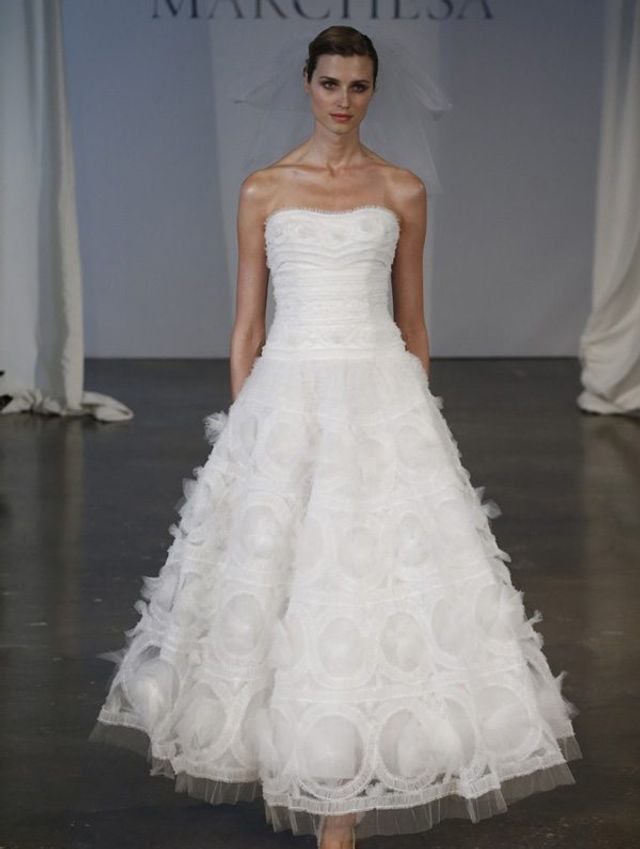
Bridal style—two words that evoke a myriad of emotions, visions, and aspirations. This term encapsulates an ever-evolving realm of fashion that transcends mere fabric and design; it reflects a confluence of cultural narratives, personal identities, and timeless elegance. To truly decode what bridal style means is to embark on a fascinating journey through history, aesthetics, and the interplay of modernity with tradition.
The significance of bridal style goes beyond the physical garment worn on the day of matrimony. It embodies the ideals, dreams, and sometimes the sheer whims of the bride. Each choice, from the silhouette and color to the intricate embellishments, narrates a story—a narrative that is often intertwined with cultural backgrounds, personal preferences, and even social trends. What does this tell us about the individual donning the attire? It signifies a celebration of self; a declaration of individuality during a momentous life transition.
Delving deeper, one must consider the multifaceted nature of bridal fashion. At its core, bridal style can be categorized into several distinct types, each rich with its unique historical context and aesthetic philosophy. Traditional styles, such as the luxurious ball gown, resound with echoes of royal weddings and elaborate ceremonies. This grand dress style, characterized by its voluminous skirt and cinched bodice, is often synonymous with fairy tales, where every bride transforms into a modern-day princess on her special day.
Conversely, the minimalistic trend, which has surged in popularity in recent years, advocates a departure from extravagance. Think sleek lines, understated elegance, and a sense of modernity. Attire that boasts simplicity often incorporates refined fabrics, muted tones, and a focus on craftsmanship, allowing the wearer’s personality to shine through rather than being overshadowed by a plethora of embellishments. This aesthetic invites a shift in perspective, offering brides the freedom to embrace their individuality without feeling constrained by tradition.
As the concept of bridal style continues to evolve, it has become increasingly inclusive and diverse. The contemporary bride may opt for non-traditional hues, experiment with silhouettes that defy expectations, or even don a chic jumpsuit instead of the classic gown. This pivot towards inclusivity means that bridal fashion is now personalized to fit a spectrum of identities and expressions. Couples today do not just adhere to convention; they curate their ceremonies and attire to reflect their unique partnership, evoking authenticity in every detail.
The fabrics chosen for bridal attire also play a pivotal role in defining style. Luxurious silks, ethereal lace, and even avant-garde materials are becoming increasingly popular, allowing designers to innovate while simultaneously honoring the textile traditions of bridal couture. The tactile experience of these materials not only enhances the aesthetic appeal but also invokes feelings of nostalgia, warmth, and happiness. The texture of a gown can elevate the entire bridal look from merely beautiful to utterly unforgettable.
Accessories, often overlooked, serve as the pièce de résistance in any bridal ensemble. The right accessories can transcend a dress’s conventional beauty, adding layers of meaning and personal flair. Veils, tiaras, and even statement earrings can transform a simple gown into a personalized masterpiece. Each accessory fulfills a dual purpose: to enhance the overall aesthetic and to serve as a sentimental token that can hold emotional significance for the bride. This notion aligns with the broader movement toward personalization in bridal style, where each detail is a reflection of personal history and individuality.
Bridal style also embraces cultural diversity, showcasing attire that resonates with various traditions and customs. Traditional garments like the Indian lehenga, the Chinese qipao, or the Scottish kilt each narrate stories of cultural heritage and familial pride, inviting brides to celebrate their roots. These garments often incorporate family heirlooms or specific symbols that are rich in meaning, creating a beautiful tapestry of history woven into the fabric of the wedding day.
Moreover, bridal style borrows from wider fashion trends, blending influences from the high-fashion runways across the globe. Designers are continually inspired by art, cinema, and even street style, allowing for eclectic combinations that promote originality. By intertwining avant-garde elements with time-honored traditions, bridal wear remains perpetually fresh and perpetually fascinating.
An aspect that cannot be overlooked in the discussion of bridal style is sustainability. The modern bride is increasingly aware of her ecological footprint and is gravitating toward eco-friendly choices. This has led to a burgeoning market for sustainable bridal wear—designs that utilize recycled materials, promote ethical labor practices, and embrace timeless styles, allowing future generations to inherit garments that are as conscientious as they are beautiful. The movement towards sustainability invites brides to consider not just how they look on their big day, but the legacy they leave behind.
In conclusion, understanding bridal style is akin to unlocking a treasure trove of creativity, individuality, and cultural expression. It signifies so much more than an outfit; it communicates a story, a legacy, and an evolving narrative that embodies the essence of every bride. As we decode bridal fashion, we invite an appreciation of its multifaceted nature—one that encourages both personal expression and celebration of diverse heritages. This exploration fosters a deeper connection to what bridal style means, enticing future brides and fashion enthusiasts alike to cherish their own narratives within this splendid tapestry of marriage and celebration.












