
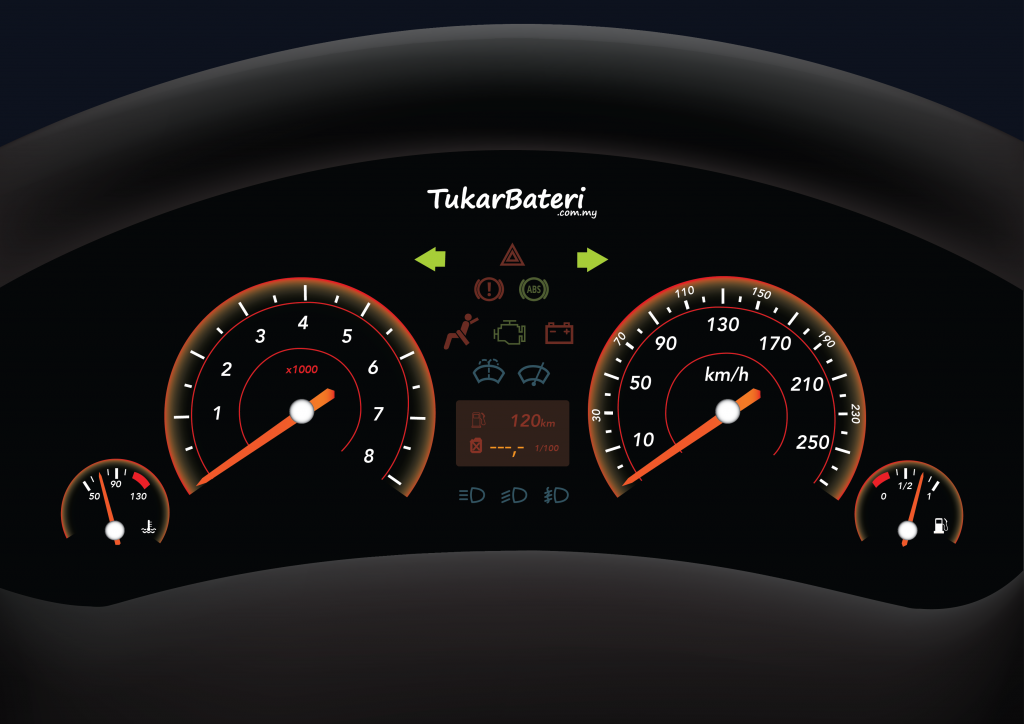
When you glance at your vehicle’s dashboard, you’re greeted by a symphony of lights and symbols, each carrying its own significance. Among these, the letters “C” and “H” often appear, sometimes causing confusion and prompting questions. What do these letters signify, and why are they integral to the functioning of your automobile? In this article, we will delve into the meanings of “C” and “H,” explore their relevance, and examine the broader implications of dashboard indicators.
The letters “C” and “H” relate primarily to the temperature readings of your vehicle’s engine and coolant systems. Specifically, “C” stands for “Cold,” while “H” denotes “Hot.” These indicators are crucial for understanding how your car’s engine is performing and whether it is operating within a safe temperature range. However, their presence raises deeper questions about engine functionality and maintenance practices.
To begin with, let us explore the engine temperature gauge, which is the area of the dashboard where “C” and “H” are prominently displayed. This gauge operates as the sentinel of your engine’s wellbeing, allowing you to monitor its temperature. When the engine is cold, the gauge points to “C,” providing reassurance during the initial stages of operation. Conversely, as the engine warms up to its optimal operational temperature, the needle moves progressively toward the “H” mark.
Understanding the importance of these indicators extends beyond mere observation. For instance, a consistently cold engine (indicated by “C”) may suggest several underlying issues. It could indicate that your thermostat is stuck in the open position, preventing the engine from reaching its ideal temperature. The consequences of such a scenario can be detrimental, potentially leading to increased fuel consumption and diminished performance. Additionally, prolonged driving with a cold engine can result in excessive wear and tear, as all components are designed to operate efficiently at higher temperatures.
On the other end of the spectrum, the “H” indicator serves as a cautionary signal. When the temperature gauge reaches “H,” it indicates that the engine is overheating. This scenario can be alarming for any driver, as operating an overheated engine can cause catastrophic damage. Various factors can lead to overheating, such as low coolant levels, a malfunctioning radiator, or even a failed water pump. Recognizing the “H” early can be paramount; pulling over immediately and addressing the situation can mean the difference between a minor inconvenience and an expensive repair.
To further comprehend the implications of “C” and “H,” it is essential to consider the broader context of vehicle maintenance. Regular checks on your coolant levels are vital. The coolant system plays a significant role in maintaining your engine’s temperature. An inadequate coolant supply may result in fluctuating temperatures, where the needle bounces between “C” and “H.” Such fluctuations could indicate leaks or blockages within the system, and should be promptly addressed.
The fascination with dashboard indicators like “C” and “H” is deeply rooted in the driver’s desire to understand and foster a connection with their vehicle. A car does not merely serve as a mode of transportation; it represents a complex system of mechanics that requires constant attention and care. By engaging with these indicators, drivers become more attuned to their vehicles’ needs and can preemptively address potential issues. This not only enhances the longevity of the vehicle but also provides a sense of security and confidence in its operational reliability.
Moreover, the simplicity of a letter engraved onto a dashboard belies the intricacies of automotive engineering. “C” and “H” are not merely letters; they encapsulate decades of technological advancements and engineering insights. The ability to gauge engine temperature through a straightforward visual cue demonstrates the beauty of automotive design, merging functionality with clarity.
Additionally, understanding the meanings behind these letters enriches the driving experience. It enhances the driver’s ability to react appropriately to varying conditions. For instance, a driver who comprehends the significance of “H” will likely be more vigilant about monitoring their engine temperature during long trips or challenging weather conditions. This knowledge empowers drivers to make informed decisions and engages them in a continuous learning process regarding their vehicle.
In conclusion, the letters “C” and “H” on your car’s dashboard serve fundamental roles in enhancing vehicle awareness and maintenance. They symbolize the delicate balance between cold and hot, indicating when your engine is functioning optimally and when it requires immediate attention. By understanding and respecting these indicators, drivers can foster a deeper connection with their vehicles while ensuring they remain in peak condition. As you embark on your next journey, take a moment to appreciate the significance of these simple letters; they are, after all, crucial elements of the complex and fascinating world of automotive engineering.












