
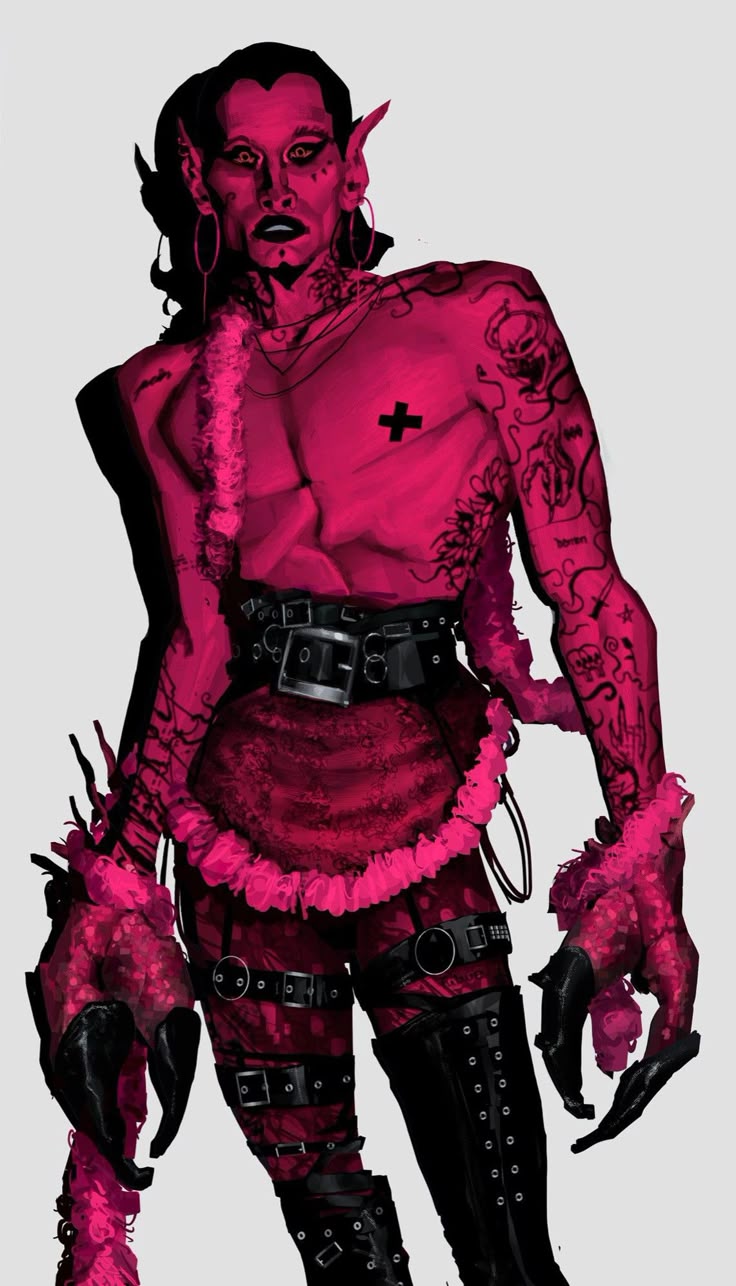
What does the term “His Infernal Majesty” (HIM) evoke in the mind? This enigmatic phrase, often associated with certain rock music subcultures, conjures images of gothic romance and dark, esoteric symbolism. It invites an exploration into its multifaceted meanings, artistic expressions, and historical evolution. This article delves into the origins and interpretations of the phrase, traversing its historical roots and cultural significance.
At its core, “His Infernal Majesty” embodies a paradox. It suggests an ambiguous relationship with the divine and the demonic, merging the regal majesty often associated with kingship with the infernal aspects linked to Hell. This duality invites a deeper inquiry: what drives the allure of such dichotomous representations in art and music? To explore this, we must begin with the origins of the concept.
The term itself harkens back to historical depictions of monarchs, particularly those depicted in literature and religious texts, as wielders of enormous power. In various cultures, titles such as “His Royal Highness” or “His Excellency” dominate but are often devoid of the dark connotations present in “His Infernal Majesty.” The juxtaposition creates a provocative tension, suggesting that the authority of a sovereign could extend into the realms traditionally associated with evil or rebellion.
Tracing its lineage further, we find influences in romantic literature, particularly from the Gothic genre. Authors like Edgar Allan Poe and Mary Shelley explored the intricacies of human nature, often showcasing the darkness lurking beneath the surface. The interplay of love and horror, life and death, serves as a canvas upon which the complexities of the term can be painted. The phrase resonates with readers and listeners alike, urging a confrontation with the macabre aspects of existence.
One of the most prominent manifestations of this term in modern culture is its association with the Finnish band HIM, formed in the mid-1990s. Their music, often categorized as “love metal,” encapsulates the dual nature of passion—blissful yet torturous. The band’s evocative lyrics frequently reference themes of desire entwined with loss, sorrow, and darkness, perfectly embodying the essence of “His Infernal Majesty.” Through their art, they channel the archetypal figure of the tormented lover, capturing the listener’s imagination.
The band’s aesthetic often employs a fusion of gothic imagery and romantic symbolism, resonating with the concepts of eternal love and despair. Their heartagram logo—an amalgamation of a heart and a pentagram—serves as a visual representation of the duality encapsulated in the phrase. This emblem is emblematic of the band’s ethos: it symbolizes love intertwined with darkness, elevating the mundane human experience to a near-divine status while acknowledging its tragic dimensions.
Moreover, the term “His Infernal Majesty” has permeated broader popular culture, including films, literature, and visual arts. Its adoption signifies not just an appreciation for the gothic aesthetic but also a challenge to conventional morality. The embrace of themes such as seduction, fear, and the supernatural creates a rich tapestry of ideas worthy of examination.
In literature, figures such as the Devil have long been portrayed as majestic yet horrifying. Works like Dante Alighieri’s “Inferno” explore the majesty of the infernal, portraying Satan as a tragic figure—a once-great angel now fallen. This literary tradition beckons us to contemplate the grandeur of rebellion against divine authority, a recurring theme in works that explore the burden of knowledge and existential choices.
Furthermore, in visual art, the contrast between light and shadow serves to accentuate this thematic duality. Artists like Francisco Goya and Hieronymus Bosch depicted realms where the divine and the infernal coexist. Their masterpieces challenge viewers to grapple with the complexity of the human soul, encapsulating the very essence of “His Infernal Majesty.” With every brush stroke, they explore the notion that understanding darkness may lead to a greater comprehension of light. The interplay of beauty and grotesqueness invites the observer to ponder their own position within this spectrum.
As we contemplate these interpretations, we can pose an intriguing question: What does it mean to embrace this duality in our lives? For many, acknowledging the presence of darkness is an essential part of personal growth. In the realm of self-discovery, recognizing the myriad facets of one’s identity—including the less palatable aspects—can lead to a more holistic understanding of oneself. It fosters an acceptance that makes room for a spectrum of emotions, from joy to sorrow, thereby enriching the human experience.
Yet, as we navigate this complexity, a challenge arises: how do we engage with the darker aspects of our existence without being consumed by them? This is where art, in its many forms, becomes paramount. Music, literature, and visual arts provide safe spaces for exploration, allowing us to confront fears and desires from a distance, enabling catharsis without succumbing to despair.
In conclusion, “His Infernal Majesty” embodies a rich tapestry of meanings that blend history, art, and the human experience into a comprehensive narrative. It invites us to embrace the paradoxes within ourselves—light intertwined with darkness, celebration alongside sorrow. This phrase serves not only as a symbolic title but also as an invitation to engage with the complexities of existence. As we delve deeper into this exploration, may we emerge with a greater understanding of the interplay between majesty and the infernal, recognizing the power that such dualities hold in shaping our narratives and identities.












