
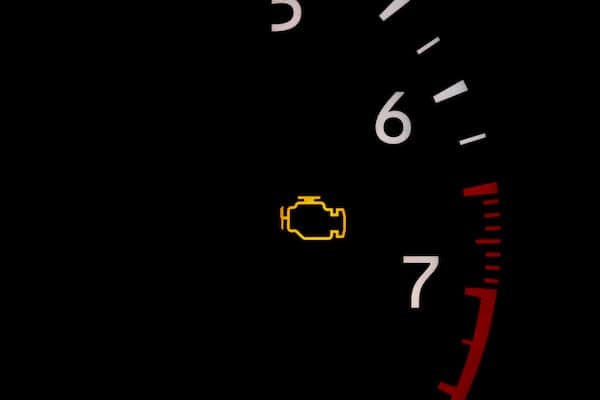
When you’re driving down the road, the last thing you want to see is your engine light blinking ominously. But what does it actually mean when that little light starts dancing on your dashboard? Is it simply a mild inconvenience, or does it signal a more urgent issue that requires your immediate attention? Let’s dive deep into the perplexing world of engine lights and uncover the potential challenges that arise when that little warning sign starts to flicker.
The engine light, or check engine light (CEL), serves as a critical indicator that your vehicle is grappling with issues beneath the surface. Unlike a steady glow, a blinking engine light is a different phenomenon entirely. It typically means that your car’s engine is experiencing a severe problem that could potentially cause irreparable damage if not addressed promptly. Think of it as your vehicle’s way of signaling a distress call—something is amiss, and you should take heed.
But what could be causing this urgent flicker? Below, we’ll explore several culprits that may lie behind the ominous glow of your engine light.
1. Misfiring Engine
One of the most common reasons for a blinking engine light is engine misfire. This occurs when fuel is not ignited properly in one or more of your engine’s cylinders. Misfires can lead to power loss, poor fuel economy, and can potentially damage other components of the engine if left unchecked. If your vehicle is lurching or vibrating while you drive, that’s a clear signal of misfiring. Consider this: Are you willing to ignore the thrill of a rough ride, or will you take action?
2. Overheating Issues
An engine that runs hotter than it should can also trigger a blinking check engine light. Overheating can be caused by numerous factors, such as a faulty thermostat, a malfunctioning water pump, or even a leak in the cooling system. If your engine light is blinking and you notice steam or a temperature gauge creeping into the red zone, it’s time to pull over. The question is, how long can you risk driving before it potentially leads to engine failure?
3. Fuel Delivery Problems
A failing fuel injector or a clogged fuel filter can lead to improper fuel delivery, resulting in a range of performance issues. If the engine isn’t getting the right mix of air and fuel, it can sputter or hesitate under acceleration, and your engine light will blink in response. Have you ever wondered how such a simple fuel issue could lead to a significant challenge in your driving experience?
4. Emission Control Malfunctions
Modern vehicles are equipped with intricate systems designed to manage emissions effectively. When there’s a fault within the catalytic converter, oxygen sensors, or EGR (Exhaust Gas Recirculation) system, it can lead to a blinking engine light. Not only are you putting your car at risk, but also contributing to greater environmental impact. So the question remains: How much longer will you continue to drive with a potential polluter?
5. Ignition System Deficiencies
Faulty spark plugs or ignition coils can also result in a blinking engine light. These components are crucial for igniting the fuel-air mixture in your engine, and if one or more are not functioning correctly, it can throw your entire system out of whack. Ignoring these issues means you might find yourself stranded, facing a much higher repair bill down the line. Are you prepared for that challenge?
What Should You Do If Your Engine Light Is Blinking?
Upon noticing the blinking light, your first instinct ought to be to pull over safely. Continuing to drive could exacerbate the underlying problem. Once stopped, here’s what to consider:
- Check Your Dashboard: Look for any other warning lights or symptoms—overheating, low oil pressure, etc., that may indicate additional issues.
- Examine Fluid Levels: Check coolant, oil, and transmission fluids. Low levels may provide clues to what’s amiss.
- Consult Your Owner’s Manual: The manual may offer insights specific to your vehicle regarding fault codes associated with the blinking light.
- Professional Diagnostic: Ultimately, taking your vehicle to a qualified technician for a diagnostic test is vital. They can retrieve fault codes that will point to the root cause of the problem.
Preventative Measures Moving Forward
After addressing the immediate issue, consider implementing preventative strategies to minimize the risk of future blinking lights. Regular maintenance outings, fluid changes, and employing those seemingly tedious checks can save you heartache later. Additionally, educating yourself on your vehicle’s needs can aid in detecting early symptoms of trouble before they escalate. So, can you embrace a proactive approach to automotive care?
In conclusion, the blinking engine light is more than just a nuisance—it serves as a pivotal warning of deeper mechanical distress. Your next steps could make a significant difference in your vehicle’s performance and longevity. The road ahead may be full of challenges, but embracing them with knowledge and action can keep you cruising smoothly. Will you heed the call of your car, or let it fade into the distance?












