
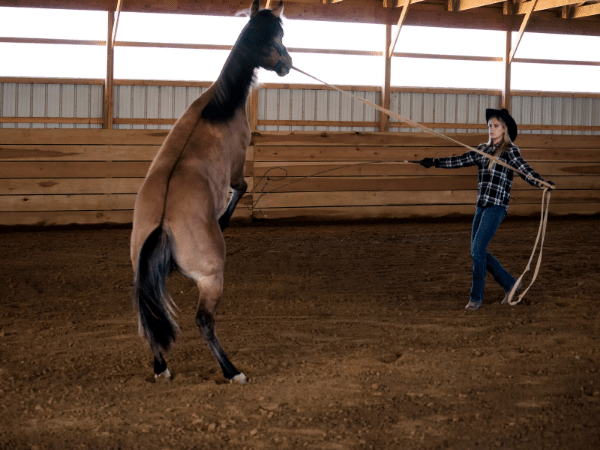
Breaking a horse, often veiled in mystique and a tapestry of history, transcends the mere act of training. It signifies the inception of a profound partnership between equine and human, a delicate ballet of trust, respect, and understanding. This intricate process, steeped in both tradition and innovative technique, invites us to unravel its layers. Let’s embark on an exploration that dissects the terminology, methods, and philosophies underlying horse breaking, bringing to light its nuances and the artistry embedded in each step.
The Essence of Breaking
At its core, to break a horse is to imbue it with the ability to accept human guidance while fostering a bond that is tenable and reciprocal. It is an alchemical process, transforming a spirited animal into a willing partner. This transformation is not merely about imposing control; it is akin to teaching a fluent language of signals and cues that resonate symbiotically between horse and rider. It invites us to rethink the metaphor of the ‘broken horse’—from a symbol of defeat to one of harmonious companionship.
Terminology: Demystifying the Jargon
In the lexicon of equine education, certain terms evoke curiosity and misunderstanding. Let’s demystify some of these expressions:
- Breaking: A term that suggests a cessation of wildness, but more accurately implies the initiation of work and communication. Here, the horse is not broken but rather guided into a new realm of understanding.
- Groundwork: Before riding, groundwork is paramount. This phase builds the foundation upon which the horse’s trust in the handler is built. It includes leading, longeing, and desensitization, creating a framework for future training.
- Desensitization: Gradually exposing the horse to various stimuli—new sounds, sights, and sensations—to lessen anxiety and increase confidence. This is akin to introducing a child to diverse experiences, fostering resilience and adaptability.
- Mounting: The act of getting onto the horse symbolizes a significant milestone. It is not merely a physical event but a pivotal moment that connects rider and horse through trust and acceptance.
The Art of Groundwork
The foundation of effective breaking rests upon meticulous groundwork. This stage may remind one of planting a seed in fertile soil, nurturing it to burgeon into a strong sapling. Groundwork incorporates exercises like circle work and obstacles, instilling the horse with the skills to respond calmly to cues and challenges. This preparatory phase is an exercise in patience, where the horse learns to engage with the handler not from fear but through mutual respect. The connection forged here acts as a bedrock for all future learning.
Establishing Trust: The Heart of Breaking
To break a horse successfully is to cultivate an unshakeable bond. Trust is the invisible thread that intertwines the lives of horse and rider. It is established through consistency, clarity, and kindness. The horse, an animal instinctively attuned to the subtleties of human emotion, senses whether the handler’s intentions are rooted in respect or dominance. A trustworthy relationship will yield far greater results than one founded upon coercion.
Desensitization: A Step Towards Familiarity
The process of desensitization transforms the unfamiliar into the commonplace. Introducing new objects, environments, and experiences to a horse requires a delicate touch. Each encounter should be gradual and carefully curated, much like an artist layering paint on a canvas. Start with benign items, allowing the horse to explore and understand its surroundings. This method not only mitigates fear but also equips the horse with the courage to navigate unpredictability.
The Significance of Mounting
While mounting may seem like a straightforward task, the implications are profound. It represents a shift from groundwork to active partnership. This crucial moment requires more than just physical preparation; it embodies the culmination of trust and communication previously established. The horse must perceive the act of being mounted as an invitation rather than an invasion. Approached correctly, this milestone acts as a bridge into the world of riding.
Advanced Training: The Next Level
Once a bond is formed and the horse is comfortable with basic commands and mounting, the journey proceeds into the realm of advanced training. Here, the focus shifts to refining techniques, incorporating progression through exercises such as lateral movements, jumping, and specialized disciplines like dressage or barrel racing. These activities challenge the horse’s physical capabilities while simultaneously deepening the partnership forged during the earlier stages of breaking.
Emphasizing Ethical Practices
In contemporary equestrianism, ethical practices have gained paramount importance. Trainers are now embracing methods that prioritize the horse’s well-being over traditional authoritarian models. Positive reinforcement—a technique that rewards desirable behaviors—has revolutionized the breaking process, nurturing an environment where horses thrive rather than merely comply. This philosophy resonates harmoniously with a modern understanding of animal psychology, paving the way for progressive training methodologies.
Conclusion: The Journey Beyond Breaking
Breaking a horse transcends the initial act of training; it evolves into a lifelong journey of collaboration and growth. Each step taken—whether in groundwork, desensitization, or advanced techniques—fortifies the bridge of communication between horse and rider. This partnership unveils not just the physicality of riding but also the emotional dimensions that color their shared lives. Embracing these elements fosters greater awareness, appreciation, and respect for the majestic beings that we endeavor to train. Ultimately, breaking a horse is less about mastery and more about crafting a legacy of mutual respect and unbreakable trust.












