
Imagine you or a loved one is granted a bail bond after being arrested. You breathe a sigh of relief, knowing that for the moment, freedom is attainable. But can that bond be revoked? What does that actually entail? This inquiry exposes a labyrinth of legal intricacies, laden with potential ramifications. Understanding the legal landscape surrounding bond revocation is crucial not only for defendants but also for their families and legal advisors.
Let us explore the concept of bond revocation in detail, unraveling its legal consequences and uncovering vital information that may illuminate your understanding of this pivotal aspect of the justice system.
What is a Bond?
A bond is essentially a contract wherein a defendant secures their release from custody under certain conditions, promising to return for their court hearings and comply with legal stipulations. This arrangement often involves a financial guarantee. If the defendant fails to adhere to the bond conditions, the ramifications can be severe.
Understanding the Reasons Behind Bond Revocation
Your mind might be swirling with questions: what might prompt a bond revocation? The reasons can vary widely, often depending on jurisdictional stipulations and the nature of the offense. Here are some common scenarios:
- Failure to Appear: The most notorious reason for bond revocation is when a defendant neglects to appear for scheduled court hearings. Skipping court can trigger immediate legal action against the defendant, potentially forfeiting the bond entirely.
- Violation of Conditions: Bonds frequently come with specific conditions such as maintaining employment, attending rehabilitation programs, or adhering to restraining orders. Any violation can jeopardize the bond.
- New Criminal Charges: If a defendant finds themselves entangled in new legal troubles while out on bond, this can trigger a revocation hearing. Courts typically view new offenses as a disregard for the legal process.
Legal Process of Revoking a Bond
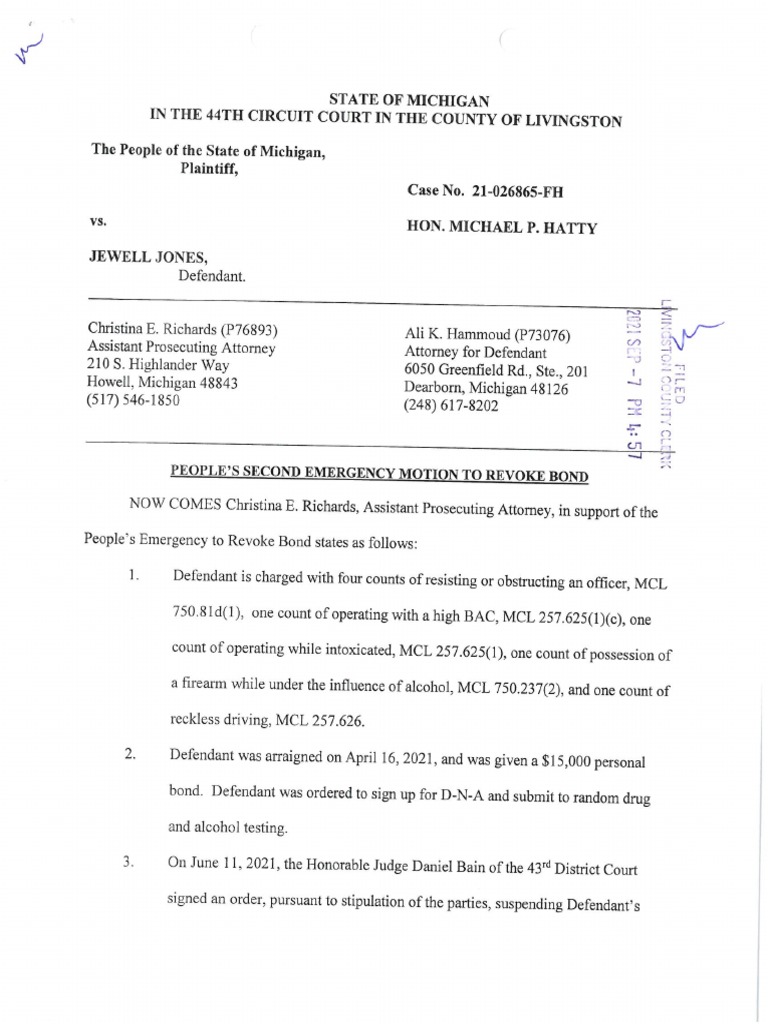
The bond revocation process unfolds in a structured manner, often beginning with a motion filed by the prosecution. This motion prompts a hearing where both parties can present their case. A judge scrutinizes the evidence presented, considering factors such as the nature of the violation, the defendant’s criminal history, and the potential risk to the community or victims.
During this hearing, defendants possess the right to legal representation. A skilled attorney can present mitigating evidence or argue against the revocation, painting a different picture of the circumstances surrounding the violation.
Once the judge has evaluated the arguments, they determine whether to endorse the revocation. If they choose to revoke the bond, the defendant is typically taken back into custody. The judge can also impose additional conditions or set a new bail amount, depending on the case’s specifics.
Consequences of Revoking a Bond
The consequences of bond revocation reverberate through numerous facets of a defendant’s life. Here are some possible repercussions:
- Loss of Freedom: The most immediate effect is incarceration. Being taken back into custody can exacerbate a defendant’s legal woes and complicate their case.
- Financial Ramifications: The bond may be forfeited, leading to financial loss for the individual or their family. In cases where a surety bond is involved, the bonding company may pursue the co-signer for payment.
- Increased Sentencing: Subsequent penalties can be more severe for defendants whose bonds have been revoked. Judicial authorities often view violations as aggravating factors, leading to harsher sentences.
Your curiosity might lead you to ponder: what recourse options exist after a bond has been revoked? Thankfully, individuals often have avenues for appeal or reconsideration. They may petition the court to review the revocation ruling, especially if new evidence emerges that could counter the claims made during the original hearing.
Preventing Bond Revocation
With so much on the line, it is prudent for defendants to remain vigilant in adhering to all bond conditions. Regular communication with legal counsel can provide clarity and guidance throughout the process. Additionally, maintaining good behavior can establish a favorable image in the eyes of the court, reducing the likelihood of revocation.
Moreover, understanding the specific obligations of the bond can empower defendants and their families. Engaging in community programs or fulfilling obligations can bolster a defendant’s case should any issues arise.
Final Thoughts
Navigating the nuances of bond revocation can feel like traversing a minefield. However, gaining insight into this complex legal terrain is imperative for anyone involved in the penal system. By unearthing the reasons behind revocation, understanding the associated legal processes, and recognizing the potential consequences, individuals can better equip themselves for the uncertainties that may arise.
As you explore this subject, consider the critical role that vigilance, adherence to terms, and proactive engagement play in avoiding the pitfalls of bond revocation. The stakes are high, and knowing your rights and responsibilities can make all the difference in legal outcomes.












