
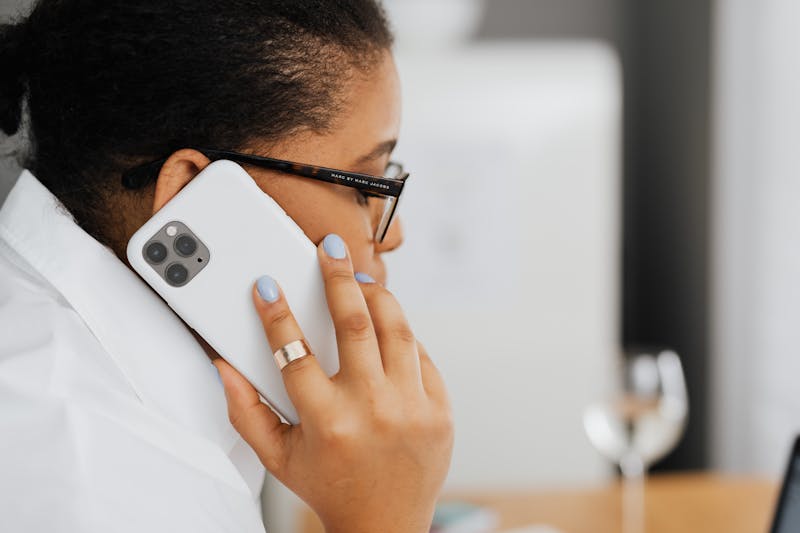
Receiving a call from a private number can often evoke a sense of intrigue and perhaps a dash of anxiety. “Who could it be?” you might wonder, your imagination racing with possibilities. Is it a long-lost friend, an unexpected admirer, or merely a telemarketer trying to peddle their wares? The anonymity of a private number presents a unique challenge, as it shrouds the caller’s identity beneath a veil of secrecy. Understanding what a private call signifies is essential in navigating modern telecommunications. Let’s delve into this topic and uncover the nuances surrounding private caller ID settings and their implications.
To begin with, it’s important to grasp what a private number actually entails. When a caller chooses to withhold their number, their identity is obscured, and they appear on your caller ID as “Private,” “Blocked,” or “Unknown.” This practice is often adopted for various reasons, ranging from privacy concerns to attempts at maintaining anonymity during sensitive conversations. It poses an interesting phenomenon: in a world where connectivity is paramount, the desire for discretion remains salient.
Now, let’s consider some situations wherein you might receive a call from a private number:
- Telemarketers and Scammers: While it’s not always the case, many telemarketers and scammers opt for private numbers to avoid detection. This tactic can be disconcerting, as it provides them with a layer of camouflage. They might not have your best interests at heart.
- Personal Contacts: A friend or family member may choose to call from a private number if they wish to discuss a sensitive matter without revealing their identity upfront. This could stem from a desire to maintain confidentiality or simply to surprise you.
- Professional Callers: Certain professionals, such as doctors or lawyers, might also use private numbers. They may do this to safeguard your privacy, ensuring that sensitive information remains protected during phone calls.
As intriguing as these scenarios may be, they raise some pressing questions. Should you answer a call from a private number? What if it’s something really important, yet you have no clue who is on the other end? The suspense can be nerve-wracking. To address this dilemma, let’s explore the features of call settings that can aid in your decision-making process.
The calibrated settings on your phone provide you with a set of tools to manage your incoming calls effectively. Most smartphones have options that allow users to control how private or blocked calls are handled:
- Silencing Unknown Callers: Many operating systems now offer features that allow you to silence calls from private numbers automatically. This means you can live your life undisturbed by incessant ringing from hidden identities while still remaining open to recognized contacts.
- Call Screening: Apps like Google Voice and others enable the screening of incoming calls, sending a pre-recorded message to unknown numbers. Only once a caller states their name will the call come through, reducing the likelihood of unwanted solicitations.
- Block Unknown Numbers: Should anonymity become too bothersome, most devices offer an option to block private numbers entirely. This feature can eliminate the surprises altogether, leaving no room for unsolicited interruptions.
Yet, the decision to block these calls entirely may not be without consequences. It’s a balancing act between protecting your peace and remaining open to potentially important communications. Often, people find themselves in a quandary—their curiosity piqued, yet their apprehension heightened by the uncertainty of a private caller. It’s a classic example of weighing the risk of engaging with the unknown against the comfort of containment.
Moreover, the implications of dread that accompany private calls are not to be overlooked. Consider the toll that the facade of anonymity can take on your peace of mind. With the rise of scam calls, apprehension can creep in, compelling you to screen calls indecisively. It’s essential to cultivate a strategy that allows you to discern between benign and malevolent intentions.
As we ponder the etiquette of interacting with private numbers, let’s not forget about the responsibility that comes with anonymity. While there is a legitimate need for discretion, this same anonymity can embolden unscrupulous actors. Understanding this duality can prompt introspection; how do we value privacy while ensuring that we respect others’ boundaries as well?
Should you decide to answer a private number, it’s wise to exercise caution. If the conversation turns suspicious, do not hesitate to disengage or ask pointed questions that press the caller for identification. Additionally, it can be beneficial to share concerns about privacy with friends and family, ensuring that everyone is cognizant of potential issues that come with private calling.
In conclusion, the intrigue surrounding private number calls represents a bifurcation of curiosity and caution. As technology progresses, so does the complexity of communication. Understanding call settings is crucial in deciphering the landscape of anonymity. The challenge lies in balancing connection and privacy, in recognizing the value of discretion while remaining vigilant against potential threats.
Next time the phone rings with an unidentified caller, the question lingers, “Will I answer it or let it go to voicemail?” It’s entirely up to you—embrace the adventure of the unknown or retreat to the safety of silence. Either way, arm yourself with knowledge, and choose wisely.











