
Have you ever pondered what it truly means when a phone is “locked” to a network like Straight Talk? This playful question can often lead to a maze of confusion, particularly for those navigating the vast ocean of mobile technology. When you find yourself staring at your smartphone, which ostensibly belongs to Straight Talk but seems bound by invisible chains, the challenge is clear: how do you unlock its full potential while comprehending the implications of this lock status?
In the digital age, having a phone that is compatible with various networks represents not only convenience but also a profound sense of freedom. However, the term “lock to Straight Talk” poses a unique conundrum for many users. To dissect the complexities surrounding this phrase, we must delve into several key aspects of phone network settings, the implications of being locked, and the possibilities that lie ahead for the tech-savvy consumer.
Understanding the Concept of Network Lock
At its core, a “network lock” is a feature employed by mobile carriers to ensure that a device can only operate on their network. When a phone is said to be locked to Straight Talk, it means that the device has been programmed to recognize only Straight Talk’s network signals and frequencies. This is often a measure taken by carriers to subsidize the cost of a phone and to make sure that customers remain within their ecosystem for a specified duration.
But why do carriers use this method? It is straightforward: maintaining customer loyalty and recovering the substantial costs incurred when a device is sold at a discounted rate. While this practice does help carriers in terms of revenue, it can indeed impose restrictions for the end user, who might wish to switch networks for improved service, pricing, or coverage.
Implications of Being Locked to Straight Talk
Being locked to Straight Talk comes with a series of implications that users must consider. First and foremost, the user experiences limitations in flexibility. If you desire to switch to a different carrier due to a superior plan or perhaps better reception in your area, your locked device becomes an immovable object. You’ll be forced to endure any frustrating network issues or vow to stick with Straight Talk until your service contract concludes, often leaving users feeling trapped.
Moreover, the intricacies involved in unlocking a phone can seem daunting. Each carrier has its own protocols surrounding this process. For instance, Straight Talk may outline specific eligibility rules a user must satisfy before considering an unlock. This could include holding onto the phone for a designated period or meeting a minimum payment requirement. If these criteria are not met, users might have to resort to third-party solutions that could compromise their device’s integrity or void warranties.
Unlocking Your Device: The Key to Freedom
For those feeling claustrophobic in their current network confinement, the unlocking process becomes essential. But how does one go about it? Generally speaking, it involves reaching out to Straight Talk’s customer service, supplying pertinent information such as your account details, and then patiently waiting for the unlocking code to be provided. However, to further complicate the matter, specific phones may have different requirements depending on their model and manufacturer.
This leads us to ponder: Is unlocking truly worth the hassle? For many, the answer is a resounding yes. An unlocked device opens the gateway to a world of diverse pricing options and plans, enabling users to switch carriers with the grace of a dancer. Additionally, the opportunity to travel internationally becomes substantially more enticing, as unlocked phones can often use local SIM cards, resulting in lower call and data rates.
Compatibility with Straight Talk APN Settings
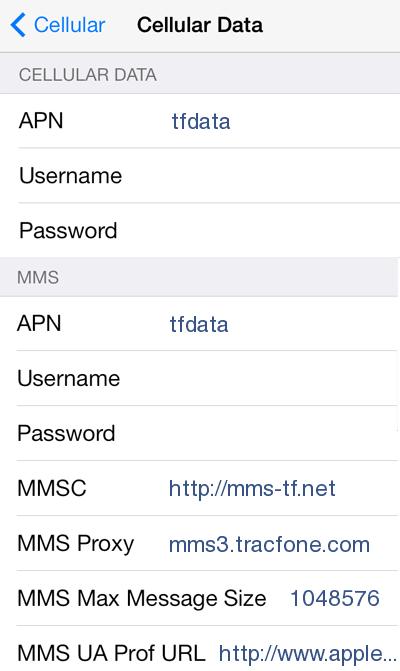
Another integral aspect of understanding what “lock to Straight Talk” entails is the relevance of APN settings. Access Point Names (APN) are critical configurations that allow your device to connect to the internet and use multimedia messaging services. If your phone is specifically locked to Straight Talk, it will typically default to use the APN settings applicable to this carrier. However, if you were to unlock the phone and transfer it to another network, you’ll need to update these settings to ensure seamless connectivity.
So, what’s the catch? There’s often a meticulous process involved in altering APN settings. Users must input the new configurations manually, which requires careful attention to detail. A simple typo can mean the difference between being connected and being stranded without service.
Considerations Before Making a Switch
Yet before you embark on this journey of unlocking and switching carriers, it’s crucial to consider several factors. First, weigh the pros and cons of your current plan against potential alternatives. Some users might find that planned promotions or discounts from Straight Talk can outweigh the advantages of changing networks.
Next, investigate if the devices themselves will perform adequately on the new network’s spectrum. Compatibility with the new carrier’s technology—be it GSM or CDMA—can radically impact the performance of your smartphone. If you find that the benefits of unlocking outweigh the potential pitfalls, then your decision to seek freedom is almost made for you.
In Conclusion
The phrase “lock to Straight Talk” embodies a narrative that transcends mere connectivity; it encapsulates the balance between consumer choice and corporate control. By understanding the implications of network locking, the potential for unlocking, and the essential nature of APN settings, you arm yourself with knowledge that can transform your mobile experience. Are you ready to take the leap into a world where your phone collaborates with any network you desire? This choice could reframe your digital journey in ways you’ve never imagined.











