
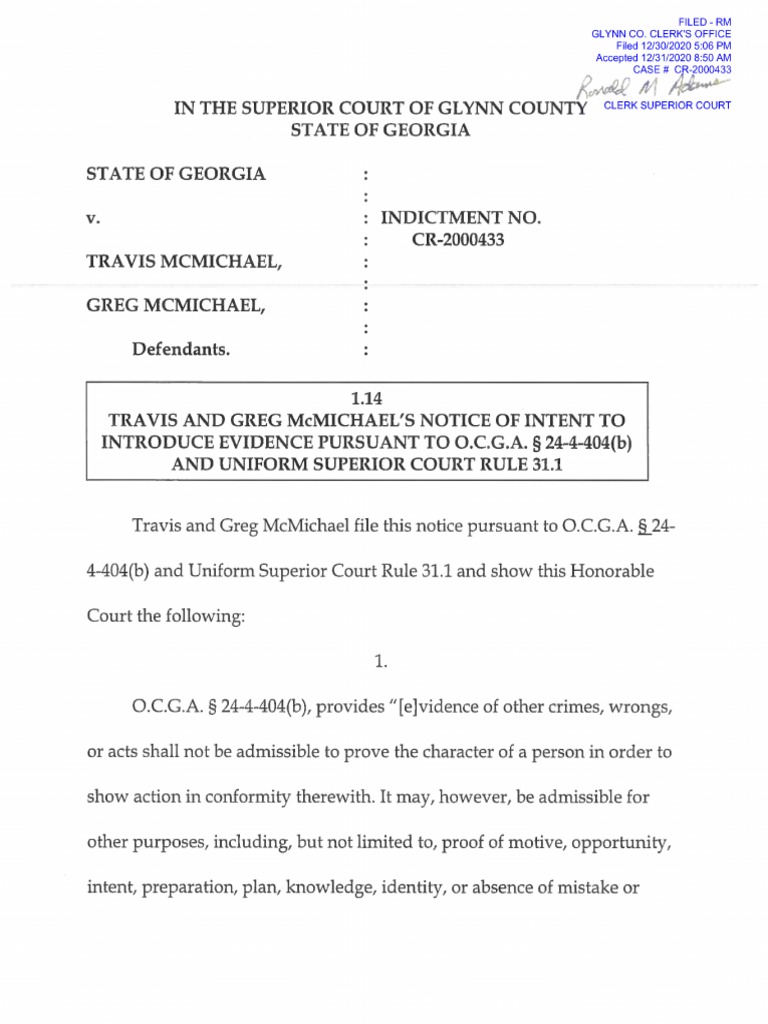
A Notice of Intent, a legal term frequently encountered across various domains, emerges is a critical document asserting the intention to take a particular action. Essentially, it declares a party’s objectives and often prescribes a timeline and the actions to be undertaken thereafter. Understanding the intricacies of a Notice of Intent requires delving into its contexts, applications, and implications. Let’s explore the nuanced landscape of this essential legal document.
1. Definition and Purpose
A Notice of Intent serves as a preliminary alert that a party may take specific actions, such as filing a lawsuit, withdrawing a contract, or pursuing administrative remedies. This document conveys the sender’s resolve unequivocally while often delineating the impending actions that may follow if the recipient fails to comply with certain stipulations.
Its essence operates on the principle of providing clarity and an opportunity for resolution before formal proceedings are initiated. By doing so, it can potentially foster amicable settlements and avert protracted legal battles.
2. Common Contexts of Use
In various domains, the application of a Notice of Intent manifests differently:
- Environmental Law: A Notice of Intent in this sphere usually pertains to the intent to begin a project that may affect a specified environment. This notice is often a prerequisite for regulatory compliance, enhancing transparency and accountability in environmental stewardship.
- Litigation: In the realm of litigation, aspiring plaintiffs may issue a Notice of Intent to file a lawsuit, alerting the opposing party of the forthcoming legal action. Such notices often lay out the grounds for the impending claim and can serve as a strategic instrument to encourage settlement discussions.
- Contractual Relationships: When parties to a contract contemplate withdrawal, a Notice of Intent indicating this intention is essential. It formally communicates the desire to disengage and frequently specifies the terms under which the withdrawal is justified.
3. Key Components of a Notice of Intent
While specific details may vary depending on the context, several fundamental components typically feature in a Notice of Intent:
- Clear Identification: The document should identify both the party sending the notice and the recipient succinctly. This may include contact information, addresses, and relevant identifiers to eliminate ambiguity.
- Intent Declaration: The core of the notice lies here. It should explicitly outline the sender’s intent, whether it pertains to litigation, environmental compliance, or contractual disengagement.
- Detailed Context: Providing background information helps those receiving the notice to comprehend the reasons behind the action. This contextualization is vital for fostering dialogue or understanding the necessity of compliance.
- Timeline: A Notice of Intent often stipulates a timeline, indicating when further actions will commence. This aspect can be pivotal in legal contexts where time-sensitive actions or responses are requisite.
- Consequences: It may also mention the potential repercussions if the recipient fails to take the necessary actions. This could entail outlining what specific legal actions may follow if compliance is not achieved.
4. Importance of Notices in Legal Strategy
A Notice of Intent is not just a bureaucratic formality; it is a strategic tool in legal proceedings. By defining the intended course of action, it provides the recipient with a chance to address grievances proactively. This potentially mitigates the necessity for litigation, allowing both parties to explore alternative paths toward resolution.
Moreover, issuing such a notice can fortify a legal position by demonstrating that the sender has undertaken reasonable efforts to resolve matters amicably before commencing formal action. This can be particularly advantageous in court, where judges often look favorably upon parties that exhibit good faith and diligence.
5. Potential Pitfalls and Considerations
While a Notice of Intent can be beneficial, certain pitfalls must be navigated with care. Inadvertently failing to adhere to required statutory formats or regulations can render the notice ineffective or even harmful to the sender’s position. Misstating the intent, providing inadequate details, or lacking specificity can invite unwarranted complications.
Additionally, the motivations behind sending a Notice of Intent must be genuine. Courts may scrutinize the parties’ actions closely, requiring a sincere basis for the notice to maintain integrity and uphold legal standards.
6. Conclusion
In summation, a Notice of Intent is a multifaceted instrument in the legal realm, serving patients well in both proactive and defensive strategies. By understanding its implications, components, and various contexts of use, individuals and organizations can wield this document to navigate complex legal landscapes more effectively. As such, a well-crafted Notice of Intent not only serves as a harbinger of forthcoming actions but as a foundation for dialogues that might cultivate constructive resolutions.












