Understanding R1 Zoning
In the intricate landscape of urban planning and real estate, zoning plays a pivotal role in distinguishing and regulating the permissible uses of land. Among the various zoning classifications, R1 zoning holds significant importance, particularly for residential development. This particular designation typically refers to low-density residential areas, aimed at fostering community-oriented environments. In this article, we will delve into the nuances of R1 zoning, exploring its implications, benefits, and the various regulations that govern this category of land use.
Definition of R1 Zoning
At its core, R1 zoning is designated for single-family residential properties. This classification is predominantly found in suburban and certain urban areas, where the intent is to establish a serene residential atmosphere. The parameters of R1 zoning typically allow for the construction of detached homes on lots that adhere to predetermined dimensional and density standards.
As municipalities craft their zoning ordinances, the guidelines for R1 zoning may vary considerably. However, common characteristics often include restrictions on multi-family dwellings, a requirement for a minimum lot size, and limitations pertaining to the height and footprint of buildings.
Lot Size Requirements
An essential aspect of R1 zoning is the stipulation of minimum lot sizes. Depending on the locality, these dimensions are defined to ensure adequate space for each dwelling, which fosters a sense of spaciousness and privacy among residents. Standard lot size requirements can range from as small as 5,000 square feet to over 10,000 square feet, but these figures can fluctuate based on municipal guidelines. The intent behind these standards is to dilute population density, thereby enhancing the quality of life for residents.
Permitted Uses Within R1 Zoning
The scope of permissible activities within R1-zoned areas is primarily geared towards residential use. Commonly accepted uses include:
- Single-Family Dwellings: The quintessential home structure that defines R1 zoning, typically consisting of one principal dwelling unit.
- Accessory Structures: These are auxiliary buildings such as garages, sheds, and pools, provided they do not exceed height and footprint limitations.
- Home Occupations: Certain small-scale business activities may be allowed as long as they do not disrupt the residential character or traffic patterns of the neighborhood.
Conversely, R1 zoning typically prohibits more intensive uses such as multi-family housing, commercial enterprises, industrial activities, and the operation of kennels or farms, thereby protecting the residential integrity of the area.
Height and Setback Regulations
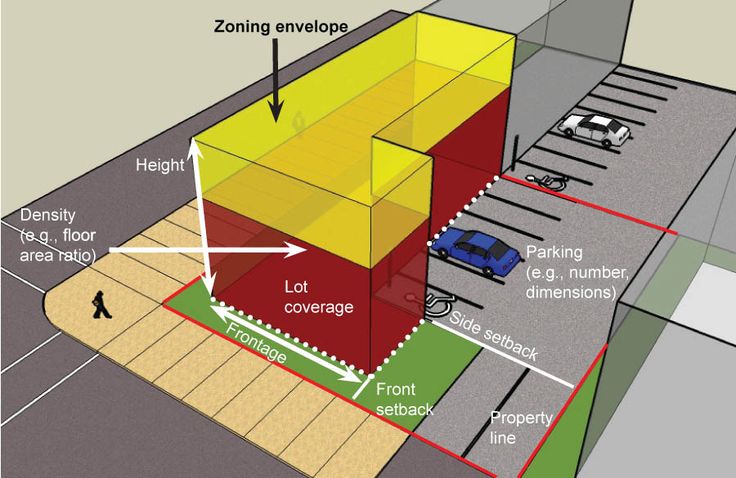
Regulations concerning the height and setbacks of structures are quintessential when discussing R1 zoning. These parameters not only preserve the aesthetic charm of neighborhoods but also mitigate potential nuisances. Typically, height restrictions might cap buildings at one or two stories, though this can differ based on local codes.
Setback regulations dictate the distance a building must be from property lines. This requirement serves to ensure that homes are not too closely situated to one another, enhancing privacy and allowing for sufficient landscaping or outdoor space. Front, side, and rear setback regulations vary, often ranging from 10 to 30 feet.
The Advantages of R1 Zoning
The benefits of R1 zoning extend well beyond compliance with regulations and ordinances. One of the most notable advantages is the promotion of a stable community environment. R1 zones are typically associated with quieter roads, decreased traffic, and an overall lower pace of life, making them ideal for families, retirees, and anyone seeking a peaceful residential lifestyle.
Moreover, R1 zoning can contribute to an increase in property values. The exclusivity of single-family homes tends to attract buyers who prioritize space and privacy, thus bolstering demand within these areas. Investors and homeowners alike may find R1-designated zones appealing for long-term asset appreciation.
Challenges and Considerations
Property owners in R1 zones should also be cognizant of local zoning amendments, as changes can sometimes be proposed to adapt to community needs and shifting demographics. Staying informed about potential zoning revisions is essential for maintaining the value and compliance of their properties.
Conclusion
In summary, R1 zoning represents a foundational element of residential planning, aiming to create inviting and harmonious neighborhoods suited for single-family living. While strict regulations guide R1 zones, providing much-needed structure, they also foster environments conducive to community interaction and stability. Understanding these zoning laws is crucial for homeowners, potential investors, and urban planners, ensuring that the values and needs of communities remain at the forefront of development discussions. As urban landscapes continue to evolve, awareness and adaptation to zoning regulations will remain a key component in shaping sustainable and livable communities.