
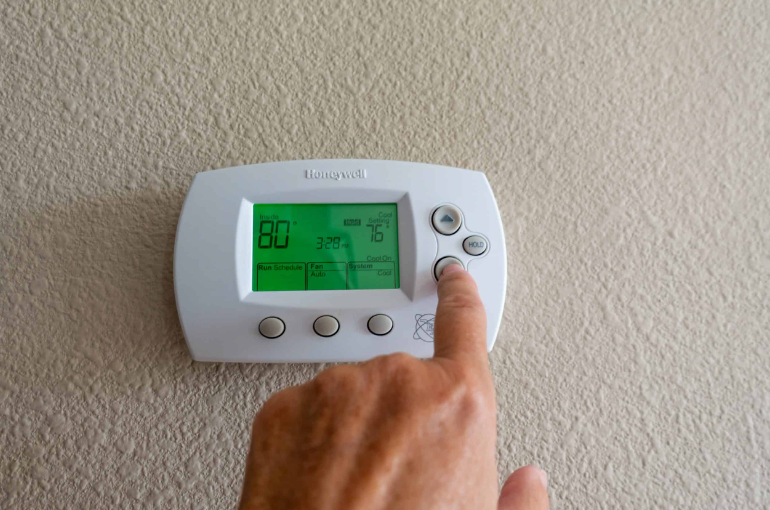
In the intricate tapestry of home comfort technology, the Honeywell thermostat stands as a guardian, adjusting the warmth of our winter evenings and the cool embrace of summer days. Within its circuitry lies a feature known as “Recovery,” a term which unfurls like the wings of a bird taking flight, beckoning homeowners to explore the realm of adaptive heating and cooling. Delving into the meaning of recovery on a Honeywell thermostat demands a closer examination of the art and science behind this captivating feature.
Understanding the Essence of Recovery
Recovery on a Honeywell thermostat refers to its ability to plan ahead, anticipatively adjusting the temperature to ensure that it reaches the desired level by a pre-set time. Imagine a swimmer poised at the edge of the pool, muscles coiled and ready. Just as the swimmer gains momentum before plunging into the water, the thermostat prepares for temperature changes before our arrival. This remarkable ability can transform a mere device into a veritable maestro of environmental comfort.
The Mechanism of Recovery: How It Works
As you delve deeper into the workings of recovery, it becomes clear that it operates in two primary modes: Smart Recovery and Manual Recovery. Think of these modes as differing paths on a diverging road, each leading to enhanced comfort but via unique methodologies.
1. Smart Recovery
Like an astute chess player, Smart Recovery calculates the most efficient path to reach your desired temperature. When a homeowner sets a schedule—say, a morning awakening at 7 AM—the thermostat begins to gently ramp up the heating or cooling well in advance. The clever algorithms built into the thermostat take into account not only the current temperature but also the length of time it takes to reach the target temperature. If the goal is to ensure your living room reaches a cozy 72°F by 7 AM, the thermostat might initiate its adjustments an hour earlier, savoring each increment of change as a painter might stroke their brush across a canvas.
2. Manual Recovery
On the other side of the spectrum lies Manual Recovery, a more straightforward approach. This feature allows homeowners to set a specific recovery time without the need for the thermostat to automatically calculate it. It is akin to a seasoned traveler intimately familiar with their routes and preferred stopping points, effortlessly mapping out their journey. For the user, it represents a sense of control, allowing them to dictate when the heating or cooling should begin, freeing the individual to schedule their lives without the constraint of preprogrammed assumptions.
The Benefits of Utilizing Recovery
So, why should one embrace the nuanced art of temperature recovery? This feature eliminates the discomfort of abrupt temperature shifts, allowing for a seamless transition in your home environment. When recovery is employed wisely, it minimizes energy waste while maximizing comfort, which is a duality rarely found in other household devices.
Consider the energy savings associated with the methodical approach of recovery. By preventing abrupt changes in temperature, the HVAC system can operate more efficiently. In times of rising energy costs and climate considerations, such efficiency transcends mere convenience—it evolves into a commitment to sustainability. Just as a well-tended garden flourishes with less water, a home benefiting from efficient temperature recovery thrives with less energy consumption, ultimately lightening the wallet and reducing the carbon footprint.
Customization: The Heart of Recovery Settings
The Honeywell thermostat harnesses the power of customization, allowing users to modify recovery settings to fit their rhythms of life. Much like a tailor crafting a bespoke suit, calibration offers the freedom to choose recovery times that align with personal schedules. Homeowners may opt for a gradual recovery, preserving energy while embracing comfort, or accelerate the recovery time for unexpected guests, a warm welcome in the blink of an eye.
Common Scenarios for Recovery Usage
Have you ever arrived home to a chilling residence after a long day at work? Here, recovery shines like a lighthouse guiding weary travelers home. Set to activate shortly before your arrival, it welcomes you with a cozy warmth, making you feel as though your home has been anticipating your return, like a loyal companion patiently awaiting your footsteps.
Conversely, imagine a weekend morning, sun filtering through the windows, and the decision to luxuriate in bed a little longer. Recovery ensures that your home adjusts itself to warmth without a jarring wake-up call, creating a gentle awakening in harmony with nature’s rhythm. Each scenario illustrates not just a potential for comfort, but a strategic maneuver to elevate everyday living through the insights of intelligent technology.
Conclusion: Recovery as a Lifestyle
The concept of recovery in a Honeywell thermostat transcends its technical definition, evolving into a lifestyle of convenience and sustainability. By granting control to the homeowner, it fosters a relationship between technology and personal needs, akin to the give-and-take of a symbiotic partnership. Embracing recovery settings not only promises a tailored experience but also invites peace of mind, knowing that comfort is one thoughtful decision away.
In a world that often feels chaotic and unpredictable, the Honeywell thermostat and its recovery feature remind us that comfort is an art form, waiting to be mastered through intentionality and awareness. Just as the seasons change, so too can our home environments transform into sanctuaries that reflect the warmth of our lives.












