
Amidst the digital revolution, where information travels faster than the speed of light and education transcends traditional boundaries, the concept of remotely proctored examinations has emerged as a beacon of integrity and convenience. Think of the online exam as an intricate dance, where technology leads and students follow, all while ensuring that the choreography remains flawless and honest. As we delve into the nuances of remotely proctored exams, we unravel not merely a method of assessment but a transformative shift in how we perceive and execute evaluation.
Understanding the Essence of Remotely Proctored Exams
To understand remotely proctored exams, envision a secure digital fortress, meticulously guarding the sanctity of academic integrity. The term ‘remotely proctored’ evokes an image of a sentinel: rarely seen but ever-watchful. In essence, this process involves students taking assessments from the comfort of their own homes while being monitored through sophisticated software that leans on artificial intelligence and webcam technology. It ensures adherence to examination protocols, warding off the specter of dishonesty.
The Mechanics of Remote Proctoring
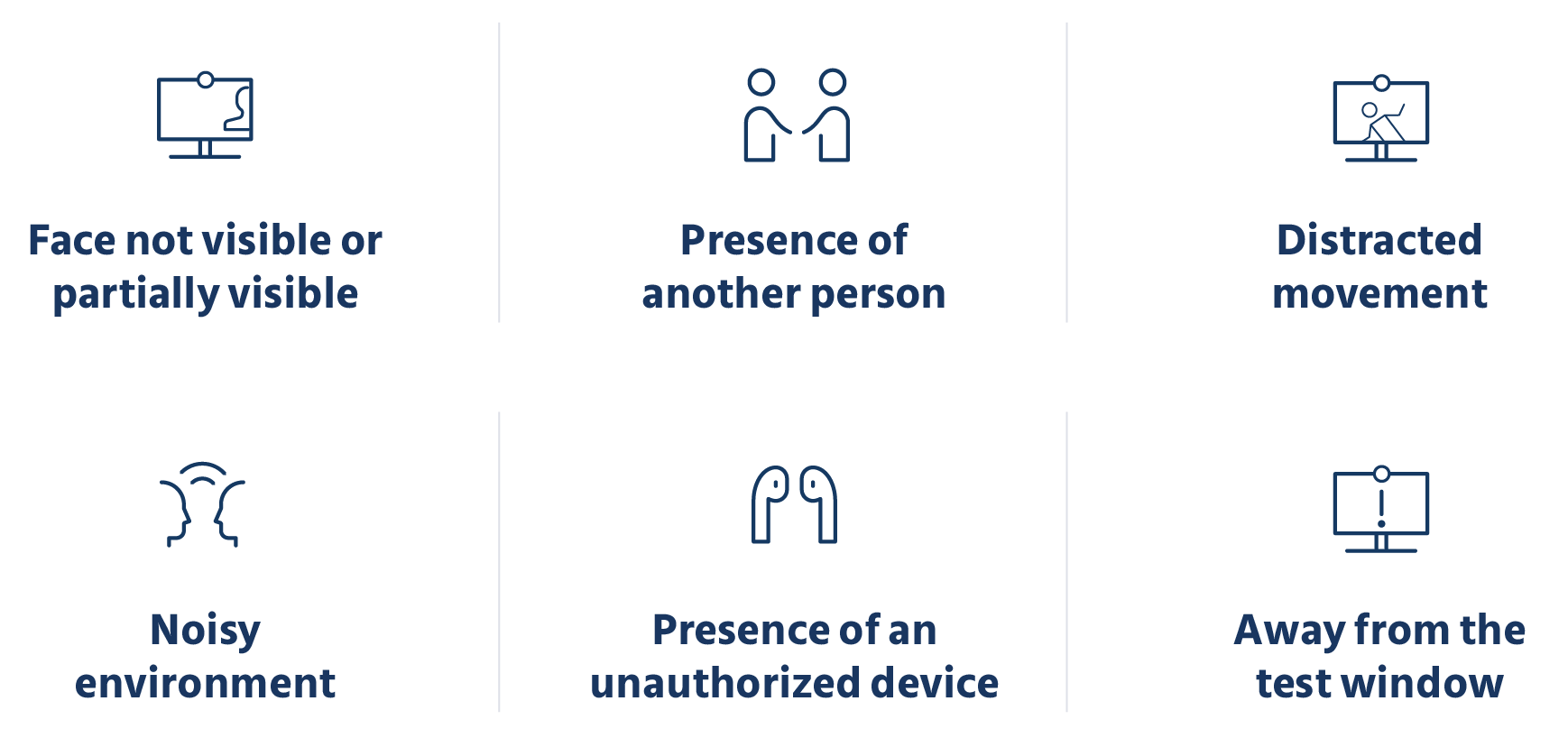
So, how does this complex machinery operate? There are several intricate components at play here. Firstly, candidates are often required to install a specific software application on their devices prior to the exam. This application acts as a digital overseer, capable of tracking eye movements, monitoring ambient noise, and even analyzing the candidate’s workspace for unauthorized materials. Just like a vigilant hawk surveying its territory, this technology ensures that the examination process remains fair and unbiased.
Moreover, the psychological aspect cannot be understated. The presence of virtual proctors—through live video feeds or pre-recorded monitoring—adds a layer of accountability. This is akin to the proverbial ‘overseeing eye’ that watches over a tightrope walker, instilling a sense of seriousness and responsibility in the test-taker. When students realize they are under scrutiny, the impulse to cheat often dissipates like mist under rising sunlight.
The Advantages of Remotely Proctored Exams
The rise of remote proctoring comes replete with its own set of advantages, akin to glimmering jewels set against a backdrop of convenience and accessibility. For one, it democratizes examination access. Students from remote areas, or those with physical disabilities, can now participate in assessments that were once out of reach, circumventing the limitations imposed by geography.
Furthermore, the flexibility offered by remotely proctored exams cannot be overstated. Students can schedule their examinations at times that align with their personal and professional commitments—an appealing option in our fast-paced, multifaceted lives. The asynchronous nature of remote exams mirrors the fluidity of contemporary learning, accommodating diverse lifestyles and preferences.
The Challenges and Controversies
Moreover, technical glitches can turn a seemingly flawless experience into a nightmare. Imagine a scenario where mid-exam, the connection falters or the software crashes—resulting in lost time, undue stress, and an unjust grading outcome. These issues propel discussions about the reliability of technology in high-stakes scenarios, leading to calls for robust backup systems and contingency measures.
Best Practices for Students
Moreover, creating an optimal testing environment is crucial. Just as a chef meticulously arranges ingredients on a countertop, students should set up a clutter-free workspace, devoid of distractions. The background noise must also be minimized, ensuring the proctor can focus solely on the examination proceedings without disruption.
Future Directions of Remote Proctoring
In conclusion, remotely proctored exams illustrate a compelling fusion of technology and education. They are not merely methods of assessment but represent a systemic evolution, enabling a more accessible, flexible, and secure approach to evaluation. As this landscape continues to evolve, one thing remains certain—education is on the brink of a transformation that will resonate far beyond the confines of traditional classrooms, shaping the future of learning in profound ways.












