
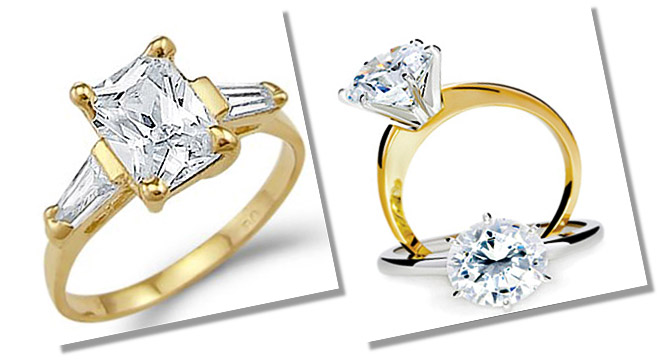
The allure of diamonds has captivated humanity for centuries, a fascination that not only signifies luxury but also encapsulates notions of love, commitment, and status. Yet, as the world evolves, so do our perspectives on gemstones. Enter the realm of simulated diamonds—an alternative that reflects beauty without the hefty price tag. This guide seeks to unravel what simulated diamonds are, offering an in-depth exploration of their qualities, varieties, and implications for the jewelry industry.
Understanding Simulated Diamonds
Simulated diamonds are not mere imitations; rather, they are crafted to emulate the physical and optical properties of natural diamonds. Composed of materials other than carbon, these stones present a striking resemblance to their natural counterparts. Yet, while they may dazzle with brilliance and fire, they diverge significantly in composition, origin, and their rarity. In the context of jewelry, it’s paramount to differentiate between natural diamonds, lab-created diamonds, and simulated diamonds. The uninitiated may conflate these terms, yet clarity on these distinctions is essential for making informed purchasing choices.
The Science Behind Simulation
At the heart of simulated diamonds lies a variety of materials designed to mimic the physical properties of diamonds. Commonly used simulants include cubic zirconia (CZ), moissanite, and synthetic white sapphires. Each of these materials possesses unique characteristics that contribute to their diamond-like appearance.
**Cubic Zirconia (CZ)** is perhaps the most recognized simulant. Created through a process that involves melting zirconium oxide with stabilizers, CZ gemstones exhibit a remarkable brilliance, often exceeding that of natural diamonds. However, they tend to lack the hardness of diamonds, ranking about 8-8.5 on the Mohs scale of mineral hardness compared to diamonds’ perfect 10.
**Moissanite**, discovered in 1893 by Henri Moissan, boasts a similar appearance to diamonds but has its own unique qualities. With a higher refractive index than diamonds, moissanites exude a fiery brilliance that can occasionally create a “rainbow effect.” This quality makes them irresistible to those who seek extraordinary sparkle. Additionally, moissanites are nearly as hard as diamonds, making them durable enough for everyday wear.
**Synthetic White Sapphires** offer another alternative. Although they lack the brilliance found in CZ and moissanite, their affordability and durability appeal to many consumers. Crafted in laboratories, these stones can serve as an elegant substitute for diamonds without mimicking their fire or scintillation.
Jewelry Quality Metrics
When scrutinizing simulated diamonds for their quality, several metrics come into play, paralleling those used for natural diamonds. These include cut, color, clarity, and carat weight—often referred to as the “Four Cs.” Understanding these factors is indispensable when assessing the overall aesthetic appeal and value of a simulated diamond.
The **cut** of a simulated diamond significantly influences its brilliance and sparkle. Expertly crafted cuts harness and reflect light effectively, allowing the stone to dazzle with vibrancy. Knowledgeable jewelers recognize that while the raw material may mimic diamonds, the cut is paramount in achieving visually stunning results.
**Color** is equally essential. Diamonds come in a plethora of hues, but most high-quality diamonds exhibit a transparent, colorless appearance. Simulated diamonds can vary widely in color; certain materials might present a cooler, clearer aesthetic, while others may display warmth that may not align with the traditional diamond image.
**Clarity**, which refers to the presence of inclusions and blemishes in gemstones, also applies to simulated diamonds. Though most simulants are synthesized in lab environments, which minimizes imperfections, examining clarity remains vital as it affects the overall visual quality.
**Carat weight** indicates the size of the gemstone, an obvious factor when considering both aesthetic appeal and market value. Larger stones often command higher prices, regardless of whether they are natural diamonds or simulated versions. However, with simulated diamonds, one can achieve grandeur without the prohibitive costs associated with their natural counterparts.
Why Choose Simulated Diamonds?
As societal values shift towards sustainability and responsible consumption, many consumers are contemplating the ethical implications of their jewelry choices. Natural diamonds, while beautiful, often bear a contentious reputation due to their associations with environmental degradation and unethical mining practices. Simulated diamonds present a compelling alternative, encouraging consumers to prioritize ethical aesthetics without compromising on quality.
Moreover, simulated diamonds come at a fraction of the price of their natural counterparts, allowing individuals to acquire larger, more ornate pieces and diverse collections without financial strain. The affordability factor makes them particularly appealing for engagements or significant life milestones where budget constraints may prevail.
In Conclusion
Simulated diamonds encapsulate a fascinating intersection of innovation and tradition in the world of jewelry. They offer an extraordinary opportunity for consumers to embrace elegance and splendor while challenging conventional notions of luxury. Whether opting for cubic zirconia, moissanite, or synthetic white sapphires, the choice reflects a modern approach to gemology that transcends mere aesthetics. As the lines between natural and simulated gemstones blur, one finds that true beauty lies not just in the stone but also in the values it represents.












