
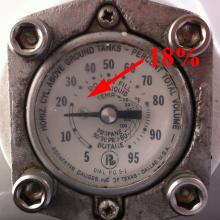
The propane tank gauge is a small yet significant feature that plays a vital role in ensuring the optimal functionality of your propane system. Understanding how to interpret this gauge can enhance your experience, whether you’re using propane for heating, cooking, or other purposes. Let’s delve into what the gauge on a propane tank truly signifies, shedding light on the various levels of readings and their implications.
First and foremost, it’s essential to comprehend the basic mechanics of a propane tank gauge. Typically marked with a dial that ranges from empty to full, this visual indicator uses a pressure system to inform the user of the remaining propane volume. When the tank is filled, it registers close to 80% on the gauge, which accounts for safety concerns; propane expands with temperature changes, requiring space for vapor. The amount remaining in the tank is crucial not just for convenience but also for safety—the last thing you want is to run out of gas in the middle of a winter night.
### Understanding the Gauge Readings
The readings on your propane tank gauge will generally fall into several categories, each representing a different level of fuel availability.
1. Full (80% or higher)
When your gauge indicates full, it means that your tank has been filled to around 80% capacity. Safety regulations stipulate this limit to allow for the gas’s expansion. At this level, you can rest assured knowing you have ample fuel supply for your appliances.
2. Three-Quarters Full (60%-79%)
Seeing the needle point toward the three-quarters mark means that about 60% to 79% of your tank is still filled with propane. This level provides a comfortable buffer for regular household use. Tasks including cooking and home heating can be completed without immediate concern for depletion.
3. Half Full (40%-59%)
When the gauge dips to half full, it serves as a gentle reminder that your propane supply is dwindling. While there’s still a considerable amount left for day-to-day use, it’s wise to consider refilling soon to prevent any unforeseen disruptions.
4. One-Quarter Full (20%-39%)
This stage may start to incite concern, as only 20% to 39% of propane is left. Appliances reliant on this fuel may begin to exhibit decreased performance. It’s advisable to schedule a refill promptly to avoid running out unexpectedly, especially if colder months loom.
5. Empty (0%-19%)
Reaching the empty section on the gauge is a moment of no return; only 0% to 19% of the tank remains. This level signifies imminent depletion of propane, demanding immediate attention. Running appliances at this stage can lead to inefficient operation or complete shutdown, resulting in inconvenience.
### The Importance of Regular Monitoring
To facilitate a seamless interaction with your propane system, developing a habit of regularly checking the gauge can be beneficial. Propane usage can fluctuate based on seasons, appliances, and even the number of users. Monitoring the gauge not only prevents unexpected shortages but also enhances safety measures.
Furthermore, a working gauge contributes to budget planning. By knowing how much propane you have left, you can forecast your fuel expenses and set a more manageable refilling schedule.
### Common Misconceptions about Propane Gauges
There are several myths circulating about propane tank gauges that can mislead users. One common misconception is that a full gauge means you can use it indefinitely. As discussed, the 80% mark accommodates safety measures and volatile expansion, so it’s not indicative of complete fuel freedom. Additionally, many believe that they can accurately judge propane levels without a gauge. This precarious approach often leads to surprises and disruptions.
Another prevalent error is the assumption that you should always re-fill when the gauge hits empty. While it’s a prudent practice to refill before reaching critical levels, some may wait too long, risking appliance efficiency and reliability. Striking a balance between usage and re-fueling brings peace of mind.
### The Consequences of Ignoring the Gauge
Ignoring the gauge can lead to a botched cooking session or even more severe safety hazards. An empty tank can affect the stability of flame in cooking systems or hinder heating during cold spells. Moreover, running appliances on low propane may cause damage, necessitating costly repairs.
### Conclusion
Understanding your propane tank gauge unlocks a wealth of knowledge that can enhance your experience with this versatile fuel source. By familiarizing yourself with its readings, consequences, and the importance of regular monitoring, you equip yourself with the expertise to anticipate your propane needs.
After mastering the nuances of your propane tank gauge, you may find not only increased efficiency but also a new appreciation for the details that keep your home running smoothly. Next time you glance at your gauge, you’ll view it with new perspective—a small yet mighty window into the health of your heating and cooking systems.












