
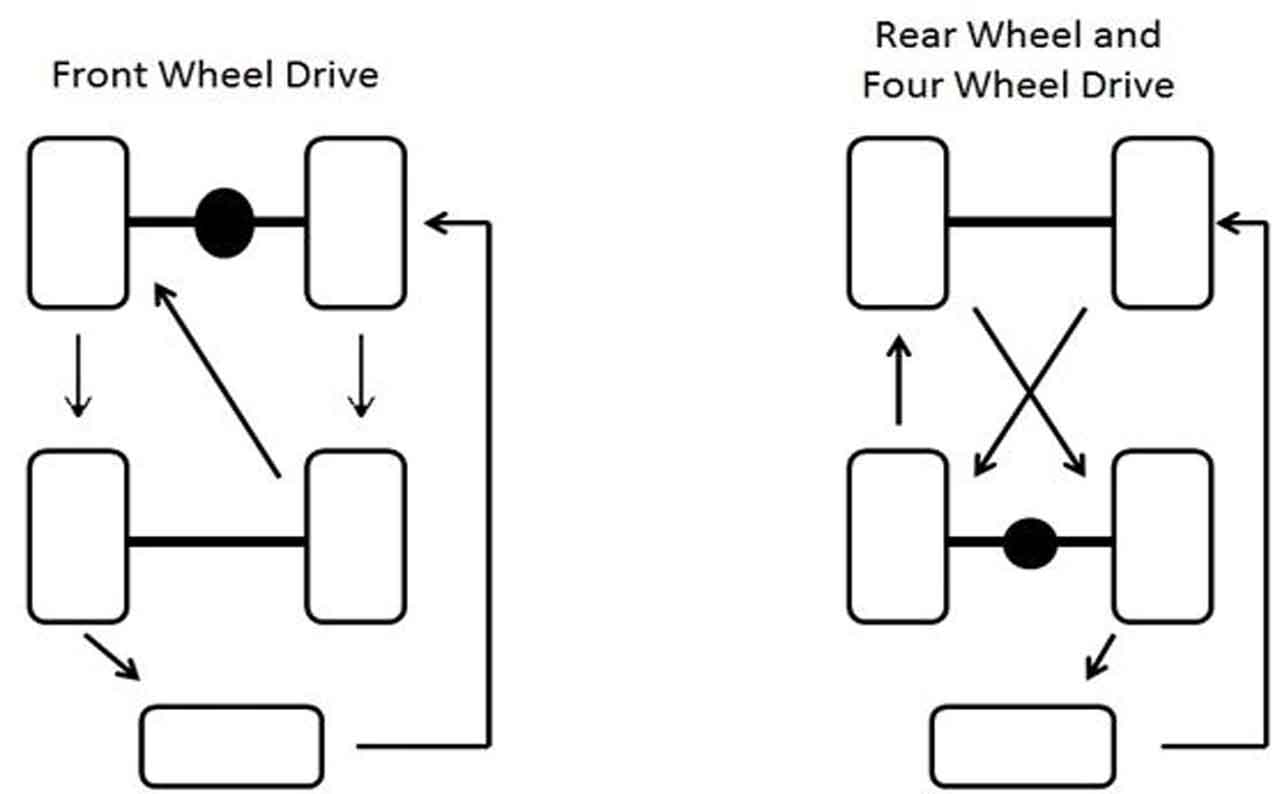
The concept of tire rotation may sound pedestrian at first, but it harbors immense significance for the longevity and performance of your vehicle. This seemingly routine maintenance task is not merely a suggestion; it is crucial for ensuring safety, enhancing efficiency, and prolonging the life of your tires. In this exploration, we shall delve into what tire rotation entails, its multifaceted benefits, and why neglecting it could lead to unforeseen consequences.
Understanding Tire Rotation
Tire rotation refers to the systematic changing of each tire’s position on a vehicle—this can include repositioning the tires in various configurations. Typically performed every 5,000 to 8,000 miles, depending on the vehicle and tire type, tire rotation assists in regulating wear patterns that naturally occur as tires perform their duties on differing axle positions. The front tires, for instance, endure more strain during braking and cornering, leading to uneven wear compared to rear tires.
While the specific rotation pattern employed can vary based on a variety of factors—from whether the vehicle is all-wheel drive (AWD) to the tire’s tread design—certain patterns such as the “cross” and “side-to-side” rotations are commonly utilized. Understanding the appropriate method for your vehicle can establish a foundation for optimal tire health.
The Importance of Tire Rotation
Now, one might ponder: why does tire rotation matter so profoundly? The answer lies in its myriad advantages that transcend mere tire longevity.
1. Enhancing Tire Longevity
The most evident benefit of regular tire rotation is the significant extension of tire lifespan. Uneven wear can lead to premature bald spots, affecting traction and necessitating costly replacements. By rotating tires regularly, you promote uniform wear, thereby maximizing their usability. This can translate to substantial savings over time, keeping your finance intact.
2. Ensuring Optimal Traction
A vehicle’s tires are its only contact with the road, making their condition paramount for safety. Worn tires can compromise grip, especially under adverse weather conditions. By rotating your tires, you ensure that they maintain optimal tread depth across all positions. Good traction is integral for effective braking and control, transforming an ordinary drive into a secure passage through various terrains.
3. Enhancing Fuel Efficiency
Another compelling reason to adhere to a proactive tire rotation schedule is its effect on fuel efficiency. Tires that suffer from uneven wear create drag, which can lead to decreased fuel economy. By maintaining balanced tires through rotation, your vehicle can operate more efficiently, offering a smoother ride and, in turn, saving you money at the pump. The cumulative effect of improved handling and reduced resistance can culminate in impressive long-term savings.
4. Promoting a Balanced and Safe Ride
Have you ever experienced vibrations or uneasiness while driving? These discomforts can stem from unevenly worn tires. Regular tire rotation mitigates this problem, contributing to a more balanced ride, both in feel and handling. A well-rotated set of tires provides stability and confidence, allowing the driver to navigate confidently across diverse driving conditions.
5. Preventing Early Deterioration of Suspension Components
It may come as a revelation, but tire rotation factors into the health of your vehicle’s suspension system. Unevenly worn tires can impose undue strain on suspension components, potentially leading to faster deterioration or misalignment issues. By combating uneven wear through rotation, you contribute to the overall harmony of your vehicle’s mechanical systems, enabling them to operate efficiently.
Navigating the Rotation Process
Deciding to rotate your tires is merely the first step. The actual process can vary based on the type of vehicle and tire configuration. The most common rotation patterns include:
- Forward Cross: Used primarily in front-wheel drive vehicles, this rotation involves moving the front tires to the back on the same side, and crossing the back tires to the front.
- Cross Rotation: Suitable for vehicles with directional tires, this pattern involves moving tires diagonally across the vehicle.
- Side-to-Side: This approach is often employed for vehicles with non-directional tires; it simply switches tires from left to right.
Consulting your vehicle’s manufacturer specification can guide you in selecting the appropriate method. Routine inspections alongside tire rotations are equally essential, enabling you to catch issues before they escalate.
Conclusion: The Future of Your Tires
In summary, tire rotation is an essential practice that transcends the notion of mere maintenance. It is a proactive step towards ensuring the health and longevity of your vehicle. By investing in this often-overlooked task, you usher in a plethora of benefits—from enhancing safety and fuel efficiency to conserving financial expenditures on premature tire replacements. Embrace the routine, and your tires will thank you with a journey marked by safety, comfort, and remarkable performance.












