
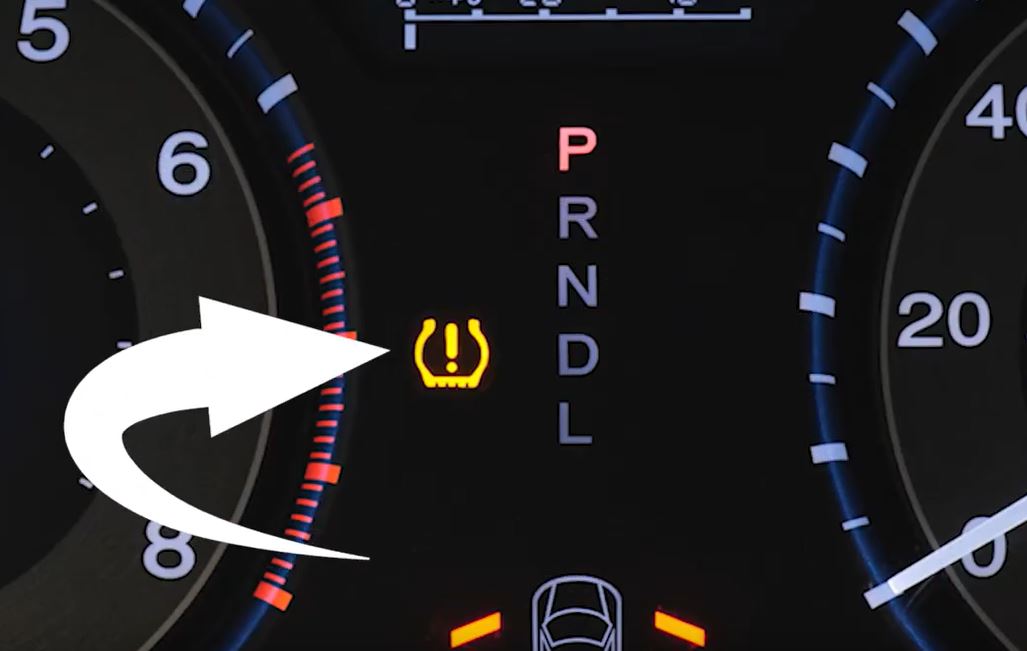
Tire Pressure Monitoring Systems, commonly abbreviated as TPMS, represent a crucial innovation in automotive safety and efficiency. These sophisticated systems are designed to monitor the inflation levels of a vehicle’s tires, triggering alerts when pressure deviates from the manufacturer’s specifications. Understanding TPMS not only enhances safety but also contributes to the longevity of tires and overall vehicle performance. Delving into the intricacies of TPMS, we can uncover the multiple facets of this pivotal automotive technology.
1. The Mechanics of TPMS
A TPMS operates through two primary configurations: direct and indirect systems. The direct TPMS employs pressure sensors within each tire, providing precise, real-time data directly to the vehicle’s onboard computer. These sensors transmit signals that indicate whether the tire pressure is within the acceptable range.
Conversely, the indirect TPMS does not use pressure sensors. Instead, it relies on the vehicle’s anti-lock braking system (ABS) to monitor tire rotations. If a tire is under-inflated, its rotation speed differs from properly inflated tires, prompting the system to issue a warning. While this method may not deliver real-time pressure readings, it serves as a crucial backup when sensors fail.
2. Benefits of TPMS
Integrating TPMS into modern vehicles presents myriad advantages. Firstly, it actively enhances safety. Under-inflated tires can lead to dramatically increased stopping distances, decreased vehicle handling, and a higher likelihood of blowouts. By alerting the driver to these discrepancies, TPMS helps mitigate potential hazards.
Additionally, the economic aspect cannot be overlooked. Properly inflated tires improve fuel efficiency, as under-inflation can cause increased rolling resistance, requiring more energy to propel the vehicle. Therefore, maintaining the correct tire pressure can lead to substantial savings at the pump.
Moreover, routine checks prompted by TPMS can prolong tire lifespan. Over time, improperly inflated tires may lead to uneven wear, resulting in early replacement. By ensuring optimal pressure levels, drivers can maximize the operational life of their tires, leading to better investment returns.
3. The Significance of TPMS Alerts
The primary function of TPMS includes both visual and auditory cues to inform drivers when tire pressure is below the recommended level. The various alerts can range from a simple warning light on the dashboard to more sophisticated notifications that provide specific tire pressure readings. When the TPMS light illuminates, it typically signifies that at least one tire is significantly under-inflated, prompting immediate attention.
Understanding the different alerts is imperative for driver awareness. A steady TPMS light usually indicates a gradual loss of pressure, while a flashing light may suggest a more urgent issue, such as a severe under-inflation or a malfunctioning system. Recognizing these cues can mean the difference between a minor inconvenience and a serious automotive issue.
4. Troubleshooting TPMS Issues
Despite their sophistication, TPMS can encounter various issues. Drivers may sometimes experience a TPMS light without an apparent reason, which can stem from a range of factors including temperature fluctuations or tire rotations. Seasonal changes can significantly affect tire pressure; for every 10-degree Fahrenheit drop in temperature, tire pressure can decrease by about one PSI (pound per square inch).
Additionally, if the TPMS light persists even after correcting tire pressure, it may indicate a malfunctioning sensor or other system errors. In such cases, drivers are encouraged to consult a professional technician for diagnosis and repair.
5. Importance of Regular Maintenance
To ensure the efficacy of TPMS, regular maintenance is vital. This includes routine tire pressure checks, particularly as seasons change or before embarking on long journeys. Incorporating these checks into regular vehicle maintenance can prevent the onset of potential issues.
Moreover, educating oneself about tire pressure specifications and understanding how to use TPMS features can empower drivers. Many vehicles come equipped with user manuals that detail TPMS functionalities, and familiarizing oneself with these resources can enhance the overall driving experience.
6. The Future of TPMS Technology
The evolution of TPMS technology is rapidly advancing. Emerging innovations are integrating more sophisticated sensors and connectivity features, allowing for enhanced monitoring through smartphone apps or onboard diagnostics. Future systems may even predict potential tire issues based on driving habits and conditions, further improving safety and performance.
This integration of technology extends beyond mere pressure readings; it may involve predictive analytics for tire wear and performance forecasts based on historical data. Such advancements signify a future where vehicle safety features become even more intelligent and proactive.
Conclusion
Understanding TPMS and its implications is fundamental for any car owner. From enhancing safety to encouraging economic savings, TPMS plays a pivotal role in modern automotive engineering. As vehicles become more advanced, staying informed about these systems not only ensures optimal vehicle performance but also contributes significantly to overall road safety. A well-maintained TPMS is a testament to responsible driving and vehicle care. Therefore, take time to familiarize yourself with this technology and embrace the peace of mind it brings to every journey.












