
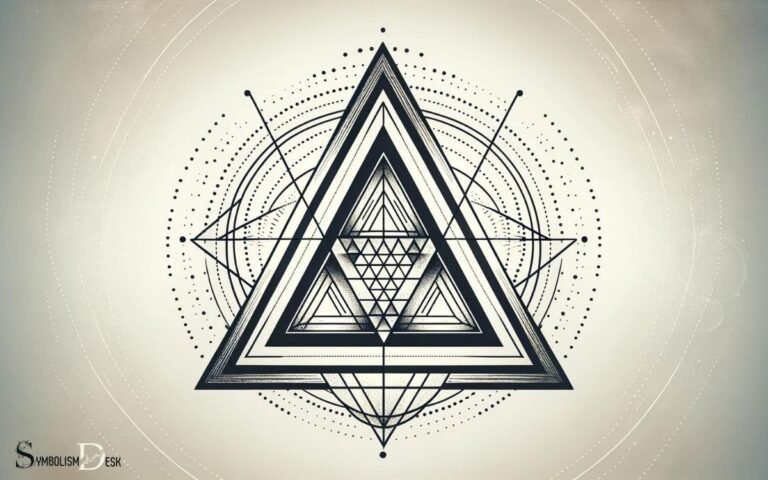
Triangle tattoos have grown in popularity, resonating with diverse groups due to the profound symbolism embedded within this geometric shape. The triangle, a simple yet profound figure, encapsulates a panorama of meanings that transcend cultures and philosophies. This article delves into the multifaceted symbolism of triangle tattoos, illuminating their diverse interpretations across various contexts.
One of the primary meanings associated with the triangle is harmony. Triangles are known as symbols of balance, representing the equilibrium sacred to many philosophies. The equal sides of an equilateral triangle can be seen as a symbol of balance in life—emotionally, spiritually, and physically. For those seeking a tattoo that acts as a reminder of the importance of harmony within their lives, a triangle serves as a perfect emblem.
Moreover, in geometric terms, triangles represent strength and stability. This resilience arises from their three sides, which effectively maintain equilibrium and support under pressure. In the realm of tattoos, a triangle can signify a person’s ability to withstand the vicissitudes of life, serving as a badge of honor that symbolizes personal strength and fortitude. Such a tattoo can resonate powerfully with individuals who have surmounted significant challenges or who strive to embody resilience in everyday life.
Among spiritual traditions, the triangle has unique meaning as well. In many belief systems, the triangle represents the triad—often manifesting as concepts such as mind, body, and spirit or elements like earth, water, and fire. Thus, opting for a triangle tattoo can signify a holistic approach to one’s existence, as well as a balancing act between these crucial elements of life. For practitioners of spirituality, this tattoo can embody a personal commitment to finding equilibrium among these essential aspects.
Another important interpretation of triangle tattoos pertains to the concept of transformation. In the world of alchemy, the triangle is often seen as a symbol of change, arising from the fluid interplay of its vertices. Metaphorically speaking, this can reflect an individual’s journey through transformative life experiences or personal growth. Therefore, one might choose a triangle tattoo to commemorate the stages of metamorphosis that have shaped their identity over time.
In various religions, triangles carry particular significance as well. In Christianity, the triangle symbolizes the Holy Trinity—Father, Son, and Holy Spirit—emphasizing the interconnectedness of these divine manifestations. Similarly, in Hinduism, the triangle represents the spiritual ascent from the physical to the divine, illustrating the journey toward moksha (liberation). In this context, wearing a triangle tattoo can symbolize an individual’s faith, belief systems, or spiritual journey.
Additionally, the triangle has garnered attention as a symbol of femininity in certain cultural contexts. The upward-pointing triangle is frequently associated with masculinity, while the downward-facing triangle is linked to femininity and maternal energy. This dual symbolism can resonate deeply with individuals embracing their femininity, representing attributes such as intuition, nurturing, and creativity. As such, a triangle tattoo can be a powerful declaration of one’s identity and self-acceptance.
Furthermore, triangles can encapsulate personal significance tied to relationships. Many individuals opt for triangle tattoos to represent significant triads in their lives, such as family members, friends, or life partners. An interlocking triangle design can emphasize the strength and interdependence of these relationships. This can serve as a visual reminder of the connections that support and sustain one through life’s challenges.
When considering the artistic elements of a triangle tattoo, the design possibilities are vast and versatile. Triangle tattoos can be configured in myriad styles, from minimalist outlines to intricate geometric designs, and even as part of larger compositions featuring other symbols. For instance, a triangle can serve as the foundational shape in a mandala, illustrating harmony and the cyclical nature of life in a larger context. Such designs often invite deeper reflection and contribute to the aesthetic appeal of the tattoo.
In addition, colors play a vital role in expressing the tattoo’s meaning. For example, a black triangle could emphasize the strength and resilience associated with the shape, while softer pastels might invoke a sense of nurturing and gentleness. Similarly, incorporating color gradients can signify the transition from one life phase to another, highlighting personal growth and evolution.
The cultural significance of triangle tattoos extends globally. In some Native American cultures, for instance, triangles are sacred symbols representing the three cardinal realms of winding life paths: the physical, spiritual, and emotional. This view enriches the meaning of a triangle tattoo, transforming it into a potent symbol of interconnectedness across all realms of existence.
Ultimately, the allure of triangle tattoos is underscored by their capacity to convey deep personal and universal meanings. Whether representing balance, strength, or various spiritual interpretations, triangle tattoos offer insights into the wearer’s philosophy and personal journey. Therefore, for those contemplating this tattoo, it is essential to consider the depth of symbolism it carries, making the choice one of both aesthetic appeal and profound meaning.
As the world evolves, so too does the interpretation of symbols like the triangle. In modern tattoo culture, these designs continue to invite innovation, ensuring their significance remains relevant. An individual’s choice to wear a triangle tattoo represents not only an artful decision but also an embrace of the profound perspectives that this humble shape can embody.












