
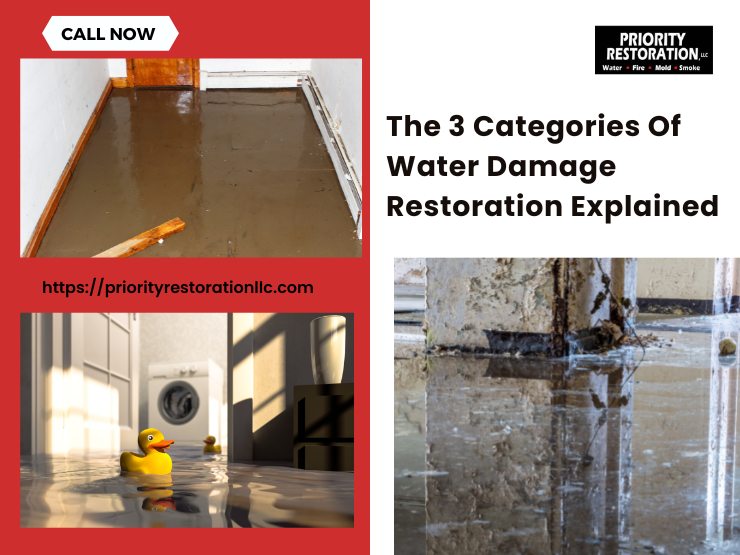
Water restoration is a multifaceted process that involves not only the remediation of flood-damaged structures but also the intricate dynamics of repairing and reviving environments affected by moisture. Floods are arguably one of Mother Nature’s most formidable forces, and understanding the phenomenon of water damage restoration requires a deeper dive into the various dimensions it encompasses. This article seeks to unravel the complexities surrounding water restoration, offering insights into the processes, methodologies, and emotional landscapes entwined with recovery.
At its core, water restoration refers to the systematic approach to restoring affected properties to a pre-loss condition. This is achieved through a meticulous combination of extraction, drying, and decontamination processes designed to eliminate standing water and moisture that could lead to further degradation or health hazards. Yet, beneath this seemingly straightforward definition lies a rich tapestry of techniques and strategies, shaped by the uniqueness of each damage scenario.
Understanding the Categories of Water Damage
Water damage does not come in a one-size-fits-all package. It is generally categorized into three distinct types, each requiring unique approaches for effective restoration.
- Category 1 – Clean Water: This type encompasses water that originates from a clean source, such as a broken pipe or a malfunctioning appliance. While it presents the least threat, timely intervention is critical to prevent it from escalating into more hazardous forms.
- Category 2 – Grey Water: Grey water refers to water that has been contaminated, often from sources like washing machines or dishwashers. Although it is not immediately harmful, it poses health risks if not addressed swiftly.
- Category 3 – Black Water: This category is the most severe, as it involves water contaminated by harmful pathogens, typically from sewage or floodwaters. Black water requires rigorous remediation efforts, including specialized equipment and protective gear for technicians.
By classifying water damage, restoration professionals can formulate tailored strategies that address the specific type of contamination involved. Each category necessitates not only physical repairs but also the application of specialized chemical treatments, drying techniques, and thorough assessments.
The Water Restoration Process Explained
Engaging in water restoration follows a methodical process comprising five integral steps:
- Inspection and Assessment: Once water damage occurs, the first step is a detailed inspection to ascertain the extent of the damage. Professionals use advanced equipment like moisture meters and thermal imaging cameras to detect hidden moisture and evaluate the level of affected areas.
- Water Extraction: Following assessment, the immediate priority is the removal of standing water. Sump pumps and industrial vacuums are often employed to expedite the extraction process, thereby mitigating the risk of mold growth.
- Drying and Dehumidification: Even after visible water removal, moisture can linger in walls, flooring, and furniture. Specialized fans and dehumidifiers play a crucial role in creating an environment conducive to rapid evaporation, targeting both the surfaces and the air.
- Cleaning and Sanitization: Water, especially from contaminated sources, can leave behind harmful bacteria. Thorough cleaning and sanitization ensure that surfaces are safe for inhabitants and that any hazardous microorganisms are eradicated.
- Repair and Restoration: The final step covers repairs to the structure, including restoration of drywall, flooring, and other elements that may have been compromised. This phase may also involve repainting and replacing damaged fixtures or furniture.
Each step in this restoration protocol is critical for ensuring a seamless transition back to normalcy. It is crucial to appreciate that time is of the essence; the faster the response, the better the outcome in mitigating permanent damage.
The Emotional and Psychological Aspects of Water Damage Recovery
While the focus of water restoration often highlights physical reparations, one cannot overlook the emotional upheaval that accompanies flooding and water damage. Home is where memories are forged, and when that space is threatened, it can elicit feelings of vulnerability and distress. Families often find themselves in sudden disarray, grappling with the inconveniences and fears associated with loss and instability.
Many restoration companies offer support beyond physical repairs, providing guidance, resources, and emotional support as affected individuals navigate their recovery journey. This sympathetic approach not only aids in the reconstruction of their homes but also fosters resilience within the community. Such support can prove instrumental in restoring peace of mind, which is equally as vital as restoring one’s physical surroundings.
Preventative Measures and Future Planning
As with most challenges, prevention is the best strategy. While the nature of flooding may be unpredictable, proactive measures can significantly reduce the likelihood and severity of water damage. Property owners should consider regular inspections, the maintenance of plumbing systems, and effective drainage solutions to minimize vulnerability to floods.
Additionally, investing in sump pumps and flood barriers can further safeguard homes against water intrusion. Educating oneself on the risks associated with water damage can empower homeowners to act decisively when faced with potential threats.
Water restoration is a complex field that requires not only technical expertise but also emotional sensitivity. Understanding its intricacies allows homeowners to navigate the labyrinth of recovery with clarity and assurance. By shifting perspectives on water damage—from viewing it solely as a catastrophe to recognizing it as a challenge to be addressed tangibly and sensitively—individuals can emerge from their experiences with newfound resilience and preparedness.











