
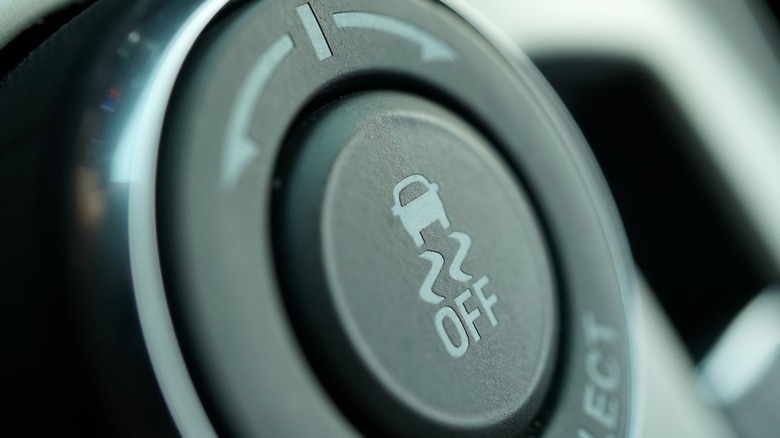
When navigating the labyrinth of automotive technology, understanding traction control systems becomes pivotal for both driving enthusiasts and everyday commuters. Traction control is an ingenious feature designed to enhance a vehicle’s safety and performance; however, it can also spark confusion, particularly when an indicator like “TRAC OFF” blinks on your dashboard. Here, we delve into the intricacies of traction control, decipher what “TRAC OFF” signifies, and examine when it’s appropriate to disable this vital system.
Understanding Traction Control Systems
At its core, traction control is an electronic system that helps to maximize traction while driving, primarily in slippery or uneven conditions. By monitoring wheel speeds, traction control works in tandem with other systems such as anti-lock braking (ABS) and electronic stability control (ESC). The central aim? To prevent wheel spin during acceleration. This is particularly beneficial on wet, icy, or gravel-covered surfaces where loss of traction can lead to hazardous situations.
When a driver’s foot presses down on the accelerator, the system assesses the speed of the driven wheels. If it detects that one wheel is spinning faster than the others, it intervenes by reducing engine power or applying selective braking to the spinning wheel, redistributing power to the wheels with more grip. This seamless interaction not only enhances vehicle stability but also contributes immensely to the overall driving experience.
What Does “TRAC OFF” Mean?
The “TRAC OFF” indicator is a warning light that illuminates on the dashboard, signifying that the traction control system has been disabled. This can occur either at the driver’s behest or as a result of system failure. Therefore, understanding the implications of this light is essential for safe and effective driving.
When you see “TRAC OFF,” you should consider the following factors:
- Driver Intervention: Some vehicles allow drivers to manually turn off traction control for specific driving conditions, such as off-roading or performance driving. This feature can enable more wheel slip, thereby allowing for better maneuverability in certain scenarios.
- System Malfunction: If the light activates unexpectedly, it may indicate an issue within the traction control system itself. This could range from a sensor malfunction to more serious electronic failures, necessitating a visit to a qualified technician.
Why Turn Off Traction Control?
While traction control is a robust feature under normal driving conditions, certain scenarios may require its deactivation. Consider these contexts:
- Off-Roading Adventures: In rugged terrains, traction control may hinder a vehicle’s ability to navigate obstacles. Allowing for some wheel spin can facilitate traversal over rocks, mud, or snow.
- Performance Driving: On racetracks, disabling traction control can lead to a more exhilarating, albeit risky, driving experience. Drivers seek control over power delivery to achieve optimum performance; however, this comes at the cost of increased risks.
Ultimately, the decision to switch off traction control should be fueled by an understanding of the imminent challenges and a mastery of vehicle dynamics.
Risks of Disabling Traction Control
While turning off the traction control system can provide certain advantages, it is not without risks. Some of the potential drawbacks include:
- Increased Wheel Spin: In adverse conditions, without traction control, drivers may experience significant wheel spin, leading to loss of control.
- Reduced Stability: Disabling this feature can significantly impair a vehicle’s stability, especially during acceleration or cornering.
- Accidents Due to Overconfidence: The exhilaration of driving without aids can lead to overestimating one’s driving capabilities, resulting in accidents.
Maintaining Your Traction Control System
To ensure that your traction control system functions properly when needed, regular maintenance is crucial. Here are some tips to keep in mind:
- Routine Inspections: Check sensors, wiring, and the ABS system regularly to catch potential issues before they escalate.
- Monitor Tire Condition: Since traction control relies heavily on tire performance, maintaining optimal tire pressure and tread depth is non-negotiable.
- Stay Updated on Software: As vehicles increasingly rely on electronic systems, ensure that any software updates are applied, allowing for optimal functionality.
Conclusion
In summary, grasping the meaning and implications of “TRAC OFF” enhances both safety and driving enjoyment. While traction control is an invaluable ally in preventing slippage and ensuring performance, understanding when to disable it can open doors to exhilarating driving experiences. However, this should always be weighed against the inherent risks of reduced traction and vehicle stability. By maintaining awareness of your vehicle’s systems and responding appropriately to the “TRAC OFF” warning, you can navigate the roads with confidence, whether in the snowy woods or at the racetrack. Remember: informed drivers are the safest drivers.












