
If you’ve ever glanced at a tire and wondered what those seemingly cryptic numbers really mean, you’re not alone. For many, the alphanumeric sequence printed on the sidewall elicits curiosity as it’s crucial for understanding tire specifications and safety. The trifecta of numbers – often prominent in tire codes – serves as portals into a world of engineering precision, safety features, and performance metrics. Let’s delve into the nuances of tire numbering, unraveling the essential meanings of each segment.
At the onset, it’s important to acknowledge the standardization that governs tire nomenclature. The three numbers commonly found on tire manifests, such as “205/55R16,” are more than mere digits; they encapsulate critical information pertaining to width, aspect ratio, and tire type. This structured approach allows consumers and mechanics alike to quickly ascertain the specifications required for optimal vehicle performance.
Understanding the Width: The First Number
The first digit in the tire code represents the tire’s width measured in millimeters. For instance, in the code “205,” this indicates the tire is 205 millimeters wide. This measurement offers insight into the tire’s contact patch, which is pivotal for grip, stability, and handling. A wider tire often results in increased traction, especially in adverse weather conditions, bolstering a vehicle’s overall safety. However, it can also amplify rolling resistance, which may impact fuel efficiency.
The width is a delicate balance. Drivers must consider the relationship between tire width and wheel well space, as fitting a wider tire than the manufacturer’s specifications could lead to clearance issues, which may compromise both performance and safety. Additionally, wider tires can enhance the aesthetic appeal of a vehicle, lending an aggressive stance, thereby appealing to enthusiasts.
The Aspect Ratio: The Second Number
The second number in the tire code is the aspect ratio, depicted as a percentage. This numeral signifies the height of the tire’s sidewall relative to its width. Taking our previous example, a “55” aspect ratio indicates that the sidewall height is 55% of the tire’s width. Thus, for a 205-millimeter wide tire, the sidewall height would be approximately 112.75 millimeters.
Aspect ratio plays a significant role in ride quality and handling characteristics. A lower aspect ratio (e.g., 45) translates to shorter sidewalls, which enhances cornering stability and responsiveness – a desirable trait for sportier vehicles. However, this comes at a cost: harshness bounces through the chassis, resulting in a stiffer ride, particularly on uneven surfaces. Conversely, a higher aspect ratio (e.g., 70) typically offers a smoother ride due to the taller sidewalls, absorbing more road imperfections but at the expense of precision handling.
The Tire Type: The Third Character
The third number in the sequence generally represents the tire’s construction type, indicated by the letter following the aspect ratio. Common representations include “R” for radial construction, which is the most prevalent type found in modern tires. Radial tires boast layers of fabric arranged radially, enhancing flexibility and stability, ultimately yielding superior performance and efficiency.
Alternatives, such as “D” for diagonal or bias tires, indicate a more traditional construction that is less common in contemporary passenger vehicles but may be found in certain applications, such as agricultural vehicles. Understanding this third component is essential, as it hints at the tire’s fundamental capabilities and installation within your vehicle’s system.
Decoding Additional Markings
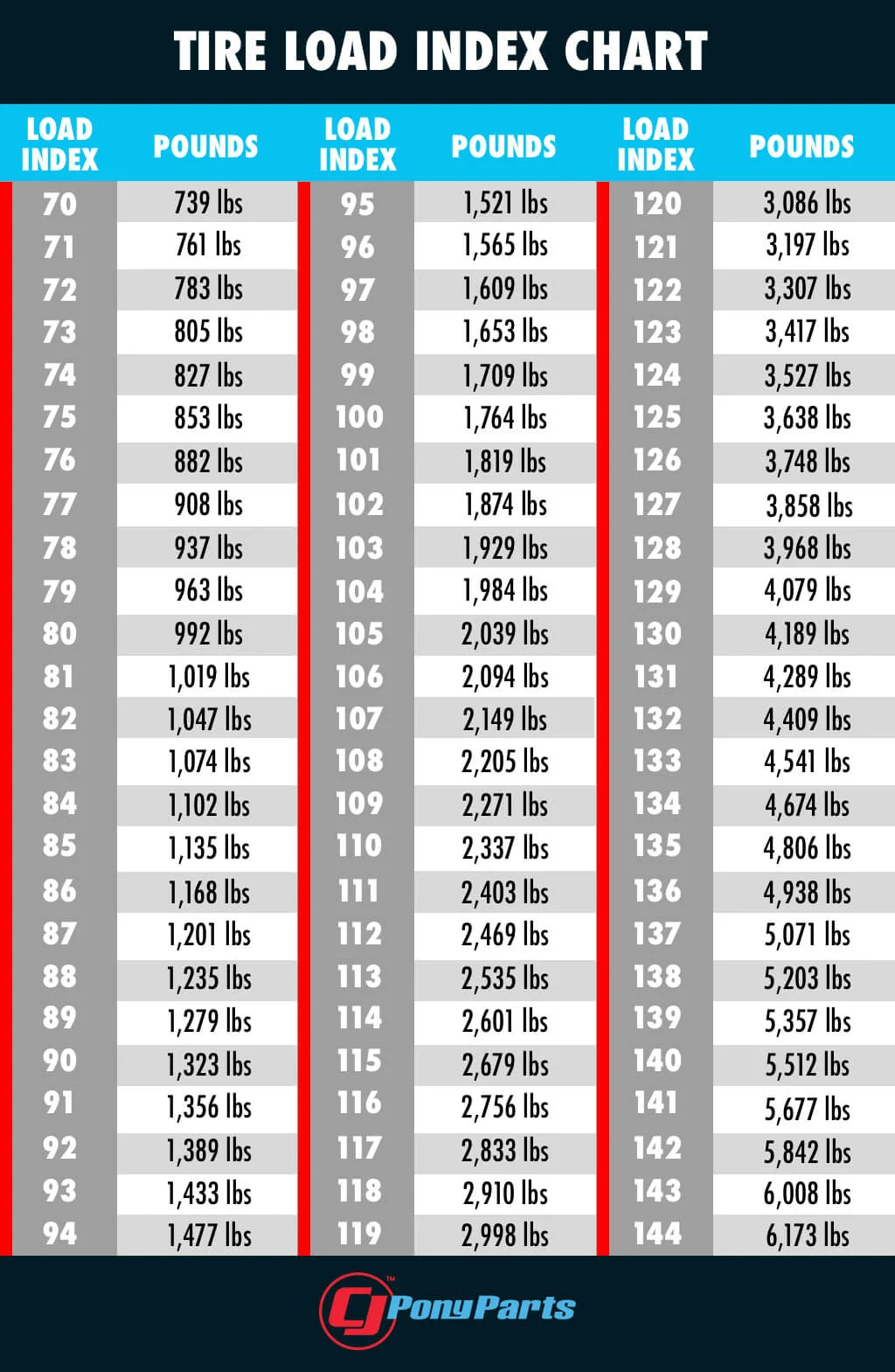
Beyond the trifecta of numbers, tire sidewalls often showcase additional markings which are equally pivotal. These may encompass load index ratings, speed ratings, and even the manufacturing date, providing further clarity on their performance capabilities. The load index, often a two- or three-digit number, signifies the maximum weight that the tire can safely support. On the other hand, the speed rating, shown as a letter (e.g., “H” or “Z”), correlates to the maximum speed the tire can safely handle, offering insight into its performance under demanding driving conditions.
Why Understanding Tire Codes Matters
In an age where safety and performance cannot be understated, understanding tire codes is essential for both casual drivers and automotive aficionados alike. Knowledge of these numbers transcends mere curiosity; it is an investment in safety and performance. Properly matched tires not only elevate driving dynamics but also contribute significantly to vehicle longevity and responsiveness.
Furthermore, with the onslaught of technological advancements, tires have evolved to exhibit specialized attributes tailored to diverse driving styles and conditions. Recognizing the nuances of tire codes enables drivers to make well-informed choices, aligning their vehicle’s capabilities with their personal driving preferences.
Conclusion
Ultimately, the numbers on a tire are not just arbitrary figures printed for ornamentation; they are the embodiment of engineering prowess designed to enhance safety, performance, and driving enjoyment. Equipped with the knowledge to decode these tire codes, drivers can confidently navigate the vast selection of tires available in today’s market. Whether you’re seeking enhanced performance, increased comfort, or improved fuel efficiency, understanding these numbers will empower you to make choices that align with your driving needs and aspirations.












