
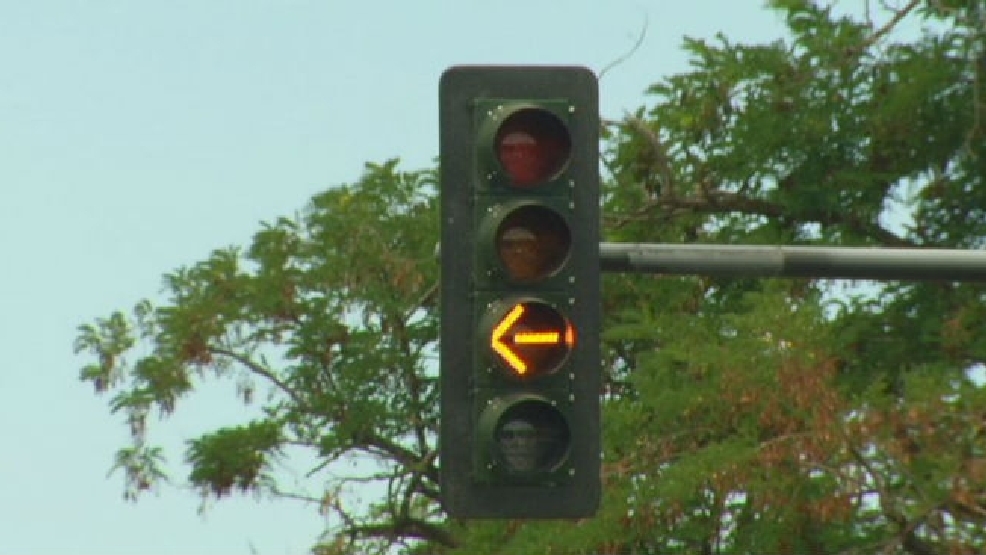
Traffic lights are ubiquitous in urban landscapes, orchestrating the rhythmic ebb and flow of vehicular and pedestrian movement. Among the colors that illuminate these signals, yellow lights often stir curiosity and contemplation. What is the true significance of the yellow light in traffic signals? As drivers navigate through various intersections, the yellow light serves as a nuanced indicator—beyond just a transition between the green go and the red stop. Understanding the deeper implications of yellow lights unveils the complex ecosystem of traffic management and safety.
The Fundamental Purpose of the Yellow Light
To grasp the meaning of yellow lights, one must first acknowledge their primary purpose: caution. The yellow light balances the dichotomy of movement and stillness, signaling to drivers that the green light is about to extinguish. It serves as an intermediary phase, nudging drivers to prepare for a possible halt while granting a fleeting opportunity for those caught within the intersection to clear their path. Essentially, the yellow light epitomizes a moment of reflection—a brief pause that can inform critical driving decisions.
However, the yellow light isn’t merely a precursor to red; it embodies a broader conversation about roadway safety and driver behavior. This transitional period creates an opportunity for assessment. Is it safer to accelerate to beat the impending red light, or should the vehicle come to a controlled stop? The decision pivots upon myriad factors—the distance from the intersection, the speed at which one is traveling, and the condition of the roadway.
Variability in Duration: A Geographic Discrepancy
The duration of yellow lights is not uniform across jurisdictions. Depending on local regulations and traffic engineering practices, a yellow light may last anywhere from three to five seconds, though the specific period can be influenced by factors including the speed limit of the road and the intersection’s design. In higher-speed areas, yellow lights are often programmed for longer durations, providing more time for drivers to respond. This variability accentuates the complexities of urban traffic management and reflects the unique behaviors of local drivers.
Understanding these differences necessitates recognition of the broader context of road safety. Regions with higher accident rates may pursue more deliberate yellow light timings, thereby increasing driver awareness and potentially reducing the likelihood of collisions. Conversely, an overly brief yellow signal can inadvertently promote risky behavior, as drivers race to clear intersections before being thwarted by a sudden stop.
The Psychological Impact of Yellow Signals
Beyond the mechanical aspects of traffic regulation, yellow lights provoke an intriguing psychological response. The presence of a yellow light often invites a myriad of behavioral tendencies; the anticipation of change elicits complex emotional responses in drivers. For some, the yellow light represents urgency; for others, an expansive moment to decelerate. Such diversity in interpretation underscores the varying perceptions of risk among drivers. This psychological impact extends to broader societal implications—how culture, experience, and regional norms shape interactions with traffic signals.
In psychology, the concept of “signal detection theory” illuminates the cognitive processes behind interpreting such warnings. Drivers subconsciously weigh the benefits of expediting their journey against the potential risks of disobeying the cautionary signal. The ensuing actions invite a powerful exploration of human behavior—how individuals navigate uncertainty amidst the constraints of societal expectations and rules.
Yellow Lights and Safety: A Double-Edged Sword
The yellow light encapsulates a paradox: it is both a harbinger of caution and a potential catalyst for mishaps. While its intention is to promote safety, the rush to action can lead to reckless driving habits. Studies have indicated that yellow lights can inspire a phenomenon known as “yellow light running,” where drivers misinterpret the duration of the yellow period and accelerate instead of decelerating. This miscalculation, whether intentional or unintentional, can culminate in dangerous situations at intersections.
The stakes are particularly heightened during rush hours or in high-traffic areas, where drivers may experience heightened stress and distraction. Awareness campaigns emphasizing the importance of respecting yellow lights and understanding the implications of their use are essential for fostering safer driving cultures. Such efforts could significantly mitigate the propensity for collisions typically associated with ambiguous interpretations of these signals.
Innovations in Traffic Signal Systems
Contemporary advancements in technology have paved the way for more sophisticated traffic signal systems, aimed at enhancing safety and efficiency. Adaptive traffic signals, equipped with sensors and real-time data analysis, can adjust the duration of yellow lights based on prevailing road conditions, traffic volume, and even weather patterns. This capability enables a more tailored response to the dynamic environment of urban transportation.
Furthermore, pedestrian safety has taken center stage, with many municipalities integrating features such as countdown timers in conjunction with yellow signals. These innovations aim to improve communication between traffic systems and users, fostering an environment where drivers are more attuned to the imminent needs of pedestrians. As smart city initiatives grow, the evolution of traffic signals will likely continue to mirror advancements in urban planning and technological integration.
Conclusion: The Broader Implications of Yellow Signals
In conclusion, the yellow light stands as more than a mere signal of caution; it embodies a rich tapestry of human behavior, psychological intricacies, and technological advancements. Its ambiguous yet pivotal role in traffic management serves as a reflection of our societal values surrounding safety and efficiency. An appreciation for the yellow light stimulates a dialogue about our responsibilities as drivers and the continuous evolution of our transportation infrastructures. Through an understanding of these signals, society can work toward a more harmonious coexistence on our roads, illuminating a path toward safer travels for all.












