
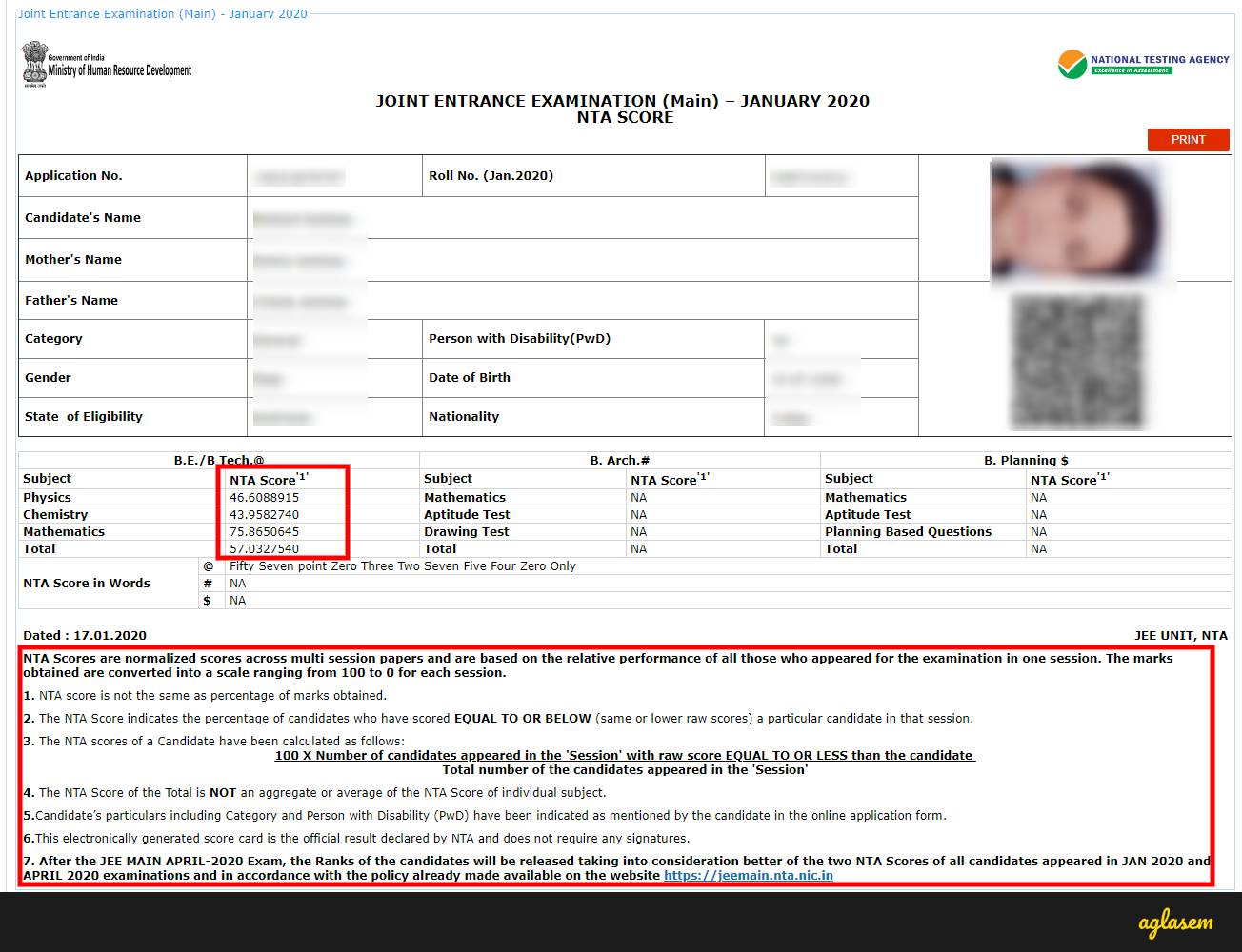
When you find yourself contemplating performance, whether in academics, athletics, or various professional pursuits, have you ever asked yourself what it truly means to be in the 85th percentile? This seemingly innocuous statistical term can indeed be enlightening, yet it may also leave many scratching their heads. What does it indicate about an individual’s performance, and why should it even matter?
At its core, the 85th percentile is a statistical measure that signifies a performance level: it denotes that 85% of the observations in a dataset fall below that particular value, while only 15% surpass it. Imagine standing in a crowded room filled with individuals of varied talents and accomplishments. If you find yourself in the 85th percentile, you’re not just performing well; you’re rather exceptional, outperforming the vast majority around you. Yet, what does this really mean in practical terms, and how can this knowledge be harnessed for personal growth?
To navigate the complexities of the 85th percentile, it is essential to contextualize this statistic within a realm of practical examples. We often observe this metric in standardized test scores. If a student achieves a score in the 85th percentile, they have performed better than most of their peers—more specifically, better than 85% of the students who took the same test. This could be an encouraging revelation for parents and educators alike. However, it could also pose an unsettling challenge for the student striving to be among the top 15%.
Another applicable context is within the workforce. Companies frequently utilize percentiles to evaluate employee productivity, sales performance, or customer satisfaction metrics. If a salesperson’s numbers are in the 85th percentile, they consistently outperform 85% of their colleagues. While this acknowledgment brings prestige and potential rewards, it also elevates expectations and creates a pressure to maintain, if not enhance, that level of performance.
As we traverse further into understanding the implications of the 85th percentile, it’s crucial to consider the variability inherent in any dataset. Percentiles function similarly to the concept of a bell curve, also referred to as a normal distribution. Therefore, with percentile rankings, a notable point arises: what if the performance baseline shifts? Indeed, maintaining a position in the 85th percentile can present a daunting challenge, especially if the cohort’s performance improves over time. The bar is continually raised, which propels individuals to adapt and evolve.
The 85th percentile also serves as a valuable tool in assessing public health data. For example, in childhood growth charts, doctors often utilize percentile rankings to evaluate a child’s height or weight against national averages. If a child is found in the 85th percentile for height, they are taller than 85% of their peers. While this may signal healthy growth, it can also evoke concern if no significant familial height history exists. Could this indicate a potential health challenge or necessitate further examination?
In the realm of education, percentiles are frequently employed in evaluating students’ reading levels, mathematics aptitude, and overall academic performance. For instance, if a student’s reading level is in the 85th percentile, they are reading at a level higher than 85% of peers in their age range. This not only highlights proficiency but also brings to light the potential for further intellectual engagement. What books might challenge this student’s capacity and foster even greater growth?
However, this raises an essential question: if you find yourself hovering around that 85th percentile, what strategies can you employ to push beyond and join the ranks of the top 15%? Set aggressive yet achievable goals. Create a personalized development plan. Seek mentorship and feedback from those who have already crossed this threshold. Innovative strategies provide an opportunity to leap beyond perceived limits.
Furthermore, embracing a growth mindset is pivotal when striving to progress. Instead of viewing the 85th percentile as an endpoint, consider it a stepping stone toward excellence. This approach can foster resilience and enhance motivation, creating a proactive learning and performance strategy. Remember, the importance of drawing insights from errors and setbacks cannot be understated in this journey. Embrace them as learning experiences rather than failures.
In summary, the 85th percentile is not just a mere number; it encapsulates a wealth of information regarding performance in diverse contexts. Whether it involves students striving for academic brilliance, athletes pushing their limits, or professionals aiming for exceptional achievements, understanding the implications of this percentile ranking is key.
As you ponder your position within any dataset, consider the possibilities that lie in striving for personal growth. Reflect on how you can leverage this statistical insight, cultivate resilience, and push beyond the barriers of limitation. The journey to being extraordinary begins with a simple awareness of where you stand and the recognition that improvement is always within reach.











