
The mysterious code embossed on the sidewall of a tire can appear to be a cryptic language to many. For instance, when you come across “95H,” you might wonder what these alphanumeric symbols signify. What if these two seemingly inconspicuous characters could unlock invaluable insights into your vehicle’s performance, safety, and suitability for your driving habits? In this article, we will dissect the meaning of “95H” in detail, focusing on load ratings and speed ratings, ultimately enriching your understanding of tires and their importance in the automotive world.
To embark on this journey, we must first understand that the code embedded in tire specifications divulges crucial information about its capabilities. Each tire is engineered to endure specific conditions, and understanding its alphanumeric imprint can empower you as a driver, allowing you to make informed choices aligned with your needs.
The first component of the code, “95,” is the load index. This numeric value indicates the maximum weight that a single tire can bear when properly inflated. The load index ranges from 0 to 279 and corresponds to varying load capacities. Specifically, a load index of 95 equates to a maximum load capacity of 1,521 pounds. It’s essential to appreciate how significantly this figure influences your vehicle’s overall performance. Overloading a tire poses a risk of excessive heat buildup, leading to tire failure or blowouts during driving. An adequate understanding of the load index allows you to ensure that each tire is compatible with your vehicle’s specifications, thus promoting safety on the road.
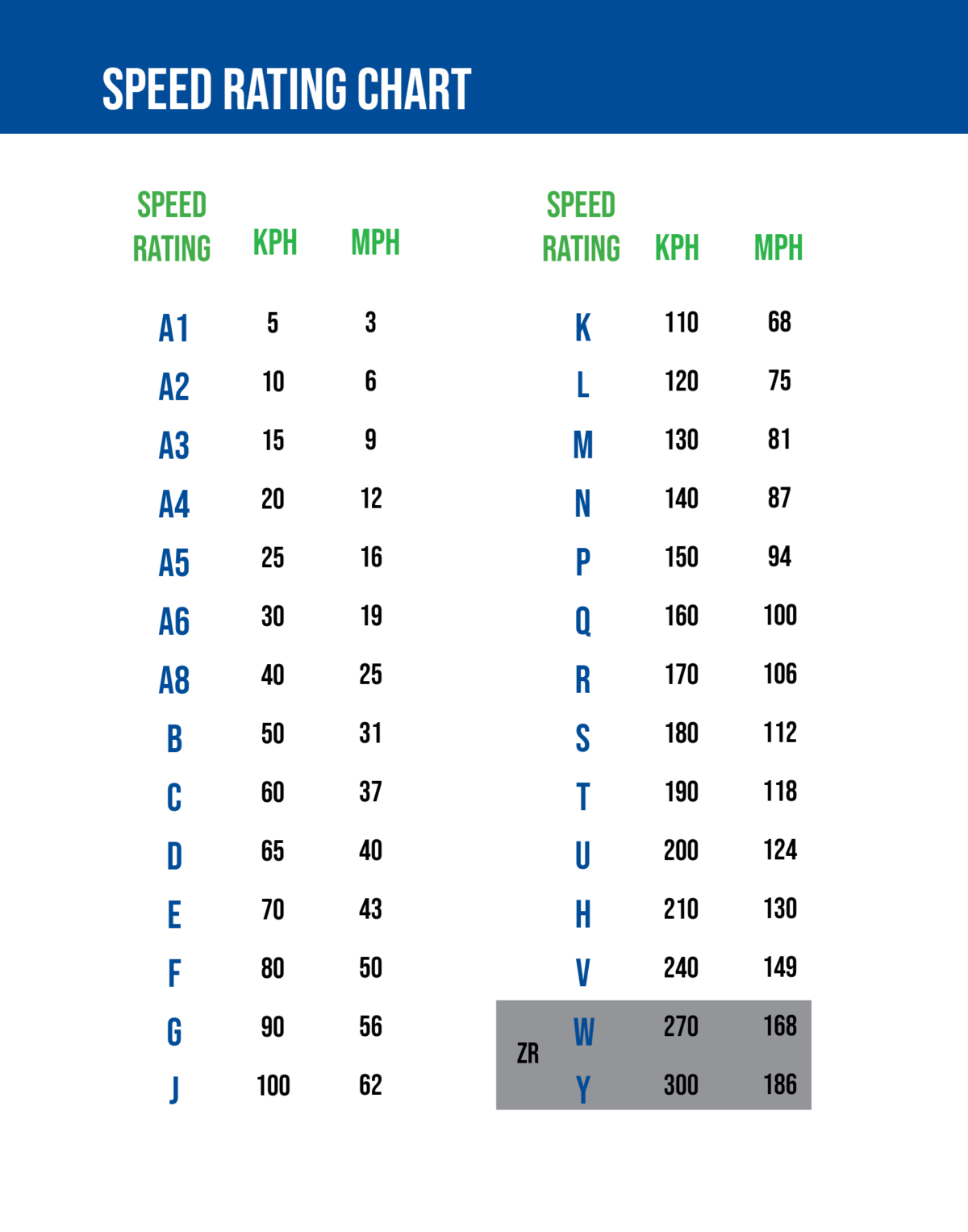
Now that we have elucidated the load index, let’s delve into the “H” in the code. This letter signifies the tire’s speed rating, which pertains to the maximum speed at which a tire can safely operate while carrying its designated load. Speed ratings are categorized alphabetically, ranging from A (the slowest) to Y (the fastest), each having distinct speed limitations. An “H” speed rating indicates that the tire can handle speeds of up to 130 mph (209 km/h).
Understanding speed ratings is indispensable for any driver, especially ones who push their vehicles to higher limits. Accurately discerning this crucial aspect of tire selection could mean the difference between a smooth drive and catastrophic tire failure. Hence, knowing that a tire marked with an “H” can maintain high speeds safely affirms that it is apt for highway travel and spirited driving alike.
It is paramount to recognize that load and speed ratings are not merely arbitrary figures; they are meticulously determined through rigorous testing. Manufacturers subject tires to a variety of conditions, assessing how they perform under load at different speeds. Only then can they confidently assign these ratings, providing an assurance of quality and safety that drivers rely upon.
When selecting tires, it’s not only essential to match the load and speed ratings with your specific vehicle requirements but also to consider driving habits. For instance, if you frequently carry heavy loads or embark on long-distance road trips, opting for a tire with a higher load index might be advantageous. Conversely, if you are someone who enjoys brisk driving on highways, choosing tires with appropriate speed ratings would be prudent.
Moreover, there’s an intrinsic relationship between load capacity and speed performance. A tire’s ability to perform under heavy loads impacts its stability at high speeds. Thus, striking a balance between load index and speed ratings is pivotal in ascertaining optimal driving experiences. Pairing a high load index tire with a lower speed rating could lead to compromised safety and performance, emphasizing the necessity for compatibility.
Another factor to consider is seasonal variations. Different conditions necessitate different tire types—winter tires versus all-season tires, for example. Winter tires are designed to maximize grip and control in icy or snowy terrain, while all-season tires offer a more versatile performance. Understanding how load and speed ratings fit into this context is necessary for making the best seasonal tire decision.
As we explore the implications of these ratings further, we should also consider the importance of periodic checks and maintenance. Regular maintenance, such as ensuring adequate tire pressure, can significantly extend a tire’s lifespan and optimize its performance. Mismanagement of tire pressure can lead to deviations from the anticipated load and speed ratings, ultimately compromising both safety and the overall experience of driving.
To solidify your grasp of tire nomenclature, remember that tire specifications are not merely guidelines but a testament to the engineering sophistication underlying automotive design. The “95H” moniker encapsulates a treasure trove of information. Tire manufacturers do not assign numbers and letters whimsically; they are resultant from extensive research and development aimed at enhancing driver safety and experience.
So, the next time you find yourself pondering what “95H” means on your tire, you can feel empowered by your understanding of load indices and speed ratings. This knowledge not only enlightens your perspective as a consumer but also enriches your overall driving experiences. It’s a nod to thoughtful decision-making, enhancing both safety and performance while traversing the roads ahead.
In sum, in the world of tires, knowledge is truly power. By discerning what “95H” represents, you gain a newfound appreciation for the intricate design and engineering that goes into tire manufacturing. Whether you’re cruising down the highway or navigating through bustling city streets, your awareness of comfort, safety, and functionality begins with understanding your tires.












