
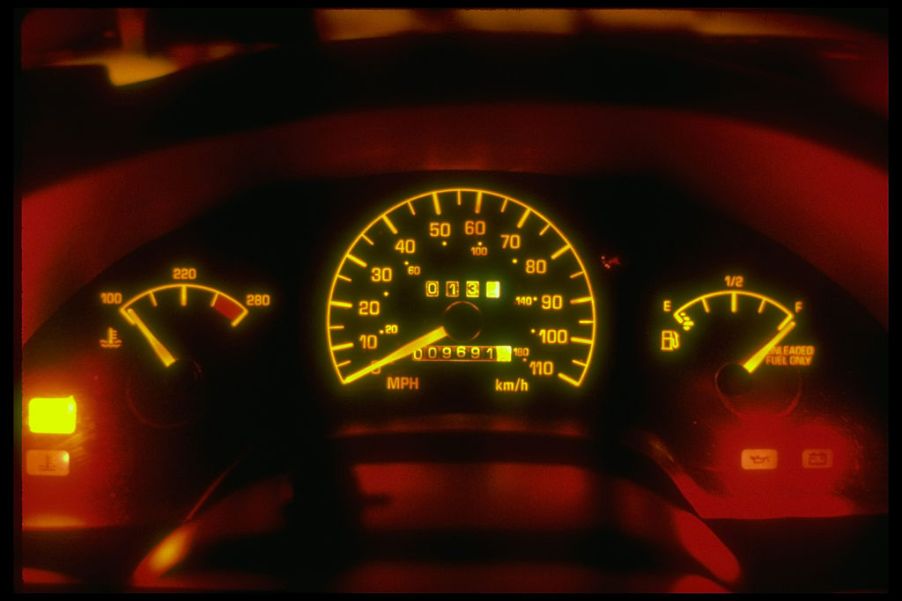
Have you ever squinted at your dashboard lights, questioning why that pesky ABS light illuminated? The dashboard can be a chaotic symphony of warning signals, but few can send your heart racing quite like the ABS indicator. What does ABS mean on the dashboard? And what does it signify for your vehicle and your safety? Let’s dive into the intricacies of anti-lock braking systems and demystify those illuminated warnings.
Firstly, the acronym ABS represents Anti-lock Braking System, a critical component designed to enhance braking stability and prevent wheel lock-up during sudden stops. This groundbreaking technology, originally developed for aircraft, revolutionized automotive safety and has become standard in modern vehicles. So, why does it matter? Well, an engaged ABS provides optimal control, particularly in slippery conditions, allowing for a better handling experience while driving.
But here’s the challenge: when that ABS light flickers on, it’s a clarion call for attention. Ignoring it may seem tempting—after all, your brakes seem to be functioning just fine, right? The truth is, an active ABS light can indicate a myriad of underlying issues that could jeopardize your safety.
Now that we’ve set the stage, let’s explore the common reasons why your ABS light might illuminate:
- Faulty Wheel Speed Sensors: The ABS operates on a set of sensors that monitor the speed of each wheel. If one of these sensors malfunctions, it sends an erroneous signal to the ABS control module, triggering that dreaded light. Remember, each wheel needs to communicate effectively with the system to maintain stability.
- Low Brake Fluid Levels: Did you forget to check your brake fluid? This fundamental oversight can lead to the ABS light shining brightly. Low brake fluid might indicate a leak or worn brake pads, making it essential to investigate further.
- Malfunctioning ABS Control Module: Just as the brain controls your body, the ABS control module interprets the signals from the wheel speed sensors. A failure here can disable the anti-lock functionality altogether, leading to a risky driving situation.
- Damaged Wiring or Connectors: The intricate network of wires and connectors in your braking system are vital for relaying information. Frayed wiring or corroded connectors can disrupt this vital connection, causing false alarms in your dashboard warning lights.
- Faulty Pump or Relay: The pump and relay are integral in maintaining the ABS’s operational capabilities. If either is compromised, the system may indicate that something is wrong. This can be due to wear and tear or environmental factors.
It’s critical to not view the ABS light in isolation. Instead, consider the dashboard as a complex interplay of components that collectively ensure your vehicle operates safely. For instance, an illuminated ABS light might coincide with other warnings, such as the brake warning light or traction control light. In such cases, the problem is likely more severe than a simple sensor malfunction.
The question arises, what should you do when the ABS light engages? The first step is to maintain composure. Safely pull over to the side of the road to assess the situation. If you suspect something is amiss beyond mere electronics, it’s prudent to consult a professional mechanic without delay.
Don’t be upset; even savvy drivers sometimes encounter nonchalant realities of car ownership. The good news is that most issues linked to the ABS light fall into manageable categories. Scheduling an appointment with an experienced technician can unravel the mystery of your ABS warning, allowing you to get back on the road with confidence.
But let’s not gloss over the prevention aspect! Here are some proactive measures to mitigate the chances of encountering ABS issues in the first place:
- Regular Inspections: Regular maintenance checks can help identify any potential issues before they become serious problems. This includes checking brake fluid levels, inspecting wires, and evaluating brake pads for wear.
- Mindful Driving: Sometimes, how you drive can impact the longevity of your ABS. Practicing gentle braking and avoiding abrupt stops can ease pressure on the braking system.
- Timely Repairs: Should any warning lights appear, addressing them immediately can prevent further damage. Delaying repairs not only exacerbates the problem, but it may also lead to more costly solutions down the line.
In closing, understanding what the ABS light signifies is essential for every driver. This light serves as an early warning system, alerting you to potential problems that could affect your braking efficiency. Maintaining vigilance over your vehicle not only safeguards your safety but also nurtures a heightened appreciation for automotive technology.
As we traverse the roads of life, our safety often hinges on the unseen workings of our vehicles. So, the next time you see that ABS light, remember the intricate ballet of sensors and pumps working tirelessly to keep you safe, and don’t hesitate to take action when it invites your attention.












