
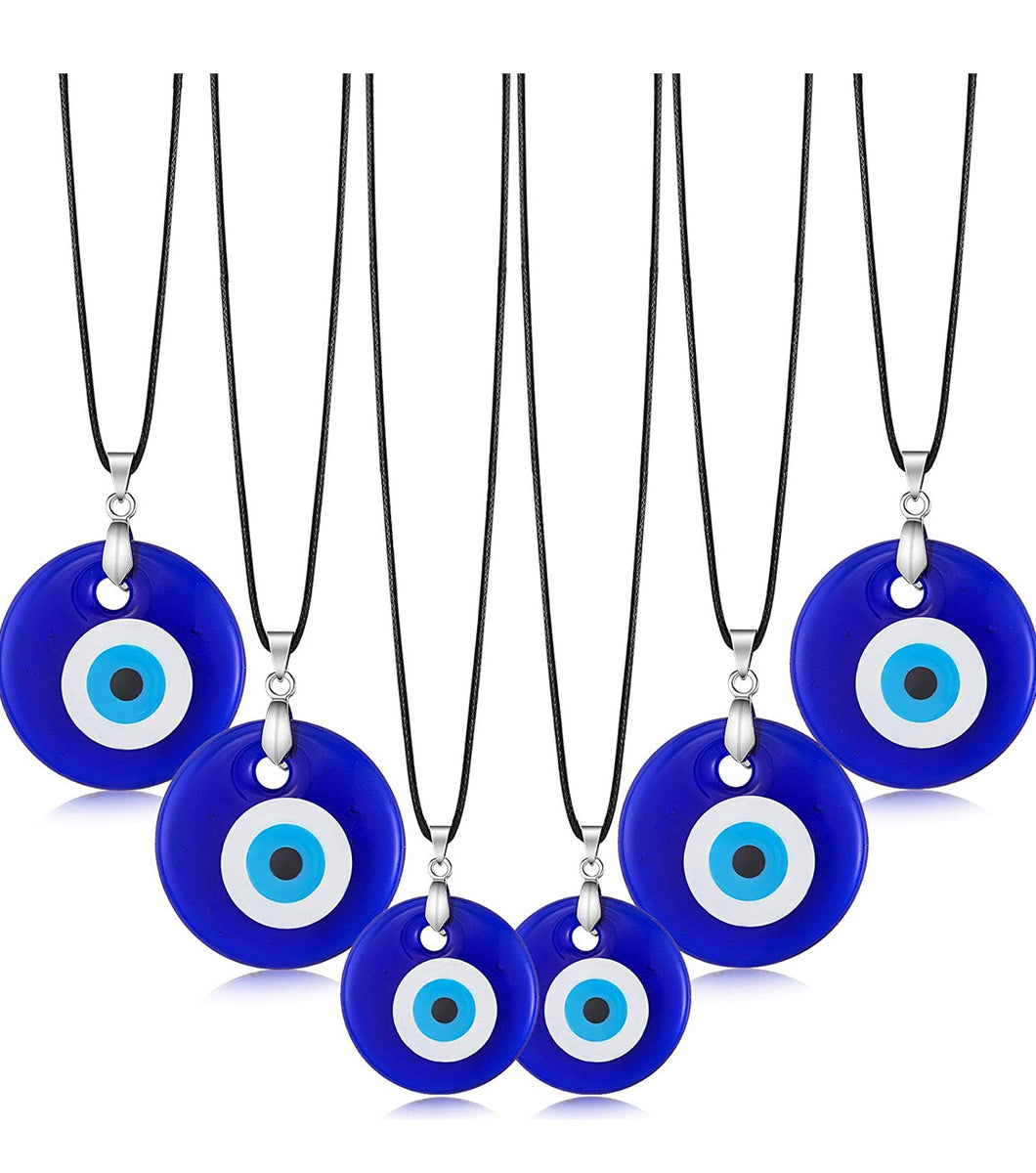
The evil eye necklace has traversed cultures and epochs, morphing into a striking emblem of protection and belief. Its tantalizing allure stems not merely from its aesthetic appeal but from the deep-rooted symbolism and historical significance that underpin its existence. This article delves into the multifaceted meanings of the evil eye necklace, unpacks its protective qualities, and explores its profound symbolism, shedding light on why it captivates so many individuals across the globe.
At its core, the evil eye symbolizes a curse believed to be cast by a malicious glare. Numerous cultures assert that this malevolent look can engender misfortune or even bodily harm. Yet, rather than succumbing to despair, many have transformed this concept into a source of strength through adornments such as the evil eye necklace. This relic serves as both a talisman and a conversation starter, inviting mystery and intrigue.
The origins of the evil eye concept are enshrined in ancient history. Its earliest traces can be found in Greek and Roman antiquities, where it was believed that envy and malevolence could manifest through a mere glance. The Greeks employed various strategies—such as recitations and protective charms—to counteract the nefarious effects. Intriguingly, this idea was not limited to the Mediterranean; it echoed through the ages in diverse civilizations, including the Middle Eastern, African, and South Asian realms, each ascribing unique interpretations to the evil eye and its monumental significance.
To the uninitiated, the symbols adorning an evil eye necklace might seem merely decorative. However, these emblems bear a weighty significance, often intricately crafted in the form of glass beads or gemstones. The quintessential evil eye symbol is typically characterized by its striking blue hue—a feature derived from the belief that blue possesses protective qualities against the envious gaze. Historically, blue was a color revered for its connection to the divine and the cosmos, which is why it became the color par excellence for amulets and talismans invoked for safeguarding loved ones.
The act of wearing an evil eye necklace engenders a psychological shield—an armor of sorts. It cultivates an aura of protection that belies vulnerability, allowing the wearer to navigate social interactions with renewed confidence. The intertwining of psychology and artistry renders the evil eye necklace not merely a fashion statement but a fortified mandate against spiritual malevolence. Observers often find themselves drawn to this charming talisman, perhaps compelled by an ineffable desire for reassurance that transcends rationality.
Beyond its protective attributes, the evil eye necklace embodies a sense of interconnectedness and cultural exchange. It stands as a testament to humanity’s shared quest for meaning, delineating a common understanding of the forces that influence our lives. Wearing an evil eye necklace allows individuals to participate in an ongoing dialogue about protection, belief, and the perennial struggle against negativity. This universal resonance fosters a sense of community among wearers, supporting a collective consciousness in the face of adversities.
Moreover, the appeal of the evil eye necklace can be attributed to the symbolism of balance it offers. In a world often riddled with chaos and turbulence, this talisman serves as a reminder of equilibrium and harmony. Much like the intricate design of the necklace itself—where each element coalesces to form a unified whole—the evil eye concept emphasizes the necessity of maintaining balance between light and dark, fortune and misfortune. Thus, the necklace nurtures a deeper understanding of one’s place within the cosmos, prompting introspection about the energies one is inviting into their life.
In terms of manifestation, the evil eye necklace also invites contemplation of practical applications in daily rituals. Many wearers infuse their own personal imprints into the object—be it through intentions set during jewelry-making rituals or by reciting affirmations while donning the necklace. This process transforms the ornament from a mere accessory into a powerful conduit for consciousness, enabling the wearer to channel protective energies more effectively. By empowering the talisman with personal significance, individuals reinforce their connection to its protective intent.
Interestingly, the resurgence of the evil eye necklace in modern fashion is couched within broader societal trends that value spirituality and mindfulness. As individuals globally grapple with the turbulence of our contemporary world, the intuitive appeal of such protective symbols finds fertile ground. Fashion trends that embrace deeper symbolisms thrive, aligning with consumers’ yearning for meaning and substance beyond mere aesthetics.
It is no surprise, then, that the evil eye necklace has carved its niche in the realms of both spiritual practice and fashion. It seamlessly melds the sacred with the stylish, inviting wearers to adopt its potent symbolism in everyday moments. Whether layered with other charms or worn as a statement piece, the necklace continues to embody an aspiration towards protection, positivity, and a collective understanding of the unseen forces swirling around us.
In conclusion, the evil eye necklace represents much more than a decorative element; it encapsulates a tapestry of cultural narratives, individual beliefs, and shared human experiences. Its protective qualities and rich symbolism reveal the layers of fascination surrounding this ancient talisman. As wearers embrace these concepts, the evil eye necklace emerges as a powerful emblem of hope, connection, and resilience in our ever-evolving world.












