
Understanding the term “bonded out” is essential in navigating the complex landscape of the criminal justice system. When an individual is arrested, they have various options for securing their release from jail, one of which is posting bond. This term may seem straightforward, but it carries with it nuances that reveal the system’s intricate workings and the myriad reasons individuals find themselves grappling with it. In this article, we will dissect what bonded out means and explore the implications of bond release, while also delving into related concepts and factors that contribute to its prevalence.
The Basics of Bond
To comprehend what it means to be bonded out, one must first understand the concept of bail. Bail is a financial arrangement made to secure the temporary release of an individual awaiting trial. Essentially, it operates as a guarantee to the court that the defendant will appear for subsequent hearings. If the defendant fails to show, the court is entitled to seize the bond funds, potentially leading to further legal repercussions.
Bond typically comes in various forms: cash bail, surety bond, and property bond. Cash bail involves posting the full monetary amount, ensuring a straightforward transaction. A surety bond, often procured through a bail bondsman, requires a fraction of the total bail as a fee, allowing those who lack sufficient cash to utilize a third party’s financial backing. A property bond entails leveraging an owned asset to secure release. Regardless of the method, the primary goal remains constant: to gain freedom while awaiting trial.
What Does “Bonded Out” Mean?
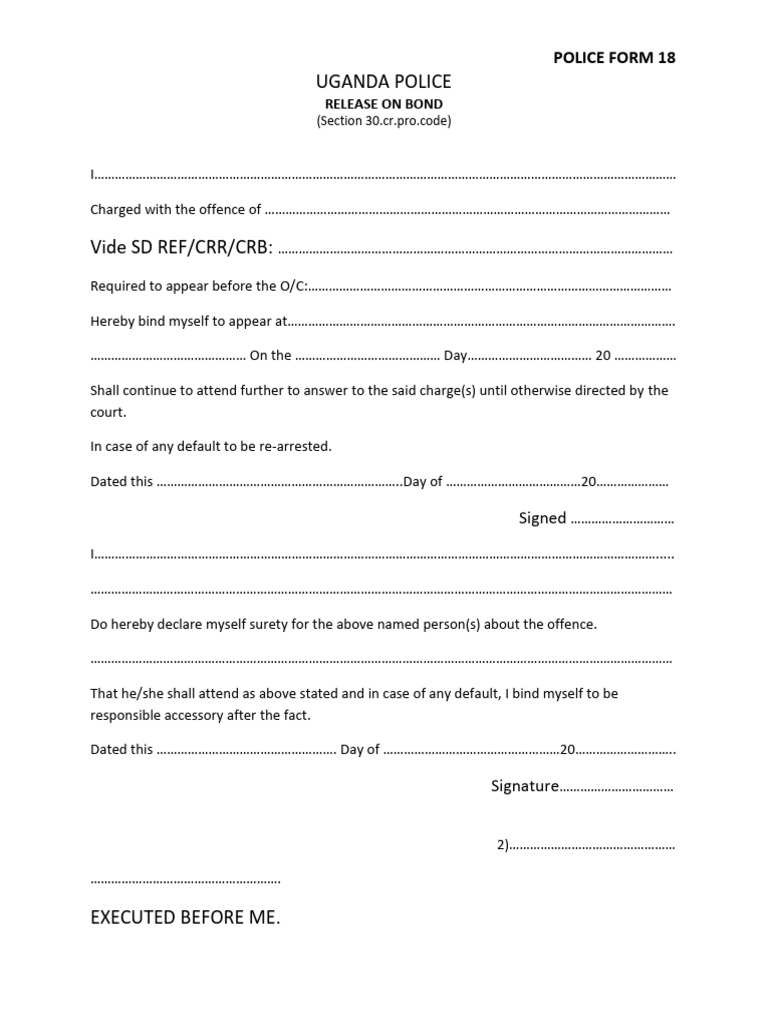
“Bonded out” refers to the process where an arrested person secures their release from custody by meeting bail requirements. Upon fulfilling these conditions—whether through cash payment, enlistment of a bail bondsman, or other means—the individual is granted the liberty to await trial outside the confines of jail. This process allows defendants to maintain their daily lives, attend to work or family obligations, and prepare their legal defense in more conducive surroundings.
Upon being bonded out, individuals often receive a release order, commonly referred to as a “bond receipt,” which they must present as proof of their release. It is crucial to understand that being bonded out does not indicate innocence; rather, it is part of the procedural framework to ensure that the accused remains compliant with legal obligations while awaiting adjudication.
The Fascination with Bonding Out
The concept of bonding out piques societal interest for various reasons. The criminal justice system unfolds in a tapestry of human emotion, societal pressures, and psychological factors. Bonding out serves as a lens through which individuals can examine the dynamics of accountability, freedom, and the dichotomy between presumption of innocence and the weight of societal judgment.
The allure of being bonded out often lies in the narrative surrounding freedom. People have an innate desire for autonomy; thus, the mere idea of reclaiming control over one’s life—even temporarily—can be captivating. Observing individuals transition from confinement to freedom underscores broader themes of resilience and the intricate dance between legality and morality.
The Socioeconomic Factors Influencing Bond Use
The bond system is not merely a legal provision but is deeply entwined with socioeconomic factors. Financial status heavily influences an individual’s ability to post bail. Those with wealth may seamlessly cover bail amounts, while individuals from marginalized backgrounds often find themselves struggling to navigate the bail system. This disparity raises broader questions about systemic inequality and highlights the stark reality that freedom can, at times, be economically out of reach.
Additionally, the use of bail bondsmen can further entrap defendants in a cycle of debt. The bail bond industry is replete with fees and interest, creating a potential quagmire for those who utilize its services. Critics argue that this phenomenon suggests a commodification of freedom, attaching a dollar value to the release from imprisonment.
The Legal Nuances of Bonding Out
It is important to note the legal implications that accompany being bonded out. Failing to appear in court after securing release can have dire consequences. Courts may issue a warrant for arrest, and the bond could be revoked or forfeited. Such consequences might alter the trajectory of an individual’s life, affecting not only their legal standing but also their relationships and employment opportunities.
Furthermore, many jurisdictions maintain policies that can complicate the process of being bonded out. Variances in local laws, as well as differing bail amounts for similar charges, render it a landscape marked by inconsistency and frustration for many individuals and their families. Understanding these variables is invaluable when embarking on the journey from custody to freedom.
Conclusion: The Reality of Being Bonded Out
In summary, the term “bonded out” encapsulates a critical function within the criminal justice system, representing a pathway from custody to freedom. However, the realities surrounding bail reveal a complex interplay of individual circumstances, societal norms, and legal expectations. By examining the deeper implications of bonding out, one can appreciate the intersections between freedom, economic disparity, and the human experience within the framework of justice. As the conversation around bail reform continues to evolve, it remains imperative for society to reflect on the values and principles that shape the treatment of individuals within the criminal justice system.












