
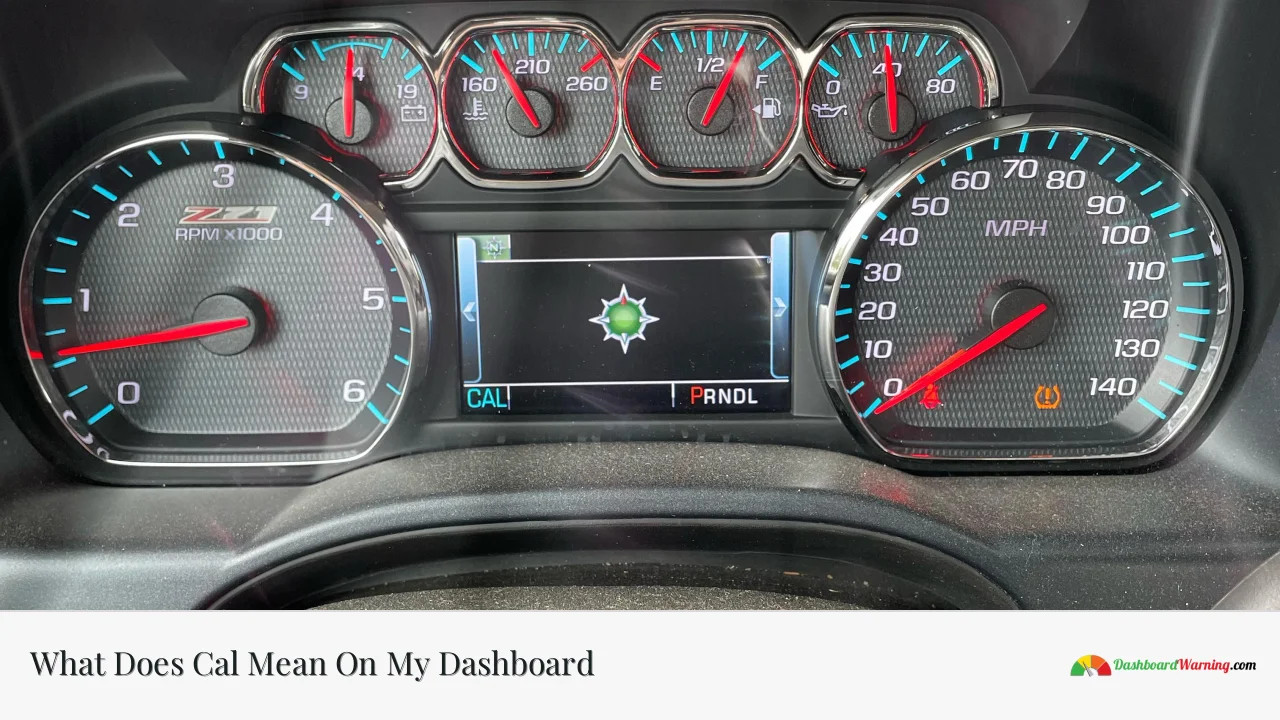
Understanding the myriad symbols and indicators on your vehicle’s dashboard can be as perplexing as deciphering an ancient language. Among these enigmatic symbols, the term “CAL” emerges, often arousing curiosity and concern for drivers. This article delves into the intricacies of CAL, illuminating its significance and implications for vehicle performance, particularly as it relates to calibration processes. So, let’s embark on this enlightening journey into the realm of dashboard terminology.
1. What Does CAL Mean?
The abbreviation “CAL” prominently surfaces under varying circumstances on vehicle dashboards. Primarily, it signifies “calibration,” a vital process aimed at ensuring that your vehicle’s sensors and systems function accurately. In many modern vehicles, various sensors are employed to monitor everything from fuel efficiency to emissions, and these must be periodically calibrated to ensure they provide accurate readings.
2. The Importance of Calibration
Calibration is pivotal for maintaining optimal performance or mitigating potential issues in vehicle operation. An improperly calibrated system may lead to inefficient fuel usage, elevated emissions levels, or even mechanical failures. Drivers might experience erratic behavior in terms of how their vehicle handles and responds to commands, reinforcing the need to understand and address a CAL indicator.
Moreover, an improperly calibrated engine can produce higher concentrations of harmful pollutants, impacting both air quality and compliance with environmental regulations. Therefore, keeping systems calibrated ensures both peak performance and adherence to legal standards.
3. When Does CAL Appear on the Dashboard?
The CAL indicator can manifest under various circumstances. Here are some common scenarios:
- New Sensor Installation: If you have recently replaced a sensor, the CAL symbol may appear, signifying that the sensor requires calibration to function correctly.
- System Reset: After a system reset, the dashboard may display CAL until specific systems are checked and calibrated.
- Diagnostic Checks: When performing diagnostic checks, mechanics often engage calibration tools that might trigger the CAL display.
In some vehicles, the CAL light may remain illuminated until diagnostic procedures are performed, while others may momentarily display the symbol during the calibration process.
4. How to React When You See CAL
Noticing the CAL symbol on your dashboard doesn’t always spell disaster, but it should prompt a response. It’s advisable to take the following steps:
- Consult the Owner’s Manual: Every vehicle comes with its own behavioral nuances. The owner’s manual will provide specific guidance on what the CAL symbol signifies for your vehicle.
- Visit a Mechanic: If the symbol persists after consulting your manual, scheduling a visit to a certified mechanic is prudent. They can execute precise calibrations and diagnostics to identify any underlying issues.
- Conduct Basic Checks: Apprize your vehicle’s performance. Are there any noticeable changes in engine efficiency, braking performance, or fuel consumption? Maintaining observational habits can provide key insights for your mechanic.
5. The Calibration Process
The calibration of automotive sensors and systems is a meticulous process, often requiring specialized equipment and software tools. Some common calibration processes include:
- Sensor Calibration: Involves fine-tuning sensors that monitor parameters such as wheel speed, engine temperature, and more to ensure accurate readings.
- ECU Reprogramming: The Engine Control Unit (ECU) may need reprogramming to align with new sensor data or modifications made during repairs.
- Throttle Body Synchronization: This ensures that the throttle body reacts precisely to driver inputs, enhancing vehicle responsiveness and drivability.
This calibration often takes place after significant repairs, modifications, or even periodically as preventive maintenance. It’s essential to view calibration not merely as a remedial task but as an integral aspect of vehicle stewardship.
6. Frequently Asked Questions
Many drivers experience uncertainty surrounding the CAL indicator, leading to prevalent questions that deserve clarification:
- What causes CAL to trigger?
Sensors failing to report correct data, replacement of components, or completion of routine maintenance could prompt the CAL symbol. - Can I ignore the CAL warning?
It may be tempting, but ignoring the CAL warning can lead to diminished vehicle performance and potential long-term damage. - How often should I calibrate my vehicle?
Calibration frequency can vary based on vehicle usage, age, and type of modifications. Regular check-ups and adherence to service intervals can help inform you of necessary calibrations.
Understanding the CAL symbol provides drivers with valuable insight into the ongoing health and performance of their vehicles. By familiarizing yourself with the importance of calibration and the scenarios in which the CAL symbol may appear, you empower yourself to take timely and informed actions that can enhance safety and efficiency on the road.
7. Conclusion
Dashboard indicators like CAL are gateways to understanding the operational state of your car. While it may seem daunting at first glance, translating these terms into actionable knowledge fosters better vehicle maintenance and enhances longevity. Whether you’re a seasoned driver or just starting your automotive journey, paying heed to these indicators can translate into more enjoyable and safer driving experiences.












