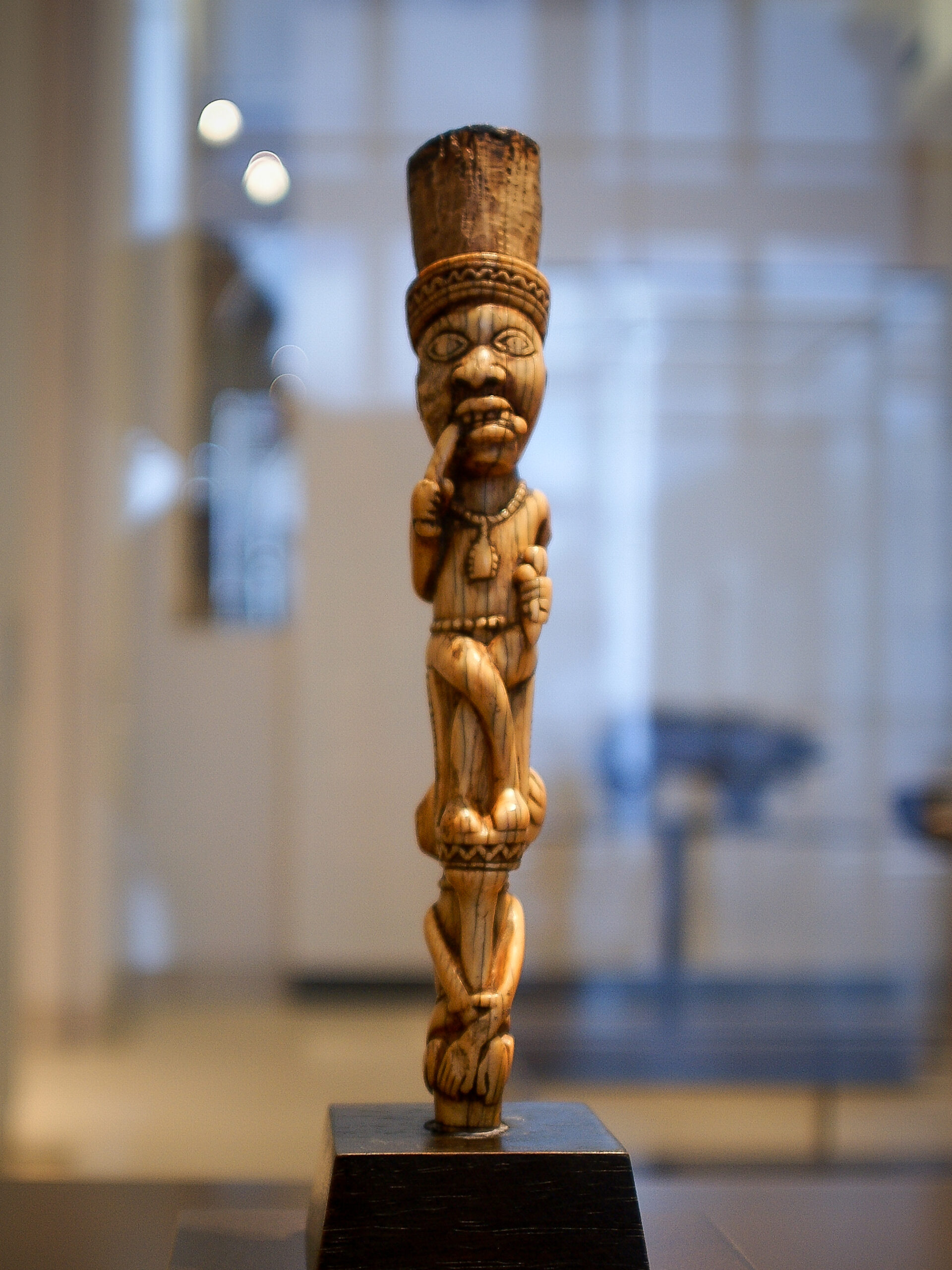
When one gazes upon a sculpture, an undeniable dialogue ensues between observer and creation. This dialogue is not merely a passive observation; rather, it reflects the intricate tapestry of human existence and emotion. Sculptures serve as embodiments of thoughts, manifestations of culture, and tangible representations of the ephemeral qualities of life. In this examination, we shall delve into the myriad ways a sculpture encapsulates the essence of artistry, emotion, and historical significance.
First and foremost, a sculpture is a physical manifestation of artistic intent. The sculptor’s hands mold raw materials—be it marble, bronze, clay, or even avant-garde items—to express a conceptual vision. This process is akin to an intricate dance, one that requires both finesse and a deep understanding of the chosen medium. As one observes a sculpture, the texture, form, and weight evoke a sense of wonder. The artist imbues the creation with life through these choices, inviting viewers to ponder the significance behind each curve and contour.
Moreover, sculptures serve as cultural artifacts, deeply rooted in the traditions and histories of their origin. Across various societies, from the grandeur of Ancient Greece to the intricate works of African tribal artistry, sculptures provide insights into the values, beliefs, and experiences of people long gone. A sculpture is not merely a solitary object; it is a conduit through which the ethos of a culture is expressed and preserved. To appreciate a sculpture is to engage with the curricular lineage of humanity, inviting contemplation on the evolution of societal norms and artistic philosophies.
Consider the Yombe sculpture, held in the illustrious Louvre, a quintessential representation of African artistic tradition. This sculpture is not just a piece of wood or stone; it embodies the spiritual and social narratives of the Yombe people. The craftsmanship reflects the community’s relationship with spirituality and their belief systems. Each figure carved tells stories of ancestors and the reverence bestowed upon them. In this way, a sculpture transcends its physicality, becoming a repository of collective memory.
Alongside cultural significance, the emotional depth captured in sculptures is profound. The expression of human experience—joy, sorrow, triumph, and despair—can resonate powerfully through the stillness of a sculpture. The contemplative viewer may find themselves drawn to a piece that evokes personal memories or feelings of connection, thus bridging the gap between the past and present. In this sense, sculptures become vessels of empathy, allowing individuals to connect through shared emotional landscapes.
A remarkable aspect of sculpture is its ability to engage with the viewer in an immersive dialogue. Unlike paintings confined to a two-dimensional space, sculptures invite individuals to circumnavigate and interact with the work from multiple vantage points. Each perspective unveils fresh details and interpretations, enhancing the viewer’s understanding and emotional response. As they navigate around a piece, one cannot help but step into the narrative, prompting a myriad of questions about intent, meaning, and existence itself.
Furthermore, sculptures are often situated in public spaces, transforming them into communal artworks that belong to all. Public art installations serve as focal points in urban landscapes, igniting cultural conversations and fostering a sense of identity within communities. These works often encapsulate social issues, provoke thought, and inspire change, reminding us that art is not just for personal introspection but can also serve as a catalyst for social discourse. The accessibility of public sculpture democratizes art, enriching everyday experiences for both locals and visitors alike.
In contrast, private collections of sculptures present a different allure. These pieces often reflect the personal tastes and values of the collectors, serving as intimate links to the creative minds behind the works. The allure of owning a sculpture can transcend mere aesthetics; it becomes a means of connection with the artist’s vision and a deeper understanding of their emotional landscape. This relationship between collector and artwork fosters a unique dialogue, where personal reflections and interpretations bloom.
While contemplating the permanence of sculptures, one cannot ignore their resilience against the passage of time. Many sculptures have weathered the elements for centuries, bearing witness to historical events that shaped societies. Their endurance underscores the transient nature of human life, juxtaposing the fleeting moments we experience with the lasting legacy of creativity. As we ponder about the labor and time dedicated to crafting a sculpture, we are reminded of our own mortality and the desire to leave a mark on the world.
In conclusion, a sculpture transcends the superficial confines of its material being. It invites viewers to explore a deeper understanding of art, culture, and humanity itself. Through the intricate interplay of artistic expression, cultural significance, and emotional resonance, sculptures serve as vital touchstones in our journey toward comprehending the human experience. As one stands before a sculpture, they are beckoned to reflect not just on the artistry of the piece but on the broader tapestry of existence that it represents—a true testament to the timelessness of human creativity and our insatiable quest for connection.