
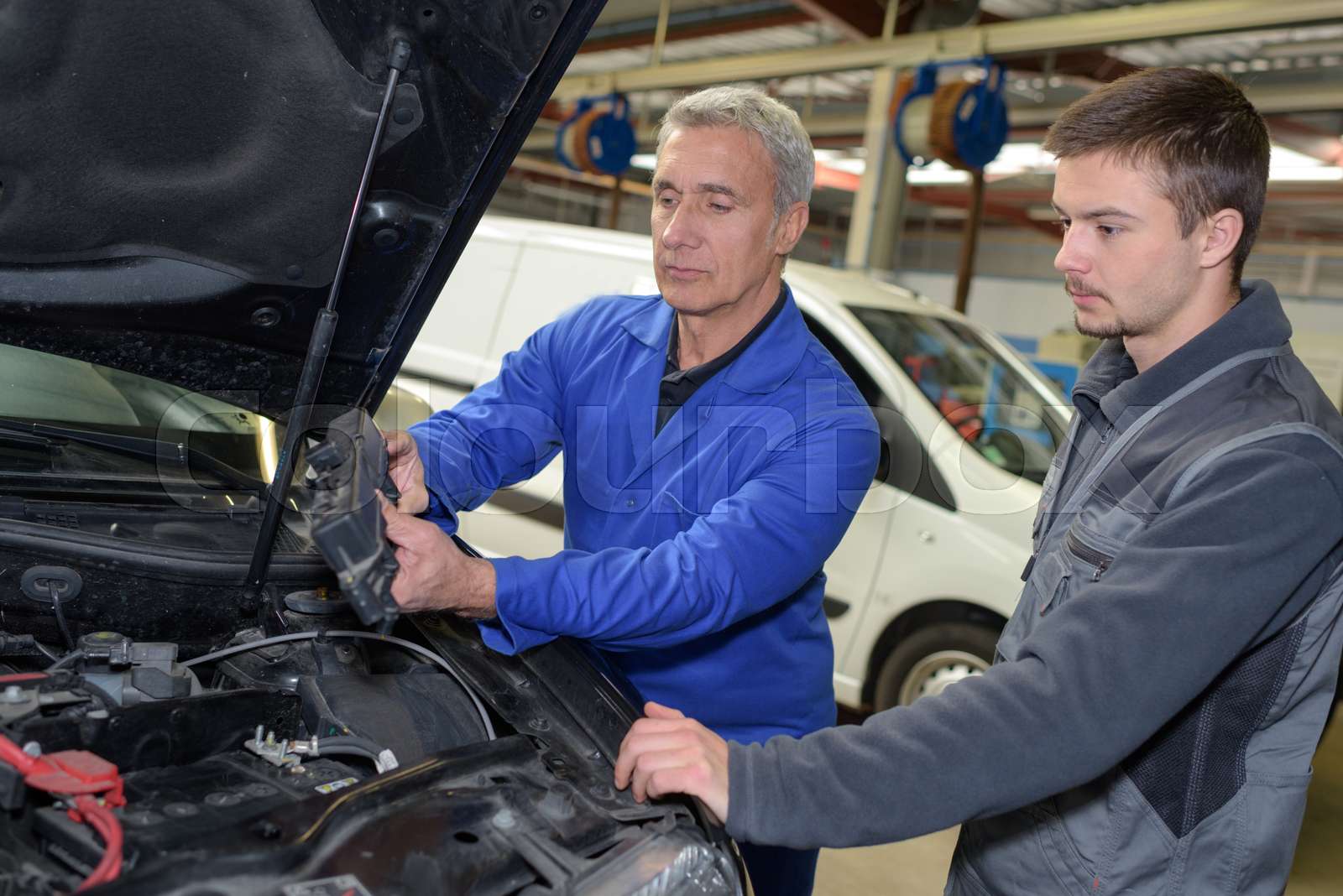
In the intricate tapestry of modern society, a trained automobile mechanic emerges as a quintessential embodiment of craftsmanship and technical prowess. Much like a conductor orchestrating a symphony, the mechanic harmonizes myriad components of complex machinery, transforming chaos into seamless operation. This article delves into the nuanced world of automobile mechanics, illuminating the indispensable role they play within the automotive industry.
The vehicle is often likened to a living organism, a relentless entity equipped to traverse the landscapes of our daily lives. Just as an organism depends on its vital organs to function optimally, automobiles rely on intricately designed components that work symbiotically to ensure smooth performance. Here, the trained automobile mechanic becomes the physician, meticulously diagnosing, treating, and nurturing these vehicular beings back to health.
To understand the profound complexity of this profession, one must first recognize the breadth of knowledge encompassed within the realm of automobile mechanics. Today’s mechanics are not mere artisans confined to wrenches and oil filters; they are multifaceted specialists who embrace an ever-evolving technological landscape. From the rudimentary internal combustion engines to the sophisticated algorithms driving electric vehicles, mechanics are at the forefront of innovation. Each new model that rolls off the production line presents both a challenge and an opportunity for these experts.
Consider the modern automobile as a microcosm of society, reflecting the technological advancements and environmental considerations of contemporary life. A trained automobile mechanic is akin to a skilled architect, capable of deciphering blueprints etched in the language of gears, levers, and electrical circuits. They possess an arsenal of diagnostic tools that echo the precision instruments wielded by surgeons, capable of pinpointing even the most elusive malfunctions. Their analytical minds and sharp problem-solving skills act as a compass navigating through the complexities of automotive technology.
Moreover, the relationship between a mechanic and a vehicle frequently mirrors the trust dynamics found in a doctor-patient relationship. Vehicle owners often approach mechanics with questions, uncertainties, and sometimes fear of overwhelming repair costs. A truly skilled mechanic, much like a wise sage, provides not only solutions but also education, empowering the car owner with knowledge. They illuminate the inner workings of the automobile, making the unfamiliar familiar — transforming the anxiety of a looming repair into the confidence of an informed consumer.
In today’s environmentally conscious world, a mechanic’s role extends beyond mere repairs. They are stewards of sustainability, advocating for greener practices within the automotive industry. With the advent of hybrid and electric vehicles, mechanics must adapt their knowledge to embrace alternative fuels and clean technology. This shift epitomizes the evolution of the profession, as mechanics increasingly serve as ambassadors of change, advocating for responsible driving practices and encouraging the integration of eco-friendly components into traditional vehicles.
The emotional connection between a mechanic and a vehicle can be likened to a sculptor and their masterpiece. Each scratch, dent, or mechanical ailment tells a story, and the mechanic, with deft hands and a discerning eye, has the power to restore not just the vehicle’s functionality but also the memories encapsulated within it. The mechanic’s craft goes beyond bare repair; it is an art form where patience and precision sculpt the steel and rubber into something alive with purpose.
Education plays a pivotal role in the journey to becoming an accomplished automobile mechanic. Technical schools and vocational programs serve as the crucibles in which aspiring mechanics are forged. Here, they immerse themselves in the study of advanced automotive technology, learning to interpret the multifarious signals emitted by modern vehicles. Just as a musician practices scales to master their craft, budding mechanics hone their skills through rigorous hands-on training and theoretical knowledge, preparing themselves for the challenges that lie ahead.
Furthermore, certifications and continual education are vital parts of the mechanic’s journey. An ever-changing automotive landscape necessitates that mechanics remain fluent in contemporary developments. Continuous education embodies the spirit of lifelong learning, ensuring that mechanics not only keep pace with technology but also stand at the vanguard of innovation. This pursuit of knowledge transforms them into pioneers, propelling the industry forward one repair at a time.
As we thread through the fabric of daily existence, it becomes evident that a trained automobile mechanic is much more than an individual endowed with mechanical skills. They are vital contributors to the systemic functions of society, ensuring that the engines of modern life continue to purr smoothly. Their expertise encapsulates a blend of science, technical aptitude, and artistry, culminating in an impressive tableau of mastery that warrants recognition and admiration.
In summation, the trained automobile mechanic illustrates the intersection of dedication, skill, and continuous learning. They are the custodians of our automotive heritage, ensuring that as we navigate through the wonderland of technology, our journeys remain uninterrupted and our vehicles, steadfast companions. Just as a conductor commands an orchestra, harmonizing diverse instruments into a cohesive melody, so too does the trained automobile mechanic orchestrate the myriad elements that propel us forward on our roads. Whether it is through challenges presented by new technologies or the need for sustainable practices, these automotive artisans are poised to guide us into an innovative future — an essential and irreplaceable part of the automotive narrative.













