Similes are an essential component of language, enriching our communication through vivid imagery and imaginative comparisons. Have you ever paused to evaluate just how potent a simple comparison can be? When wielded deftly, similes evoke powerful emotions and create mental images that linger long after the words are spoken or written. Yet, despite their straightforward nature, crafting impactful similes can be a genuine challenge. So, what precisely defines a simile, and how does one effectively employ this figure of speech?
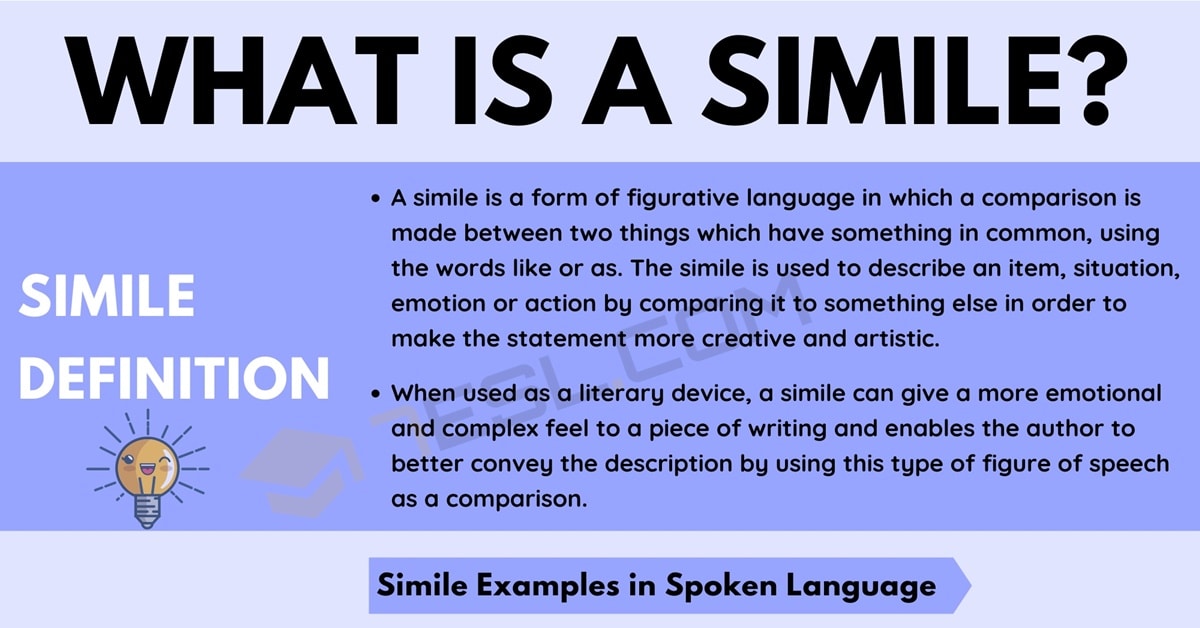
A simile is a literary device that draws parallels between two distinct entities using the words “like” or “as.” This comparison aims to enhance understanding by highlighting a specific trait or quality that the two subjects share. In contrast to metaphors, which imply that one thing is another, similes maintain a semblance of separation between the items being compared. For example, saying “her smile was like the sun” illuminates the warmth and brightness of her smile without conflating her smile with the actual sun.
To grasp the significance of similes, consider their role in everyday language. They are not merely poetic flourishes; they serve to distill complex ideas into relatable and digestible forms. Imagine explaining a difficult concept to a friend. Wouldn’t it be easier to say, “It’s as confusing as a maze?” This not only clarifies the idea but also paints a vivid picture in the listener’s mind. By appealing to our senses and emotions, similes can evoke reactions that resonate deeply.
One of the wonderful aspects of similes is their versatility. They can be employed across various contexts, from casual conversations to literary masterpieces. Whether you are narrating a story, delivering a speech, or even engaging in creative writing, similes can enhance your narrative. For instance, in creative work, one might write, “The night sky was as dark as ink,” an expression that evokes a strong visual contrast and sets a mood of mystery.
Let’s delve deeper into crafting effective similes. The heart of a good simile lies in its ability to draw unexpected, yet relatable, connections. A common pitfall is opting for cliched comparisons that risk dulling the impact of your writing. Instead of saying “busy as a bee,” which might feel trite, consider more vivid alternatives such as “busy as a juggler with flaming torches” to invoke a more engaging image. So, what are some strategies for creating your own unique similes?
First, start by identifying the core idea you want to express. What emotion or quality are you aiming to convey? Once you pinpoint that, think about the characteristics of your subject matter. What vivid imagery can you draw from your experiences or surroundings? For example, if you want to portray someone who is cheerful, you might consider comparisons to elements of nature: “She was as cheerful as a morning bird singing at dawn.” This engages the reader’s imagination and connects them with a universally appreciated experience.
Curiosity can also be an inspiring source for similes. Ponder over unusual pairs to forge a connection; this can lead to striking and memorable similes. Imagine saying, “Her memory was like an old library, filled with dusty tomes harboring tales of yesteryears.” Here, you not only draw a connection between memory and a library but also invoke nostalgia and the passage of time, materially enriching the narrative. How will you approach the challenge of innovative comparison in your writing?
Similes also possess the power to enhance storytelling, thus inviting readers to immerse themselves in the tale. A well-placed simile can elevate a mundane description into the extraordinary. For example, while describing a storm, one might say, “The thunder crashed like a thousand drums in a symphony of chaos.” This transforms the act of simply stating that it was stormy into an experience that your audience can feel. It’s a delightful challenge to revisit mundane descriptions and infuse them with the vibrancy of similes.
Despite their advantages, one must also tread carefully in their use of similes. Overloading a piece of writing with many similes can overwhelm the reader and obscure your central message. Therefore, moderation is key. A well-placed simile has the capacity to resonate, while too many can lead to confusion or distraction. Striking that fine balance is part of the mastery of writing.
Similes also form a part of cultural expressions, appearing in songs, literature, and even colloquial sayings. For instance, the phrase “as easy as pie” has become ubiquitous in describing simplicity. However, original similes can breathe new life into familiar themes, offering fresh perspectives and ideas. Reflect upon how even your childhood experiences or local landscapes can inspire delightful and distinctive similes.
In conclusion, similes are a powerful tool for any writer or speaker, bridging the gap between abstract ideas and tangible expressions. They invite vibrant imagery, foster empathy, and ignite readers’ imaginations. So the next time you find yourself seeking to articulate an idea, pause and consider: What simile can encapsulate my thoughts in a playful yet profound manner? By embracing this linguistic challenge, you not only enhance your communication’s clarity but also enrich the artistic quality of your writing. Engage your creativity, and let the world see through your eyes as you craft exquisite similes that resonate and delight.