
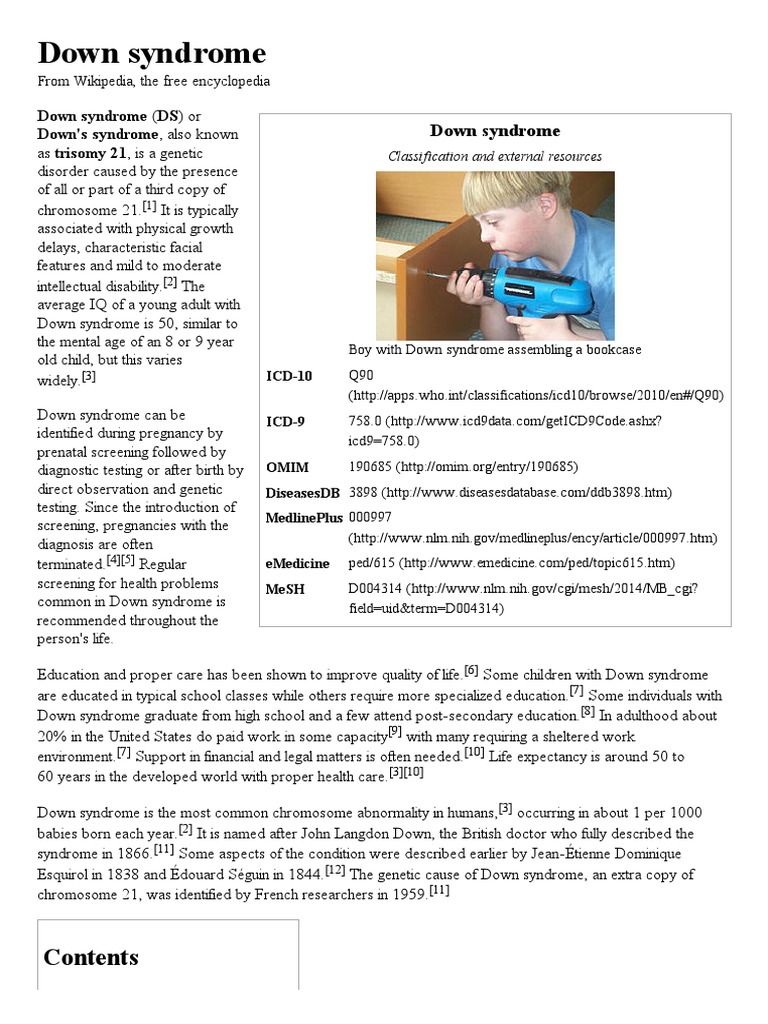
When one encounters the term “Down syndrome,” it is easy to presume that it is associated with Dr. John Langdon Down, the physician who first described the condition in the 19th century. However, this view can be misleading, and understanding why Down syndrome is not an exemplary case of an eponym invites us to reconsider not only the terminology we use but also the broader implications of identity and nomenclature in medicine.
To claim that Down syndrome is an eponym would mean that it derives its name explicitly from an individual’s work or legacy, as is the case with many medical and scientific terms. Yet, the nomenclature surrounding Down syndrome is more complex than this simplistic attribution. Dr. Down described the phenotype of individuals with this chromosomal condition, but it wasn’t until 1959 that the genetic basis of Down syndrome was elucidated through the discovery of the trisomy of chromosome 21. This means the label of “Down syndrome” incorporates both historical and genetic narratives, which are critical to understanding the condition itself.
Down syndrome is an aneuploidy, characterized by the presence of an extra copy of chromosome 21. This genetic anomaly results in a spectrum of developmental and physical characteristics. The term “trisomy 21” is used interchangeably with Down syndrome in genetic discussions. It not only signifies the genetic malfunction but also bespeaks the complexity of human genetics. Therefore, framing Down syndrome solely as an eponym simplifies the rich tapestry of scientific discovery while undermining the evolutionary nature of our understanding of genetics and phenomena like aneuploidy.
In the realm of scientific terminology, eponyms hold a special place; they often reflect an individual’s contributions to a field. Terms such as “Alzheimer’s disease,” named after Dr. Alois Alzheimer, effectively memorialize a person’s achievement and their role in awakening public awareness about a condition. The problem with referring to Down syndrome as an eponym is that it obscures the collective effort of countless researchers who contributed to advancing our understanding of this genetic disorder, and it narrows the focus to a singular individual—something rarely seen in discussions about genetic conditions.
Moreover, the designation of Down syndrome as an eponym also raises questions about the implications of naming in the medical community. How do we discuss conditions that affect millions without reducing them to mere labels associated with specific figures? It can be harmful, for it risks stereotypical portrayals and generalizations about those with the condition. This is especially poignant in the context of Down syndrome, as individuals with this condition are inherently unique, with distinct personalities, dreams, and strengths. Emphasizing its connection to any one person disconnects them from their identity and experiences.
Furthermore, there is a philosophical nuance worth pondering: how should we interpret the interplay between names and identities? While it is commonplace to see medical conditions named after individuals, the designation can inadvertently conflate identity with pathology. The essence of Down syndrome is not encapsulated solely by its nomenclature but rather by the lived experiences of individuals and their families. Recognizing this distinction shifts the focus from an individual’s legacy to a shared human experience, fostering a more inclusive perspective that prioritizes empathy over historical attribution.
The broader impact of such a shift is significant. By moving beyond eponymous attributions, we can cultivate a heightened awareness that embraces the richness of human diversity. Down syndrome exemplifies a myriad of abilities and potential, yet classic eponymous classification risks casting shadows of limitation rather than fostering understanding and acceptance. Encouraging dialogue around this point invites curiosity. It leads to a gradual unraveling of preconceived notions while generating an expanded consciousness about genetic diversity.
Moreover, a greater understanding of the genetic underpinnings of Down syndrome can yield invaluable insights into healthcare, education, and community support. With a shift in nomenclature perspectives, there comes an opportunity to influence policy and practice significantly. Advocacy for individuals with Down syndrome requires not only an understanding of who they are but also a commitment to dismantling systemic inequalities stemming from misperceptions.
As societies become more inclusive, recognizing the intrinsic value of every individual, regardless of chromosomal variance, takes precedence. It is less about who the condition is named after and more about how it affects lives today. Whether the focus is on the societal structures that empower or disempower individuals with Down syndrome or the evolving scientific knowledge that can guide effective interventions, the conversation should pivot toward understanding rather than assigning blame or simplistic labels.
In summary, labeling Down syndrome as an eponym is a reductive approach that hinders a comprehensive understanding of this condition. This perspective does not exclusively celebrate historical contributions, nor does it merely capture the complexity of genetic disorders. To embrace the dynamism of genetic research means to acknowledge the collaborative nature of science while elevating the voices of those affected. Ultimately, moving away from an eponymous framework to a narrative that highlights the collective struggle and triumph will foster a more accurate and compassionate understanding of Down syndrome and, consequently, the intricate human experience itself.













