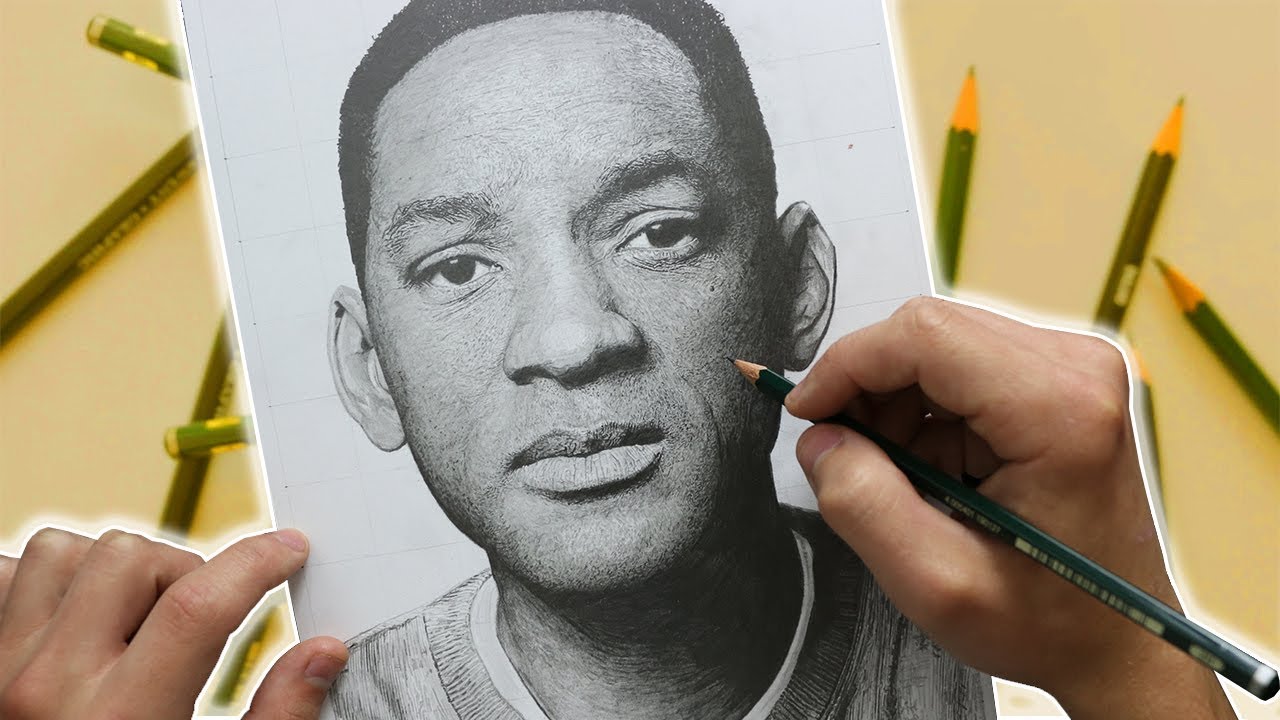
When embarking on the artistic journey of drawing examples of form, one delves into a realm replete with depth, dimension, and dynamic representation. Understanding form is paramount for any aspiring artist, as this constitutes the bedrock of creating lifelike drawings. Below, we explore the varied dimensions of form and the captivating genres through which it can be expressed.
1. Understanding the Essence of Form
The concept of form transcends mere outlines and shapes. It embodies three-dimensionality, encompassing volume and mass. An artist’s ability to depict form convincingly entails an acute awareness of light, shadow, and perspective. Form can be characterized into geometric forms, such as cubes and spheres, and organic forms that follow the contours of nature, like human figures and plants. For a novice artist, mastering these elements is both a challenge and a delightful endeavor.
2. Types of Forms
Forms can be broadly categorized into two main types: organic and geometric. Each offers unique challenges and aesthetic joys.
- Geometric Forms: These forms include shapes such as cubes, cylinders, and spheres, which are mechanical and rigid. Artists often employ geometric forms in abstract art or in constructing the foundational aspects of more complex designs. Understanding their properties aids in constructing perspective and foreshortening techniques that provide depth.
- Organic Forms: In contrast, organic forms are those found in nature—soft, flowing, and often irregular. They mirror living creatures, foliage, and natural landscapes. Artists who capture organic forms often aim to evoke emotion through fluidity and imperfection, celebrating the untamed beauty of the natural world.
3. Techniques to Illustrate Form
Diverse techniques can be employed in illustrating forms effectively. Each technique serves as a tool to breathe life into the lifeless surface of paper.
- Shading: Mastery of shading techniques, such as hatching, cross-hatching, and stippling, is crucial for conveying light and shadow. Shading creates the illusion of depth, enabling viewers to perceive three-dimensional shapes on a two-dimensional plane.
- Line Weight Variation: By varying the thickness of lines, artists impart a sense of depth and dimension. Thicker lines can signify closer objects or areas of shadow, while finer lines can depict lighter tones and distant backgrounds.
- Perspective Techniques: Implementing one-point and two-point perspective is critical for illustrating depth. A keen understanding of vanishing points and horizon lines will foster the accurate and compelling representation of forms.
4. Drawing Real-Life Examples of Form
Now, let us delve into the practical aspect of drawing forms by examining a few quintessential examples.
- The Human Figure: Human anatomy is an intricate study of form. Each pose and gesture encapsulates a story, a movement in time. Artists are encouraged to sketch using live models, focusing on proportion, posture, and the interplay of light across the body. This process enhances not just observational skills but also an appreciation of form in motion.
- Still Life Arrangements: By arranging objects like fruits, vases, or everyday utensils, artists can explore how different forms interact. Attention is paid to their placement, relative size, and how light falls upon them. Creating depth can be achieved by positioning objects in a triangular composition, a classic strategy that leads the eye and emphasizes form.
- Natural Forms: Drawing from nature, such as trees, flowers, and landscapes, opens up a realm of organic forms. Focus on capturing the nuances of texture, the way light filters through leaves, or how shadows dance across the ground provides an opportunity to display each form’s uniqueness.
5. Exploring Advanced Concepts
Once the basics of form are mastered, artists can explore more nuanced concepts. The idea of ‘form versus shape’ becomes vital; while shape refers to a two-dimensional aspect without depth, form encompasses three-dimensionality. Artists can also explore concepts of ‘negative space’ and how it interacts with form, enhancing the overall composition by understanding what is not present and its effect on perception.
6. Artistic Styles that Embody Form
Artistic movements have embraced the concept of form in diverse ways, each offering a unique lens through which to explore representation. Impressionism, for example, focuses on the effects of light and color on form, while Cubism distorts and fragments forms into abstract geometric shapes. Understanding these styles provides inspiration and broadens artistic perspectives.
7. Concluding Thoughts
In the expansive world of drawing, understanding and illustrating form stands as a foundational pillar that supports all artistic endeavors. By mastering the techniques to draw both geometric and organic forms, artists deepen their creative capabilities. This journey invites one into a world filled with possibilities and unyielding explorations, leading to profound personal growth and a deeper appreciation for the essence of visual storytelling. With practice and perseverance, the synthesis of observation and technique will flourish, rendering the artist adept at manifesting the marvels of form onto canvas.