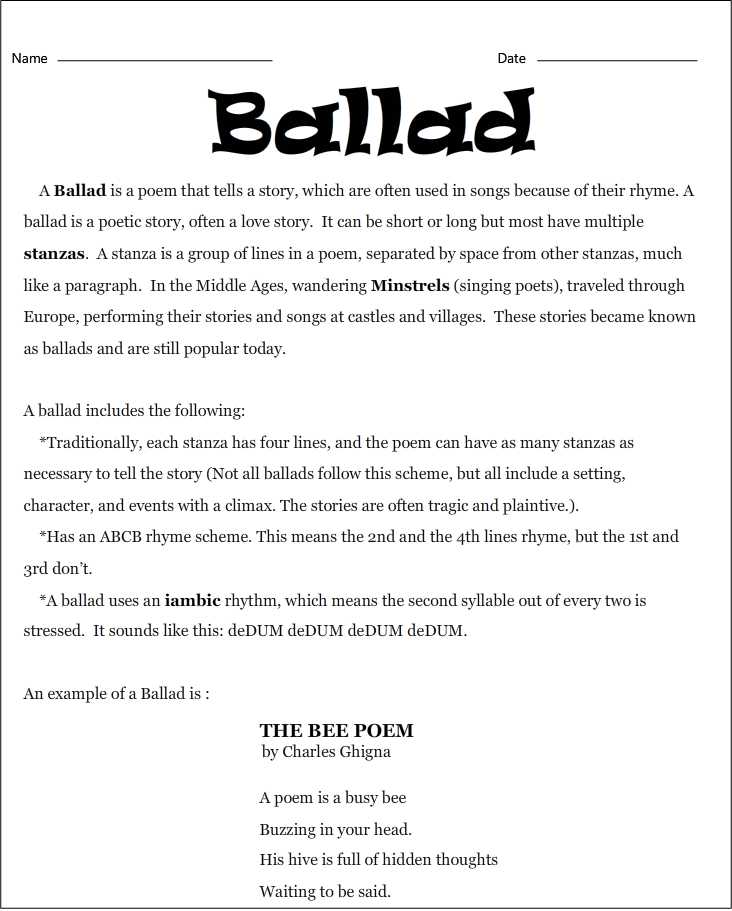
Ballads are an exquisite form of narrative poetry, steeped in history and rich with emotional depth. They serve as a bridge between folk tradition and literary craftsmanship, allowing poets to convey compelling stories through rhythmic patterns and vivid imagery. The hallmark of ballads lies not merely in their narrative but also in their structural elegance, typically featuring quatrains and maintaining a consistent rhyme scheme. This artful construction serves to enhance the lyrical quality, inviting readers to immerse themselves in both the story and the sound.
A classic characteristic of a ballad is its ability to evoke strong emotions through evocative metaphor. The metaphor acts as a window into the deeper meanings and complex sentiments of the poet’s heart. For example, consider the metaphor of a “weaving loom”—an image that could represent the intricate threads of fate interlacing the lives of the characters. Such metaphors not only embellish the narrative but also resonate with universal experiences, drawing readers into a shared emotional landscape.
Central to understanding ballads is appreciating their genesis in oral tradition. Oftentimes, these poems were composed to be sung, recounted in taverns, or shared around fires. This communal aspect imbues ballads with an inviting charm, as they invite listeners to engage with the storytelling process actively. Each recitation can vary slightly, lending the ballad a living, breathing quality—one that evolves over time while reflecting the culture from which it springs.
As we delve deeper, it is essential to explore the unique appeal that ballads hold within the realm of poetry. One notable feature is their simplicity, which belies a profound sophistication. Ballads often tackle serious themes such as love, tragedy, and loss, yet they do so using language that is accessible and relatable. This juxtaposition enables readers from various backgrounds and eras to find resonance within the verses. While Shakespeare may charm with intricate iambic pentameter, the ballad invites all poets to reflect their human condition through poignant yet straightforward expressions.
An exemplary illustration of a ballad is “The Rime of the Ancient Mariner” by Samuel Taylor Coleridge. This lengthy narrative poem encapsulates the plight of a mariner who faces dire consequences after committing the unforgivable sin of killing an albatross. The metaphor of the albatross becomes a powerful symbol throughout the poem, representing not only the burden of guilt but also the connection between humanity and nature. Coleridge’s ballad is rich with vivid imagery; readers can almost taste the salt of the sea and feel the oppressive weight of sin clinging to the mariner as he traverses through a nightmarish odyssey. The rhythmic repetition enhances this sense of despair, making every line resonate with emotional intensity.
Ballads also often incorporate a dialogue structure, allowing characters to express their thoughts and emotions in their own voices. This technique further enriches the narrative, giving weight to the expressed sentiments and adding layers of complexity to the underlying themes. A poignant example can be found in “Barbara Allen,” a traditional Scottish ballad. Within its verses, the dialogue between Barbara and her dying lover encapsulates themes of love, regret, and mortality. The interplay of voices creates a palpable tension, drawing readers into the emotional turmoil that evolves throughout the story.
As we navigate the landscape of ballad poetry, we encounter intriguing variations and adaptations that expand upon the traditional form. Contemporary poets have revisited the ballad structure, infusing it with modern sensibilities while retaining its narrative essence. This genre fluidity is evidenced in the works of influential poets such as Langston Hughes and Maya Angelou, who capture contemporary struggles and triumphs through the time-honored ballad format.
The ballad’s appeal lies not solely in its ability to weave tales of sorrow and joy but also in its capability to create a communal experience. Gathering around to recite or sing ballads fosters connections among listeners, transforming solitary engagement into a shared journey. The communal nature of ballad recitation is reminiscent of age-old storytelling traditions, where collective experiences bind people together, celebrating commonalities while acknowledging individual stories.
Ultimately, the beguiling nature of ballads manifests not only through their lyricism but also through their capacity to evoke reflection and introspection. Each ballad serves as a mirror, reflecting cultural mores, historical contexts, and personal emotions. The unique blend of narrative and poetic devices compels readers to consider their own experiences and how these relate to the broader human narrative.
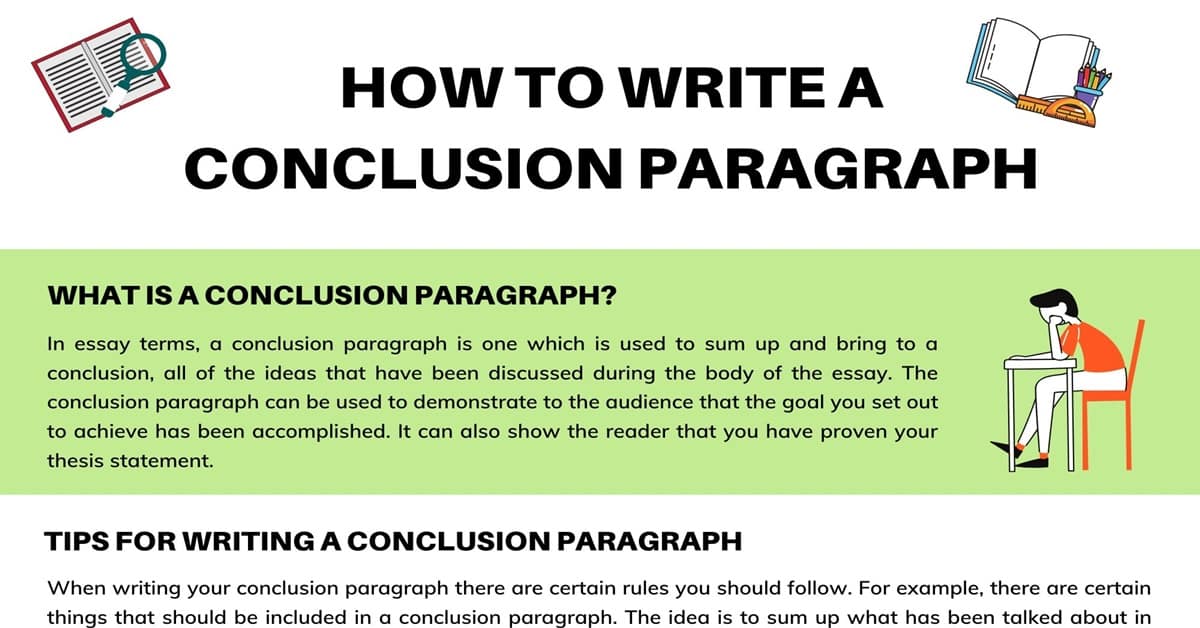
In conclusion, ballads present an intriguing tapestry of storytelling and poetic expression. Their ability to marry emotional resonance with rhythmic elegance offers readers an immersive experience that transcends time and space. Whether through timeless classics or contemporary reinventions, the allure of ballads remains palpable—a powerful testament to the enduring power of narrative poetry. As they continue to evolve, the intrinsic charm of ballads will no doubt captivate future generations, inviting them to explore the rich, layered meanings embedded within each verse.