
Business communication is an art that demands clarity, professionalism, and a certain finesse. The business letter, a formal mode of correspondence, is a quintessential tool in the corporate world. In this exploration of an exemplary business letter, we will delve into its structure, significance, and the subtle nuances that can elevate a mere message into an impactful piece of communication.
At its core, a business letter serves various purposes. It may be a request, a complaint, a proposal, or even a strategic move to establish or maintain relationships. Understanding the quintessence of a business letter is paramount; it is more than just a means to convey information; it is a vessel for your brand’s ethos and professionalism.
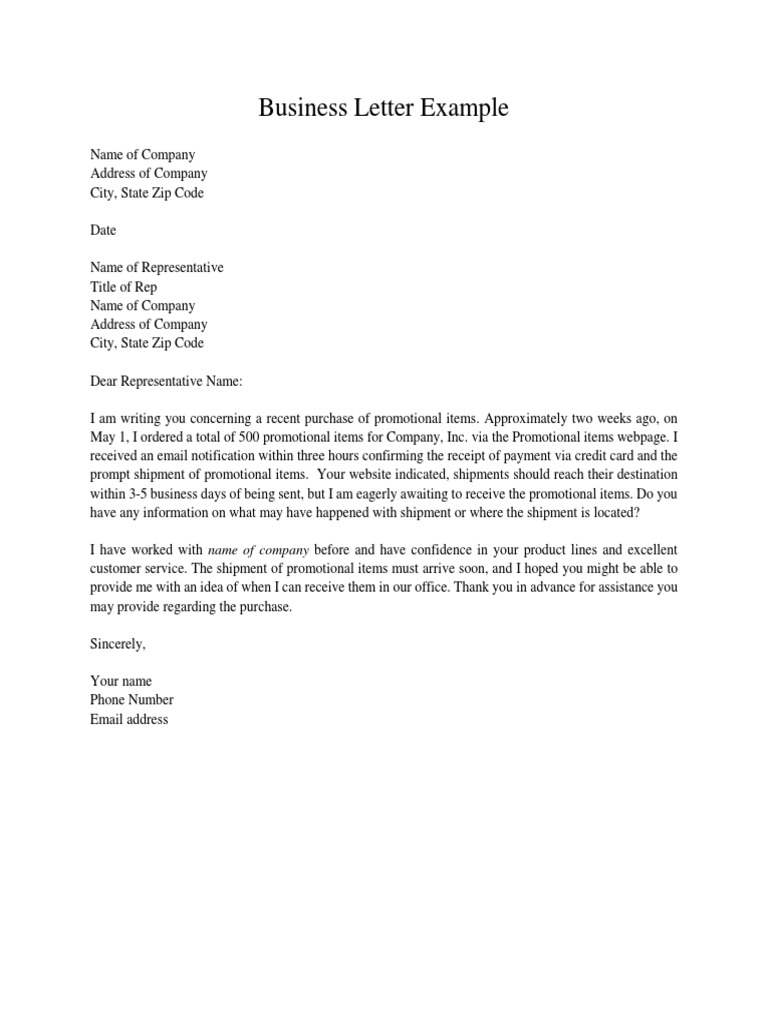
When composing a business letter, the format is paramount. It serves as the skeletal structure that supports the entire message, ensuring clarity and coherence. An exemplary business letter typically adheres to a standard format that includes the following components:
- Your Address: The sender’s address should be placed at the top, aligned to the right or left margin. This inclusion not only provides context but also ensures the recipient knows who the communication is from.
- Date: The date should follow the sender’s address, indicating when the letter was penned. This detail is critical for record-keeping and referencing.
- Recipient’s Address: Following the date, the recipient’s name, title, and address need to be clearly stated. This personalization further establishes a connection with the reader.
- Salutation: The greeting is the first point of direct engagement with the recipient. Utilizing “Dear [Name]” is a standard approach, honoring the recipient’s position and individuality.
- Body of the Letter: The crux of the letter, where the main message is articulated. It should be organized in a manner that is logical and engaging.
- Closing: Concluding the letter with a courteous closing phrase such as “Sincerely” or “Best regards” solidifies the respectful tone of your correspondence.
- Signature: Finally, the sender’s handwritten signature (if sending a hard copy) followed by their printed name and title reinforces authenticity.
Having established the fundamental components, one must consider the tone and language utilized throughout. Language in a business letter should neither be overly formal nor excessively casual. Striking a balance is essential; the inclusion of sophisticated vocabulary can demonstrate professionalism, yet clarity must never be sacrificed for complexity. It is advisable to be concise while still being articulate, thus captivating the recipient’s interest while facilitating comprehension.
As you navigate the body of the letter, it is beneficial to structure your paragraphs effectively. Begin with an introduction that succinctly states the purpose of your correspondence. This brief overview piques the recipient’s interest, enticing them to read further. In the subsequent paragraphs, delve into the specifics of your message. Here lies the opportunity to weave in pertinent details, elucidating your requests or intentions. Conclusively, you should provide a strong closing statement that articulates any anticipated outcomes or calls to action.
Another critical aspect of a business letter is presenting a valuable proposition without overwhelming the reader. Imagine, for instance, a company reaching out to a potential client to propose a partnership. Instead of merely outlining the benefits, the correspondence could include intriguing statistics or case studies that underscore the potential synergies. This shift in perspective—from stating facts to narrating a story—can transform a mundane letter into a compelling read.
Moreover, the visual layout of your letter speaks volumes. A clean, organized format complemented by appropriate white space can enhance readability and make your letter aesthetically pleasing. Choose an elegant font and maintain consistent margins. Visual appeal can foster a favorable first impression, reinforcing the message conveyed within the text.
To prime the reader for what lies ahead, consider an engaging introduction. A well-crafted opening is not merely functional; it should draw the recipient in, igniting curiosity or prompting them to consider the ramifications of your proposal. Utilizing questions or thought-provoking statements can effectively capture attention and stimulate a mindset conducive to openness and engagement.
Furthermore, one must not overlook the significance of customizing the business letter. Each recipient is unique, and acknowledging their specific needs or interests can pave the way for a better rapport. This personalization could manifest in the tone, specific anecdotes, or even references to previous interactions, affirming that you value the recipient’s individual context.
In the conclusion of the letter, reiterate any expectations and emphasize the opportunity for further dialogue. This final touch is crucial—it invites continued communication and underscores your commitment to the relationship being developed. Consider phrases that invite the recipient to connect. For example, “I look forward to discussing this proposal in further detail” can elicit a more positive response.
In summation, a business letter is much more than a simple mode of communication; it is a strategic tool that can shape perceptions and foster relationships. By adhering to a structured format, employing clear yet sophisticated language, and personalizing your message, you can create a business letter that resonates with the recipient, engenders curiosity, and promises a shift in perspective. This endeavor may seem daunting, yet the potential to influence, connect, and inspire through words is a reward that is undeniably worthwhile.













