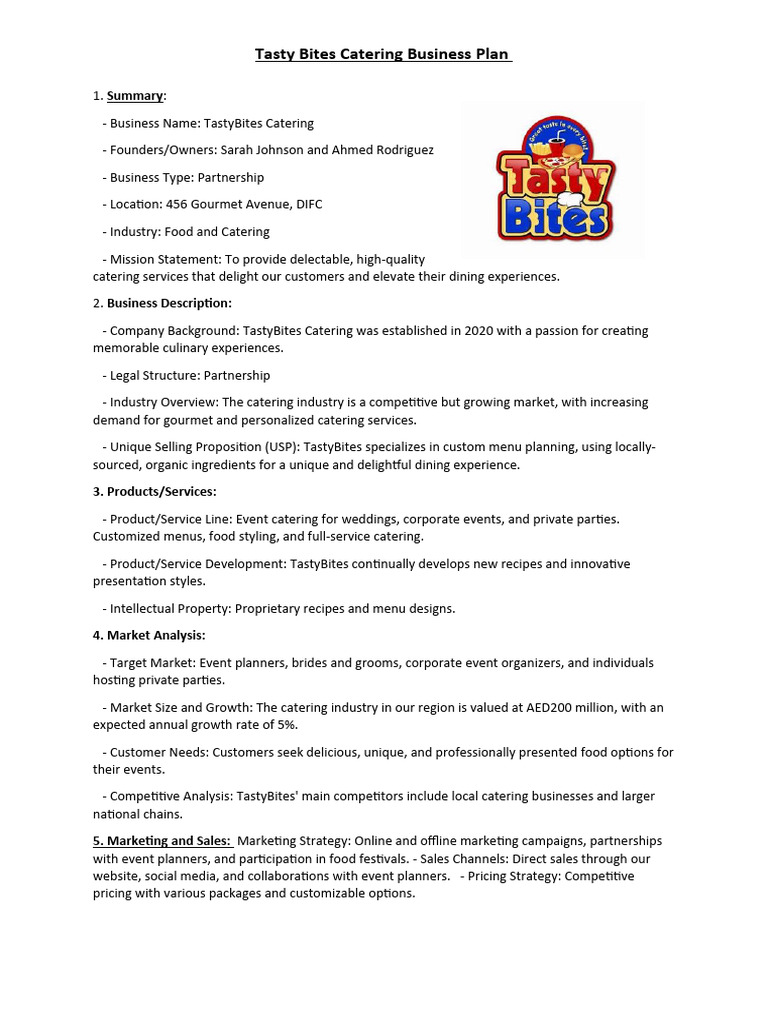
The conception of a business plan is often met with a blend of intrigue and hesitance. This seemingly simple document serves as a navigational chart in the tumultuous ocean of entrepreneurship. While many perceive it as a mere formality, it stands as a profound testament to one’s vision, strategy, and operational methodology. Understanding the intricacies of a robust business plan can illuminate the often-overlooked nuances of business dynamics.
A conventional business plan typically encompasses several critical components, each of which reveals deeper insights into the operations and motivations of an enterprise. Such elements not only reflect the ambition of the entrepreneur but also signify an understanding of the market’s complex tapestry. Here, we delve into the quintessential components of a compelling business plan, unraveling the layers of thought that underpin each segment.
1. Executive Summary
The executive summary functions as the business plan’s pièce de résistance. It is where intelligence meets eloquence, encapsulating the essence of the entire document in a digestible format. This section outlines the business’s trajectory, goals, and strategic vision. A well-crafted executive summary not only piques the reader’s interest but also establishes an emotional connection, making it clear why the venture is both valuable and viable.
2. Company Description
This segment provides a thorough introduction to the enterprise, delving into its mission, vision, and values. More than just a facade, the company description illustrates the unique position the business intends to carve out in the industry. It should also reflect the company’s history, the background of its founders, and the circumstances that inspired its inception. This narrative can be both compelling and enlightening, as it lays the groundwork for what follows.
3. Market Analysis
Diving into market analysis unveils the landscape in which the business will operate. It encompasses a comprehensive examination of industry trends, target demographics, and competitive analysis. Herein lies the allure of data; it serves as the foundation upon which strategic decisions are made. A nuanced understanding of market conditions, consumer behaviors, and competitor positioning allows entrepreneurs to craft informed strategies that are responsive to external forces.
4. Organization and Management
Shedding light on the organizational structure, this section elucidates roles and responsibilities within the company. It often includes an organizational chart, which visually represents the relationships and hierarchies that govern operations. Assessing human resources through this lens reveals the underlying philosophy regarding leadership and collaboration. Ultimately, this segment not only conveys professionalism but also indicates the potential for sustainable growth through effective management.
5. Service or Product Line
At the heart of every enterprise lies its offering—be it a product, service, or both. In this section, the details of the business’s offerings come to the forefront, showcasing innovation and addressing market demands. A thorough exposition of the benefits, differentiators, and lifecycle of the offerings is fundamental. Furthermore, this segment offers insights into production processes, intellectual property considerations, and any planned future developments, tempting the reader with possibilities for expansion and evolution.
6. Marketing and Sales Strategy
A well-defined marketing and sales strategy acts as the lifeblood of the business. This is where creativity intertwines with statistical acumen. By outlining the methods for attracting and retaining customers, entrepreneurs can demystify their approach to gaining market traction. This may include traditional advertising, digital campaigns, social media engagement, and experiential marketing. Each tactic reveals a deeper understanding of consumer wants and behavior, forging a path towards customer loyalty.
7. Funding Request
Whether seeking seed funding or preparing for a significant round of investment, articulating the funding request signifies clarity and decisive leadership. Entrepreneurs must specify their financial requirements clearly, presenting a compelling case as to why investors should pour resources into their enterprise. This segment must convey not only the immediate financial needs but also the anticipated returns on investment, creating a symbiotic relationship between risk and reward.
8. Financial Projections
The financial projections section serves as a crystal ball into the business’s future, encompassing forecasts for income, profits, and cash flow. This section must be not only realistic but also optimistic, underpinned by careful analysis and reasonable assumptions. Investors often scrutinize these data points, seeking a plausible trajectory that aligns with their risk profile. Providing detailed financial statements and relevant industry benchmarks can enhance credibility and transparency.
9. Appendix
Finally, the appendix serves as a repository for additional documents that substantiate the claims made throughout the business plan. This could include resumes, legal agreements, detailed market studies, and any other ancillary information that strengthens the proposal. While not mandatory, a comprehensive appendix can enrich the narrative, lending further dimension and integrity to the overall presentation.
In conclusion, a business plan transcends its function as a mere document; it is an evocative blueprint for entrepreneurial endeavor. When meticulously crafted, it becomes a navigator, guiding ventures through the myriad uncertainties of the business terrain. As potential investors or partners peruse its contents, they are not simply reading a plan; they are experiencing a vision, one that resonates with ambition and possibility. This document, emblematic of hope and strategy, warrants meticulous attention, as it lays a foundation upon which dreams can flourish.