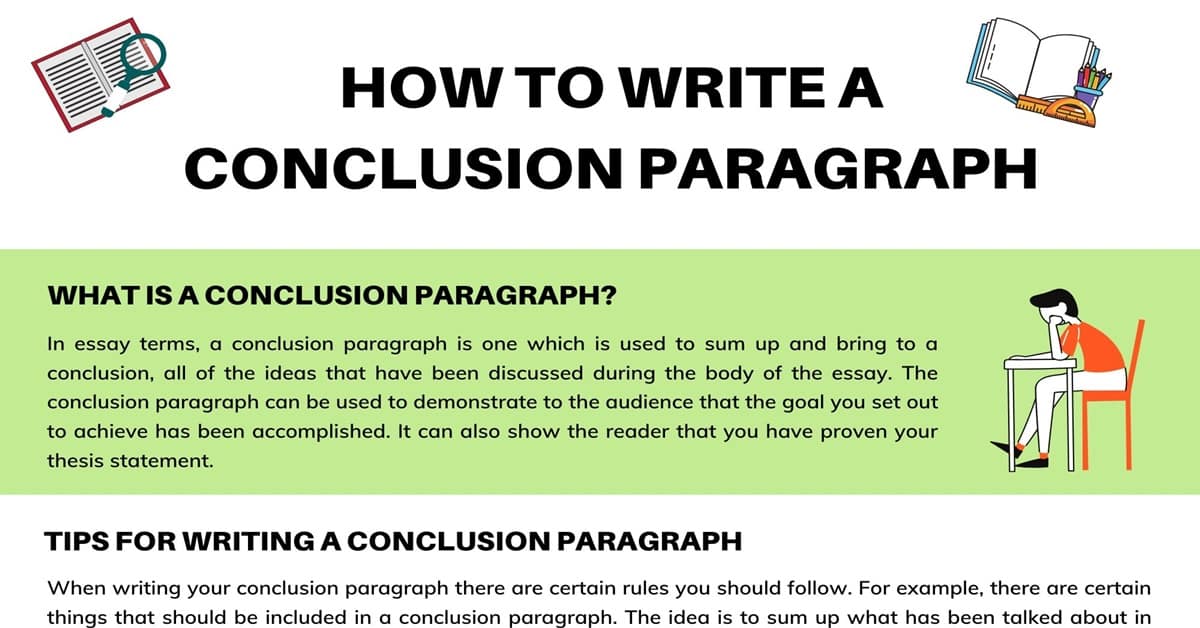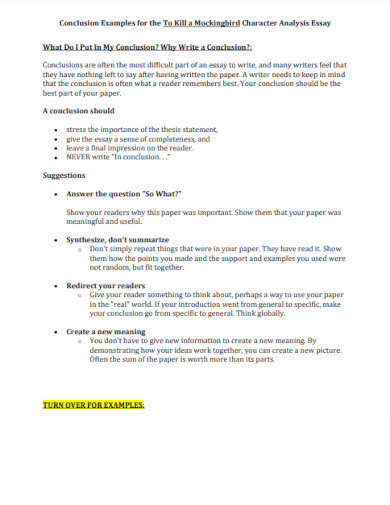
Concluding sentences play a pivotal role in the structure of writing, serving as the final word on a specific idea. They encapsulate the essence of the preceding information, leaving readers with a lasting impression. Crafting a compelling concluding sentence is paramount, as it can significantly enhance the clarity and effectiveness of a piece. This article delves into various examples of concluding sentences, illustrating their versatility across different types of content.
1. The Role of Concluding Sentences
At its core, a concluding sentence wraps up the main idea of a paragraph. It provides a sense of closure, allowing the reader to form a cohesive understanding of the message being conveyed. A well-crafted concluding sentence can reiterate key points, tie together disparate ideas, or inject a call-to-action, urging the reader to adopt a particular perspective. For instance, in an argumentative essay, a concluding sentence might encapsulate the thesis, reinforcing the argument with a powerful statement.
2. Concluding Sentences in Expository Writing
In expository writing, where the goal is to inform or explain, a concluding sentence should succinctly summarize the information presented. Consider the following example:
“In conclusion, the photosynthesis process is vital to life on Earth, transforming solar energy into chemical energy and sustaining myriad ecosystems.”
This sentence effectively encapsulates the main idea while reinforcing the importance of the discussed topic, ensuring that the reader walks away with a clear understanding.
3. Concluding Sentences in Narrative Writing
Narrative writing often requires a more creative and engaging approach to concluding sentences. Here, the aim is to evoke emotions or reflections, providing closure not only to the story but also to the reader’s experience. For example:
“As the sun set over the horizon, casting a golden glow over the path ahead, she realized that every ending is merely a new beginning.”
This concluding sentence resonates with readers, inviting them to reflect on the journey taken throughout the narrative and consider the broader implications of the events described.
4. Persuasive Concluding Sentences
In persuasive writing, a concluding sentence often serves as the rallying cry, compelling the audience to take action or reconsider their stance. A potent example might read:
“By investing in renewable energy, we not only safeguard our planet’s future but also pave the way for a sustainable economy that benefits generations to come.”
This sentence strengthens the argument while instilling a sense of urgency, leaving the reader inspired to act upon the information presented.
5. Logical Transitions in Concluding Sentences
Crafting a concluding sentence requires an understanding of transitions as well. A logical transition aids in guiding the reader smoothly from one thought to the next. For instance:
“Ultimately, the evolution of technology is not only a reflection of human ingenuity but also a testament to our capacity for adaptation and growth.”
This kind of concluding sentence effectively connects the previous ideas while providing a firm summation of the main points discussed.
6. Emotional Impact of Concluding Sentences
Wielding emotional appeal can elevate the impact of a concluding sentence. For example:
“In the end, it wasn’t just about winning; it was about the friendships forged and the memories created that truly defined the journey.”
This sentence resonates on an emotional level, reminding readers of the underlying themes in the narrative that transcend mere competition.
7. Creating a Sense of Urgency
Concluding sentences are also effective in instilling a sense of urgency. This is especially relevant in persuasive writing. Consider:
“If we act now, we can reverse the detrimental effects of climate change and secure a healthier planet for future generations.”
Such a sentence prompts immediate reflection and action, making it a powerful tool in advocacy and persuasive contexts.
8. Reflections in Concluding Sentences
Reflective concluding sentences provide space for contemplation, enabling readers to connect personal implications to the larger narrative. An example might be:
“As we navigate our lives, let us remember that every choice we make has the potential to shape the world around us.”
This concluding thought invites introspection, encouraging readers to internalize the message on a personal level.
9. Concluding Sentences in Academic Writing
In academic writing, a precise and clear concluding sentence reinforces the validity of the research or arguments presented. For instance:
“Thus, the findings suggest that early intervention in educational settings significantly enhances student performance and long-term success.”
This conclusion not only summarizes the research findings but also emphasizes their implications in a conclusive yet scholarly manner.
10. Summary of Key Elements for Effective Concluding Sentences
To sum up, effective concluding sentences share several key elements: they summarize key ideas, evoke emotion, provide closure, and inspire action or reflection. By incorporating these components, writers can enhance the impact of their concluding remarks, leaving readers with a clear and lasting impression of the content. Whether the writing is expository, narrative, persuasive, or academic, a powerful concluding sentence is an essential component of effective communication.
Ultimately, mastering the craft of creating concluding sentences can lead to more polished, cohesive, and impactful writing. As writers refine their ability to convey thoughts to readers, the concluding sentence serves as the final brushstroke on a meticulously crafted canvas.