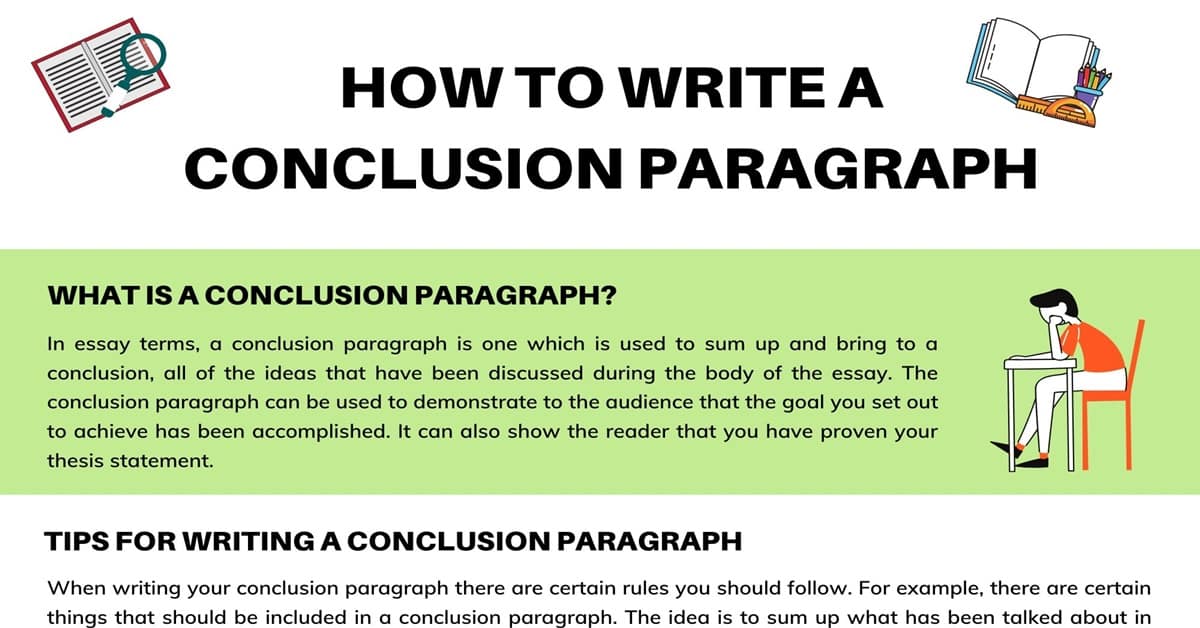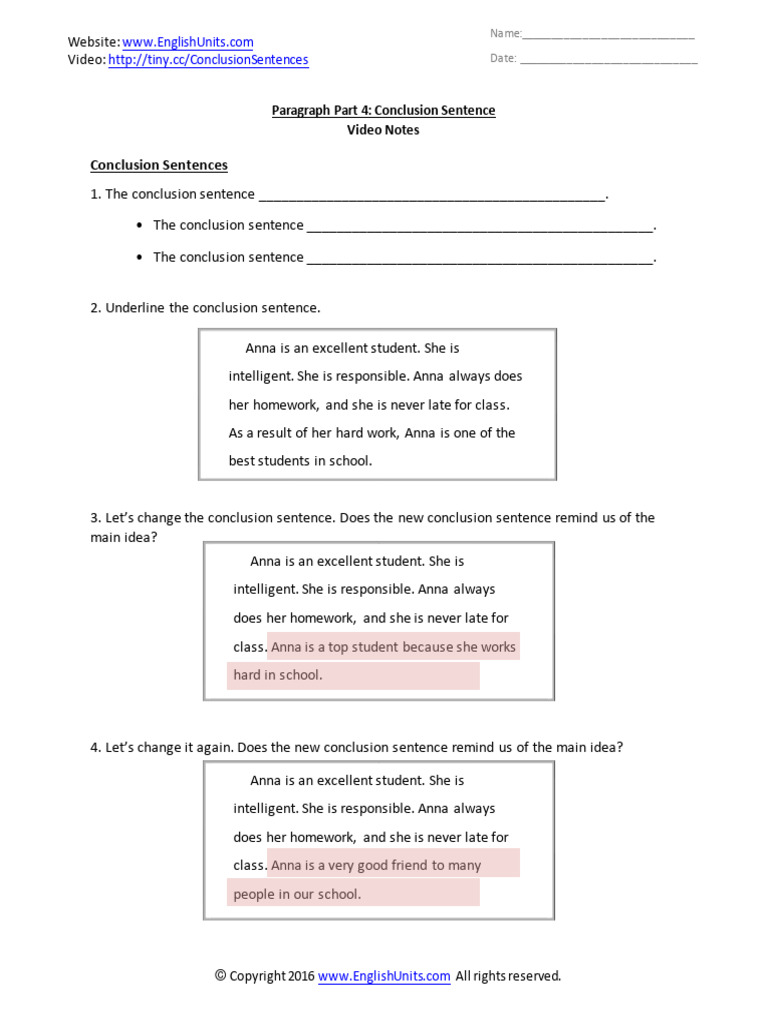
In the tapestry of writing, the conclusion serves as the final brushstroke that ties together the entire narrative, leaving an indelible mark on the reader’s mind. It is far more than merely summarizing; it is the moment where possibilities unfold, inviting the audience to ponder new perspectives and contemplate the future. To illustrate the power of a conclusion sentence, we begin with an exploration of its multifaceted roles in various contexts, culminating in specific examples that promise a profound shift in understanding.
The Essence of a Conclusion Sentence
At its core, a conclusion sentence encapsulates the main ideas presented in a piece while simultaneously offering a glimpse into what lies beyond. It acts as a beacon, guiding the reader towards a new light of comprehension. To write an effective conclusion sentence, one must weave together the strands of argumentation, elucidate the implications of the discussion, and fuel curiosity about further inquiries.
The Art of Reiteration and Expansion
A conclusion sentence should adeptly reiterate key points without descending into redundancy. Instead of merely rehashing facts, it expands upon them, showcasing their relevance and potential ripple effects in a broader context. For instance, after discussing climate change, a conclusion might capitalize on its weighty implications: “As we stand at the precipice of irreversible environmental shifts, our collective choices today will reverberate across geographical boundaries and generations.” This sentence not only summarizes the urgency but also invites the reader to consider their personal role in tackling such a global crisis.
Piquing Curiosity with Questions
Another effective technique in crafting conclusion sentences is the incorporation of rhetorical questions that provoke thought and reflection. These queries can challenge readers, encouraging them to ponder deeper issues than those initially presented. For example: “What if reconnecting with nature not only transformed our planet but our very souls? As we explore sustainable practices in our daily lives, we might uncover a profound harmony that has long eluded modern existence.” This format enhances engagement by steering the reader towards uncharted territories of thought.
Weaving Stories and Future Visions
Conclusion sentences can also encapsulate narratives that resonate on a personal level, allowing readers to envision the broader implications of their own experiences. Consider a piece discussing the power of resilience: “In the face of adversity, each of us transforms our struggles into a mosaic of strength, crafting a future where creativity flourishes from hardship.” This sentence not only resolves the subject of resilience but also inspires self-reflection and optimism for the future.
Contrast for Enhanced Perspectives
Additionally, employing contrast in a conclusion sentence can provoke thought and challenge prevailing assumptions. A well-crafted sentence may juxtapose comfort and discomfort, leaving readers with a lingering emphasis on choice. For example: “While the warmth of complacency beckons seductively, it is often the cold winds of challenge that forge our most formidable selves.” Such a sentence propels the reader to reconsider their perceptions of comfort and discomfort in their journey towards growth.
Creating an Open-Ended Paradigm
Masterfully crafted conclusion sentences often hinge on the formulation of open-ended statements, allowing for ambiguity that invites further inquiry. Imagine concluding a discussion on technology’s impact on society with: “As we navigate this digital revolution, we must grapple with the question: what price are we willing to pay for connectivity?’ This type of conclusion not only resonates with themes of modern existence but also lays fertile ground for future exploration.
Conclusion Sentence Examples Across Contexts
To better illustrate the efficacy of conclusion sentences, here are tailored examples spanning various genres:
- Academic Writing: “Ultimately, this study underscores the necessity for innovative approaches in education, challenging us to redefine metrics of success in an ever-evolving landscape.”
- Creative Writing: “And as the last light of day flickered out, she realized that sometimes, the most beautiful endings are simply new beginnings waiting to unfold.”
- Persuasive Writing: “In light of the evidence presented, it is clear that advocating for renewable energy sources isn’t merely an option; it is an imperative for the survival of future generations.”
- Reflective Writing: “As I look back at the choices made and paths taken, I cannot help but wonder how different my life might be if I had embraced risk rather than safety.”
Final Thoughts
A well-executed conclusion sentence is pivotal in any form of writing, whereby it not only encapsulates the gist but also projects an intriguing horizon of possibilities. By marrying reiteration with curiosity, weaving individual narratives with broader societal implications, and carefully crafting contrasts and open-ended inquiries, conclusion sentences transform mere endings into gateways for expansive thought. As writers, harnessing the potential of conclusion sentences can turn our work from mere words on a page into powerful catalysts for change and reflection, forever etched in the reader’s psyche.