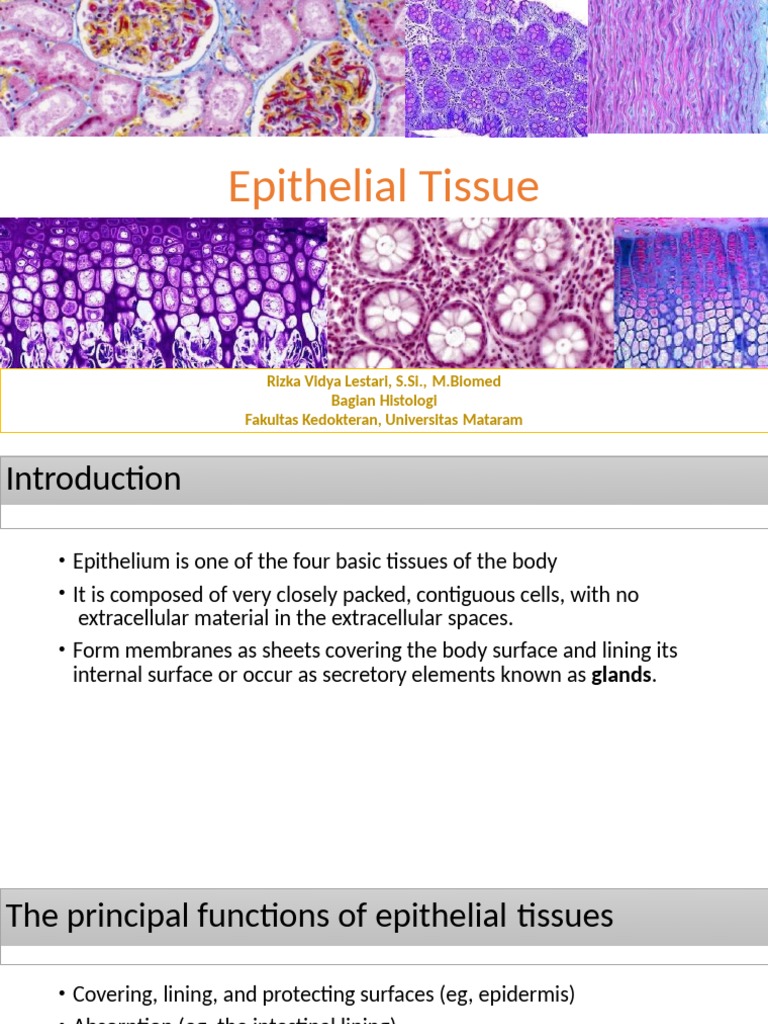
Epithelial tissue, an essential component in the architecture of complex organisms, exhibits remarkable diversity and specialization. This form of tissue lines both the external and internal surfaces of the body, serving as a protective barrier, an interface for absorption and secretion, and ultimately, a dynamic contributor to homeostasis. Below, we delve into a captivating exploration of one prominent example of epithelial tissue: simple squamous epithelium.
1. Defining Simple Squamous Epithelium
Simple squamous epithelium comprises a single layer of flat, scale-like cells. The structure is characterized by its thinness and minimalistic arrangement, allowing for efficient exchange processes. This type of epithelium is unlike stratified varieties, which consist of multiple layers and serve different protective roles. Instead, the simplicity of its design presents an ideal scenario for functions where rapid diffusion is paramount, such as gas exchange in the lungs.
2. Structural Characteristics
Physiologically intriguing, simple squamous cells roughly resemble tiles covering a surface. Each cell is polygonal in shape, contributing to the tight-knit formation of this singular layer. The nucleus typically flattens against the cell’s surface, further accentuating the thinness. The delicate nature of simple squamous epithelium leads to its common presence in areas where diffusion occurs, such as capillaries, alveoli, and glomeruli.
3. Locations of Simple Squamous Epithelium
One might wonder where this fascinating tissue type can be found in the human body. Its locations are as diverse as its functions:
- Alveoli of the Lungs: Here, oxygen and carbon dioxide diffuse through the epithelium into and out of the bloodstream, a process vital for respiration.
- Endothelium: This layer lines blood vessels, offering a smooth surface that facilitates the unobstructed flow of blood and reduces friction.
- Mesothelium: This particular subtype lines cavities within the body, such as the pleural, pericardial, and peritoneal cavities, playing crucial roles in lubricating organs.
- Glomeruli: The kidney’s filtration units feature simple squamous epithelium, which assists in the intricate filtration of blood plasma, allowing for the selective passage of molecules.
4. Functional Significance
As an architectural marvel of biological design, simple squamous epithelium fulfills several essential functions:
- Diffusion: Its thin structure permits molecules – such as gases, nutrients, and waste products – to traverse quickly across the cell layer, facilitating swift filtration and absorption.
- Secretion: In certain locales, this epithelium can also produce serous fluids that lubricate and prevent friction between organ surfaces.
- Sensory Reception: Interestingly, in the lungs, simple squamous epithelium contains specialized cells that can respond to environmental stimuli, enhancing the body’s responsiveness.
5. Clinical Considerations
Understanding simple squamous epithelium extends to appreciating its role in various medical contexts. Disruption of this tissue type can herald significant health challenges:
- Edema: Pathological states where increased permeability could lead to excessive fluid accumulation in bodily cavities, negatively affecting organ function.
- Emphysema: Degeneration of alveolar walls can compromise the simple squamous epithelium, resulting in reduced pulmonary capacity and impaired gas exchange.
- Thrombosis: Endothelial injury may trigger clot formation within blood vessels, highlighting the importance of maintaining the integrity of this tissue.
6. Key Differences from Other Epithelial Types
Contrasting simple squamous epithelium with other epithelial types reveals intriguing variations:
- Simple Cuboidal Epithelium: Unlike the flat profile of squamous cells, these cells are cube-shaped and primarily engage in secretion and absorption, as seen in glands and renal tubules.
- Simple Columnar Epithelium: These taller, column-like cells actively participate in absorption and secretion, often adorned with microvilli or cilia to enhance functionality.
7. Promising a Shift in Perspective
The multifaceted role of simple squamous epithelium in human physiology invites us to reconsider the significance of seemingly simplistic structures. Far from being mere barriers, they engage in complex biological dance, facilitating essential exchanges that underpin life. The humble flatness of simple squamous epithelium represents an exquisite adaptation, allowing life-sustaining processes to unfold seamlessly.
8. Conclusion
Ultimately, the study of simple squamous epithelium offers a deeper appreciation for the intricacies of human biology. This tissue exemplifies how structure and function intermingle harmoniously, crafting an elegant solution to the challenges of living organisms. Understanding such epithelia imbues a sense of admiration and wonder, encouraging further exploration into the captivating world of histology, anatomy, and beyond.
Let us celebrate the beauty found in simplicity, one squamous cell at a time.