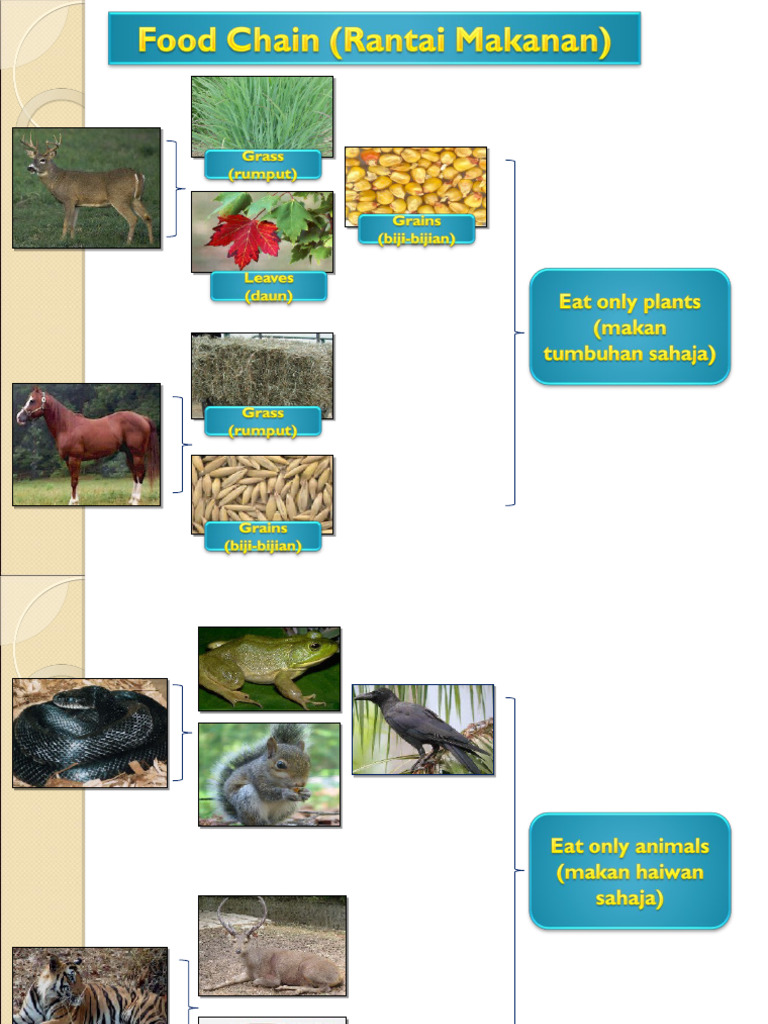
In the intricate web of life that flourishes on our planet, food chains serve as fundamental frameworks that reveal the interdependence of various organisms. These chains illustrate how energy flows through an ecosystem, highlighting the roles of producers, consumers, and decomposers. In this article, we delve into an enlightening example of a food chain, analyzing its components, dynamics, and the broader implications for ecosystems.
Understanding the Basics: Components of a Food Chain
At its core, a food chain is a linear representation of who eats whom in an ecosystem. This biological blueprint comprises three primary categories of organisms:
- Producers: These organisms, primarily plants and phytoplankton, undertake photosynthesis, converting sunlight into chemical energy. They form the foundation of any food chain.
- Consumers: Divided into primary, secondary, and tertiary consumers, these organisms are categorized based on their position in the food chain. Primary consumers are usually herbivores that feed directly on producers, while secondary and tertiary consumers are carnivores or omnivores that prey on other consumers.
- Decomposers: Comprising bacteria, fungi, and detritivores, decomposers play a critical role in breaking down organic matter, returning essential nutrients to the soil and completing the cycle of life.
Example of a Food Chain: The Terrestrial Ecosystem
For a more vivid understanding, consider a quintessential land-based food chain:
- Grass (Producer): This vibrant green entity captures sunlight and converts it into energy through photosynthesis, forming the primary level of our food chain.
- Grasshopper (Primary Consumer): The grasshopper, a quintessential herbivore, grazes on the grass, channeling the energy stored in plant tissues into its own body.
- Frog (Secondary Consumer): The frog, as a carnivorous predator, feeds on grasshoppers, benefiting from the energy that was originally derived from the grass.
- Snake (Tertiary Consumer): The snake preys on the frog, creating a predator-prey dynamic that underscores the fluidity of energy transfer through the food chain.
- Vulture (Quaternary Consumer): At the apex of this food chain, the vulture scavenges remains of the snake, showcasing how energy passes through various layers of consumers.
- Decomposers: Following the death of the vulture or any other organism in this chain, decomposers break down the organic matter, cycling nutrients back into the ecosystem, thereby sustaining the grass and initiating the cycle anew.
The Significance of Food Chains
Food chains are more than mere illustrations of predatory relationships; they serve as indispensable indicators of ecosystem health. The balance between different trophic levels signifies a stable system.
In a robust food chain, a disruption at any level can lead to cascading effects throughout the ecosystem. For instance, a decline in grass populations due to drought or overgrazing can starve grasshoppers, which then impacts the frog population and consequently the snake and vulture.
This interplay underscores the fragility of ecosystems and emphasizes the importance of biodiversity. Each species contributes to the stability of its habitat, enhancing resilience to environmental changes.
Diversity of Food Chains
It’s crucial to understand that food chains are not uniform; they vary remarkably across different ecosystems. Aquatic food chains, for example, often begin with phytoplankton, followed by zooplankton, small fish, larger fish, and apex predators such as sharks or dolphins. The marine environment illustrates a complex web rather than a simple chain.
Similarly, desert food chains may emphasize the roles of succulents, insects, small mammals, and birds of prey. Each ecosystem’s food chain reflects its unique climatic conditions, available resources, and dominant life forms.
Human Impact on Food Chains
As guardians of the environment, humans wield significant influence over food chains. Agricultural practices, urbanization, and pollution can dramatically alter these natural structures. Overfishing in marine ecosystems, for instance, not only affects targeted species but can lead to a perilous imbalance, affecting entire marine food webs.
Moreover, habitat destruction can eliminate producers, thereby hindering energy transfer from one trophic level to the next. Conservation initiatives are vital to restoring and protecting these food chains, ensuring the sustainability of the ecosystems that benefit us all.
Conclusion: The Cyclical Nature of Life
The exploration of food chains reveals the seamless connections that exist among various organisms. Understanding these links empowers us to appreciate the complexity of ecosystems and the importance of preserving biodiversity. They serve not merely as a simple depiction of energy flow but as reminders of the intricate dance of life that occurs in even the most unassuming corners of our world.
As we contemplate our role within these chains, it becomes evident that safeguarding the delicate balance of nature is essential not only for our survival but for sustaining the myriad forms of life that share our planet.