When crafting a great resume, think of it as a well-composed symphony—a harmonious arrangement of notes that comes together to create a delightful experience for the observer. Each section needs to play its part, transitioning smoothly into the next, presenting the candidate not merely as an applicant, but as the conductor of their professional narrative.
A stellar resume captures attention like a vivid painting in a gallery. It draws the eye, captivates the spirit, and urges the viewer to step closer, to examine the fine details of the artist’s work. Just as an artist must select the perfect hues to depict their vision, so too must a job seeker carefully choose their words and format to convey their unique story.
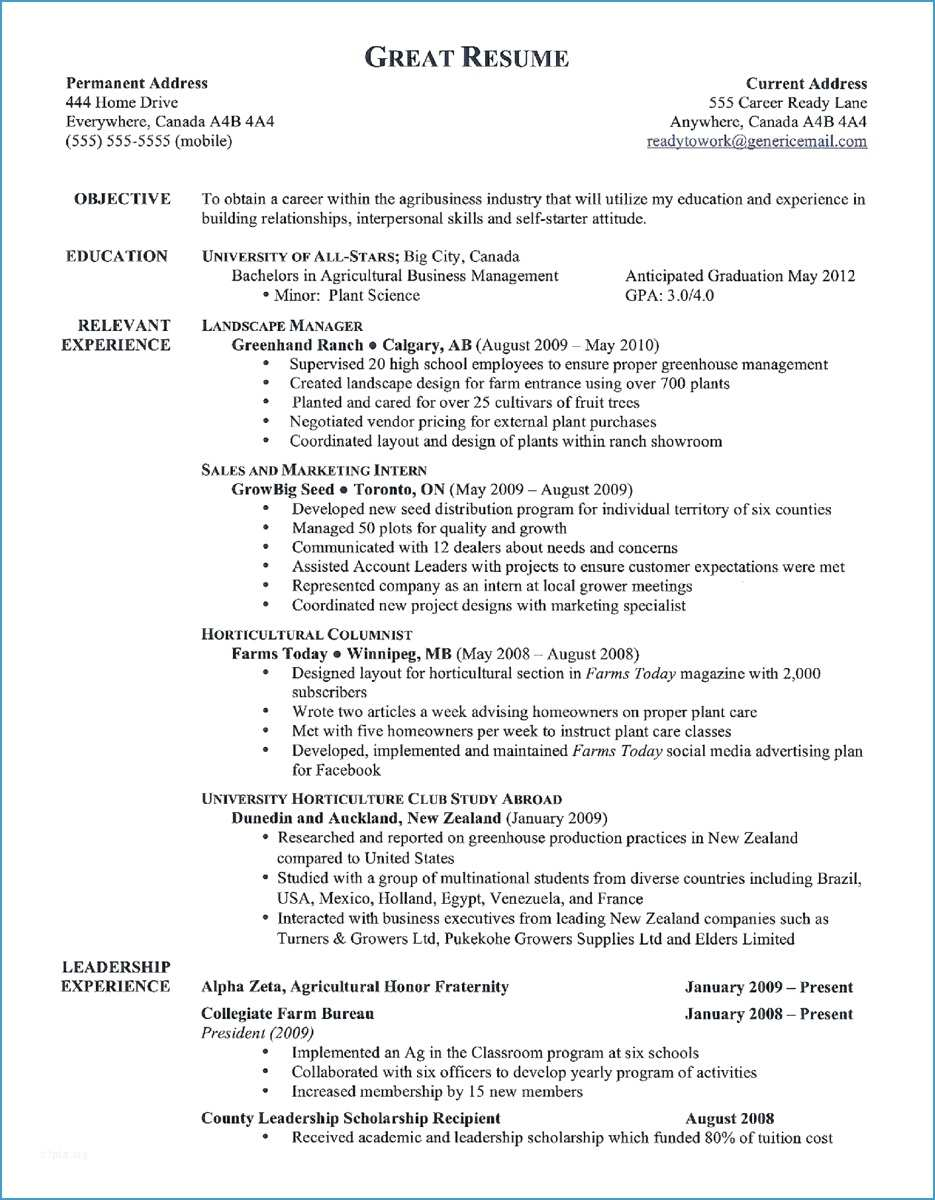
Consider the layout of your resume as the canvas upon which your career masterpiece is painted. A well-structured layout is as vital as the right colors in a portrait. Utilizing a clean, modern design with clear headings allows the hiring manager to navigate effortlessly through your professional life. This layout should possess an innate elegance, showcasing your accomplishments without overwhelming the viewer with excessive clutter.
Begin with a strong, attention-grabbing header. This is your personal banner, akin to a ship’s name on the hull—letting others know who you are. Your name should be prominently displayed, followed by your contact details. Ensure that your email address is professional, as it is the equivalent of a courteous handshake, setting the tone for all subsequent interactions.
Next, your objective or summary statement serves as the prologue to your career story. This is your chance to captivate interest through a concise yet compelling narrative of who you are and what you seek. Much like the opening lines of a great novel, it should entice the reader to continue, spotlighting your core values and aspirations in just a few well-chosen words.
As you transition into the work experience section, imagine yourself winding down a corridor lined with framed accolades. Each position held is akin to a prized trophy, showcasing your skills and accomplishments. Begin with your most recent role and work backward, detailing your responsibilities and the impact you made in tangible terms. Use action verbs like “achieved,” “led,” and “developed” to convey the dynamism of your experiences. Remember, quantifying your achievements with metrics—such as “increased sales by 30%” or “managed a team of five”—adds substantial weight to your narrative, rendering it more credible and relatable.
This section acts as the heartbeat of your resume. It should pulse with energy, reflecting not just what you did, but how you flourished in those roles, akin to a tree growing stronger with each passing season. Each job should relate back to your overall direction—forming a cohesive narrative that depicts your professional evolution.
On the heels of your experience, the education section serves as the foundation upon which your skills are built, much like the roots of a robust tree. It’s essential to list your qualifications in reverse chronological order, highlighting the institutions you attended, degrees earned, and any additional certifications. If you’ve recently graduated or if your academic credentials are particularly relevant to the role you’re applying for, consider placing this section higher up on your resume to draw attention.
Moreover, don’t neglect the smaller branches that showcase your skills. The skills section is where you can illustrate your breadth of knowledge. Consider this part a bouquet of flowers; each bloom represents a unique capability that not only adds beauty but also contributes to the diversity of your skill set. Tailor this section to echo the requirements listed in the job description, ensuring that you align your expertise with the potential employer’s needs.
Additionally, include sections for relevant volunteer experience or professional affiliations. These facets add dimension to your character, illustrating not just your capabilities in a professional setting but also your commitment to community and continuous learning. Just as an artist might choose to include a diverse background of influences, so too should you highlight varied experiences that enrich your professional portrait.
Finally, as you reach the end of your resume, a strong closing statement or additional information section allows you to present relevant hobbies, languages spoken, or personal projects—elements that add color and depth to your professional persona. They can serve as delightful surprises, much like hidden details in a painting that only reveal themselves on closer inspection.
In summation, a great resume is more than just a list of jobs and qualifications; it is an artful tapestry woven from your unique experiences and aspirations. Each element should intertwine seamlessly, creating a comprehensive yet succinct picture of who you are as a professional.
Remember, the aim is to leave a lasting impression—like the resonance of a beautiful melody that lingers even after the performance has ended. With earnest effort and thoughtful presentation, your resume can stand as a testament to your journey, inviting potential employers to reach out and explore the potential for collaboration.