In the realm of scientific inquiry and research, hypotheses serve as pivotal cornerstones, guiding scholars through the labyrinth of data collection and analysis. At the crux of this exploration lies the interaction between a hypothesis and its counterpart, the null hypothesis. Both play integral roles in establishing a robust framework for experimentation, ultimately influencing the outcome of research endeavors.
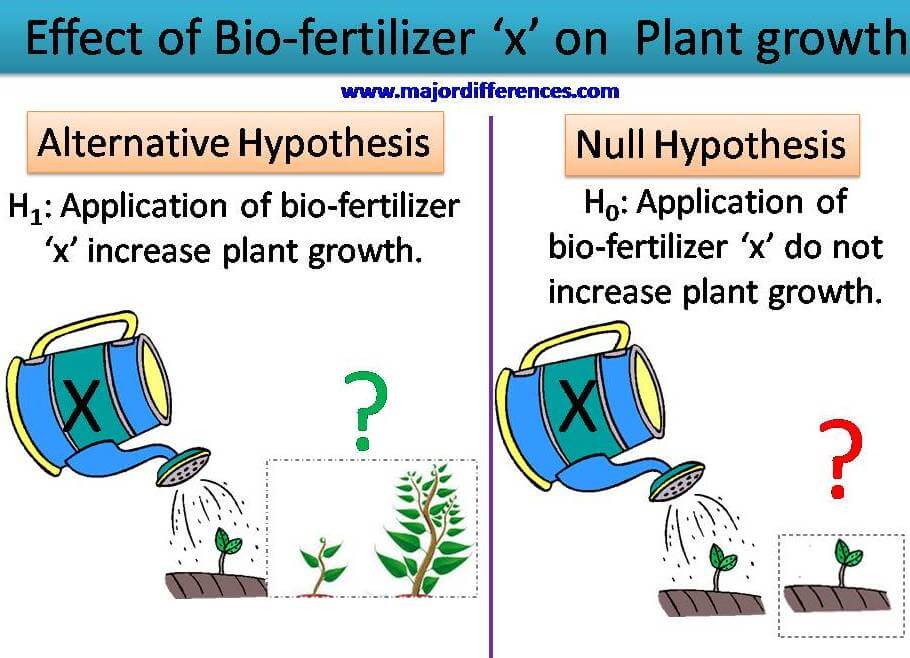
A hypothesis is a well-defined and testable statement predicting the relationship between variables. It embodies the researcher’s anticipation and serves as a catalyst for inquiry. For instance, consider a scenario where researchers are interested in understanding the effect of a new diet on weight loss. The hypothesis could be articulated as follows: “Individuals who follow the new diet will experience greater weight loss than those who do not.” This statement inherently suggests a positive correlation between the new dietary regimen and weight loss outcomes, thus setting the stage for empirical exploration.
Conversely, the null hypothesis serves as a foundational contrapositive to the hypothesis, embodying a position of skepticism. It posits that no significant relationship exists between the variables in question. Using the previous example, the null hypothesis would be articulated as: “There is no difference in weight loss between individuals who follow the new diet and those who do not.” This assertion is crucial, as it establishes a baseline against which the hypothesis can be tested, promoting a rigorous examination of the evidence.
The interdependence between the two hypotheses invites curiosity and provokes contemplation about the nature of scientific method. Testing a hypothesis against its null counterpart compels researchers to adopt a critical mindset. Can we definitively accept or reject the hypothesis based on the evidence at hand? Or, should we remain cautious, acknowledging the possibility of error and alternative explanations?
To truly appreciate the delicate balance between hypotheses, one must consider various methodologies frequently employed in the scientific community. For instance, using randomized controlled trials (RCTs), researchers can effectively isolate the impact of the independent variable—the new diet—from other potential influencers, such as physical activity or metabolic differences among participants. In doing so, they sharpen the validity of their findings, lending credence to the hypothesis while potentially illuminating the null hypothesis.
Data analyses play a crucial role in this dynamic. Statistical techniques, such as t-tests or ANOVA, empower researchers to compare groups quantitatively. Through these sophisticated analyses, they can derive insights regarding the relationship between their variables of interest. A compelling result that leads to the rejection of the null hypothesis strengthens the argument for the hypothesis and supports the researcher’s initial assumptions. Yet, robust scientific inquiry does not emerge solely from positive results; it flourishes in an environment where the null hypothesis is granted equal weight. A failure to reject the null hypothesis allows researchers to pivot their focus, evoking new questions and explorations.
The implications of hypothesis testing extend beyond the confines of academia. They resonate in industries ranging from healthcare to technology, where evidence-based decision-making shadows daily operations. For instance, pharmaceutical companies routinely test the efficacy of new medications against placebos, scrutinizing them through the lens of hypotheses and null hypotheses. Such practices ensure that only the most effective treatments make their way to consumers, safeguarding public health.
An intriguing facet of hypothesis testing is the concept of statistical significance. It hangs precariously on the threshold of p-values—probabilities reflecting the likelihood of observing the results if the null hypothesis is true. A low p-value often becomes a siren call, prompting researchers to reject the null hypothesis and embrace their hypothesis with vigor. However, the allure of statistical significance is not without nuance; it invites challenges regarding reproducibility and interpretation. Are we observing a genuine phenomenon, or could our findings be the byproduct of chance?
When examining real-world applications, consider a groundbreaking study on the influence of sleep deprivation on cognitive performance. The researchers might hypothesize, “Sleep deprivation negatively affects cognitive performance compared to adequate sleep.” The null hypothesis, then, would claim, “Sleep deprivation does not affect cognitive performance.” After conducting a series of experiments, should the data reveal that participants who were sleep-deprived performed significantly worse on cognitive tasks, the null hypothesis would face rejection, affirming the original hypothesis. Such findings hold monumental significance in fields such as education and occupational health, where sleep quality can heavily influence productivity and learning outcomes.
Beyond mere hypothesis testing, this practice encourages a culture of continuous questioning. Researchers are prompted to consider not only whether their initial hypothesis stands but also how their findings might inform future scientific inquiries. The dialogue between hypotheses promotes intellectual humility, reminding scholars that knowledge is an evolving entity, ripe for challenge and refinement.
In summary, the landscape of hypothesis and null hypothesis constructs an intricate tapestry interwoven with inquiry, skepticism, and discovery. As one delves into the realm of scientific exploration, the interplay between hypotheses unveils a narrative that is both compelling and instructive. By remaining open to both affirmation and contradiction, researchers transcend the confines of their original hypotheses, engaging in an intellectual dance that fuels progress and innovation across myriad disciplines. This journey through hypothesis testing invokes profound curiosity and promises a shift in perspective—a relentless pursuit of understanding that lies at the heart of human endeavor.