Imagery is a captivating poetic device that encapsulates vivid descriptions, allowing readers to engage their senses and visualize the emotions conveyed through words. What is it about imagery that enchants us so? Can a simple arrangement of nouns and verbs really paint pictures as evocative as those found in our memories?
To explore the essence of imagery poetry, let us dissect its components, examine its significance, and ultimately endeavor to grasp why poets wield this tool with such finesse. Imagery transcends mere description; it creates an experience, an invitation to see the world through the poet’s lens. But can you decipher the imagery woven within a poem? It may seem like a straightforward task, yet the challenge lies in uncovering deeper meanings veiled within the vivid imagery.
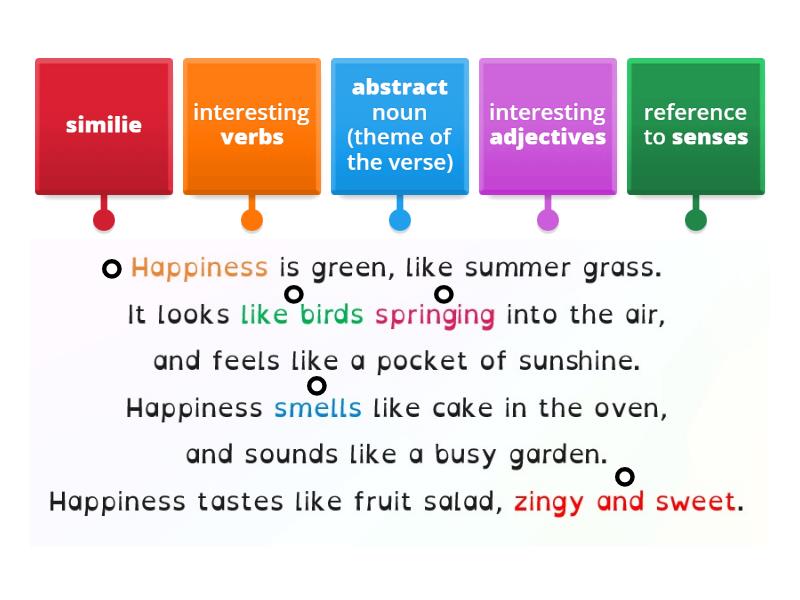
At its core, imagery is categorized into five sensory types: visual, auditory, olfactory, gustatory, and tactile. Each category targets a specific sense, allowing the reader to immerse themselves in the poetic experience. For instance, a visual image vividly constructs a scene in the reader’s mind—color, light, and shadows burst forth in a way that transcends the written word alone.
Consider an imagery poem that describes a sunset. The vibrant red and orange hues blend effortlessly, resembling a painter’s palette splattered across an ethereal canvas. The sun dips below the horizon, its fiery glare momentarily blinding as silhouettes of trees frame the majestic descent. This visual imagery conveys not only the physical components of the event but invokes a sense of peace, reflection, and the cyclical nature of existence.
In contrast, auditory imagery brings to life the sounds that echo within the poem. Imagine a bustling cityscape where horns blare, people chatter, and the distant sirens wail. These auditory images immerse the reader in the chaotic symphony of urban life, giving them a compelling reason to explore the theme of isolation amidst connectivity. When a poet utilizes sound, they set a rhythm that can either soothe or jolt the reader, crafting an emotional landscape that resonates deeply.
Moreover, olfactory and gustatory imagery invoke scents and tastes, stimulating memories tied to specific flavors or odors. “The fragrance of lilacs wafted through the air,” or “the bitter tang of espresso lingered on the tongue” can transport a reader to personal experiences, bridging the gap between poet and audience. Such sensory engagement heightens emotional involvement, challenging readers to conjure their own associations while interpreting the text.
Tactile imagery stimulates a sense of touch, evoking the warmth of the sun on one’s skin or the rough texture of bark against fingertips. Such vivid descriptions can stir feelings of longing for connection or nostalgia for simpler times. How does a poet manipulate tactile sensations to guide a reader’s emotional response? It’s the nuance of physical sensation, the way it intertwines with emotional states, that offers a rich tapestry for deeper exploration.
Now, let’s interlace a specific example of an imagery-laden poem, “The Farmer’s Autumn,” which encapsulates the transformative essence of fall. Each verse serves as a striking illustration of sensory engagement:
“Crimson leaves clatter like whispered secrets,
each gust of wind a harbinger of chill,
while the morning fog blankets the field,
the distant clinking of chains heralds harvest’s toil.”
In this stanza, visual imagery springs forth in the “crimson leaves” and the “morning fog,” allowing readers to picture a quintessential autumn scene. The auditory imagery of “clinking chains” adds a rhythmic undertone, embodying the labor and diligence of the harvesting process. Herein lies the challenge: can you experience the labor’s sweat and the ephemeral beauty? This invites consideration of the fleeting nature of time and toil, mitosis of seasons from abundance to dormancy.
Moreover, poets often engage metaphor to anchor their imagery with profound significance. For instance, likening the autumn leaves to “whispered secrets” invokes deeper contemplation on the transient aspect of life—reminding us that like the seasons, moments are ephemeral, yet imbued with beauty. The question arises: how can such imagery reflect the cycles we encounter in our own lives?
Breaking down the technical aspects, we find that effective imagery often depends on the careful selection of adjectives, active verbs, and even symbolism. Poets consciously choose words that resonate with the desired emotion or experience. How does the author’s choice of diction enhance or detract from the overall impact? Here lies a potential challenge: will you scrutinize those words, noting their influence on your interpretation of the overall piece?
The richness of imagery poetry lies in its duality: the literal interpretation alongside the metaphorical. While one can appreciate the visual allure of the language, the underlying themes beget contemplation and introspection. When confronted with a poem that paints images in your mind, ask yourself—what emotions do these images evoke? What stories do they whisper beyond their words?
In conclusion, imagery poetry serves as a formidable tool for poets striving to create vivid, sensorial experiences. It beckons readers to engage fully, challenging them to decode layers of meaning housed within striking visuals, sounds, tastes, and textures. As you delve into the intricate world of vivid descriptions, consider the myriad possibilities that lie within each carefully crafted image. Will you take on the challenge to interpret and appreciate the nuances that imagery poetry has to offer? The canvas is wide, and your brushes await.