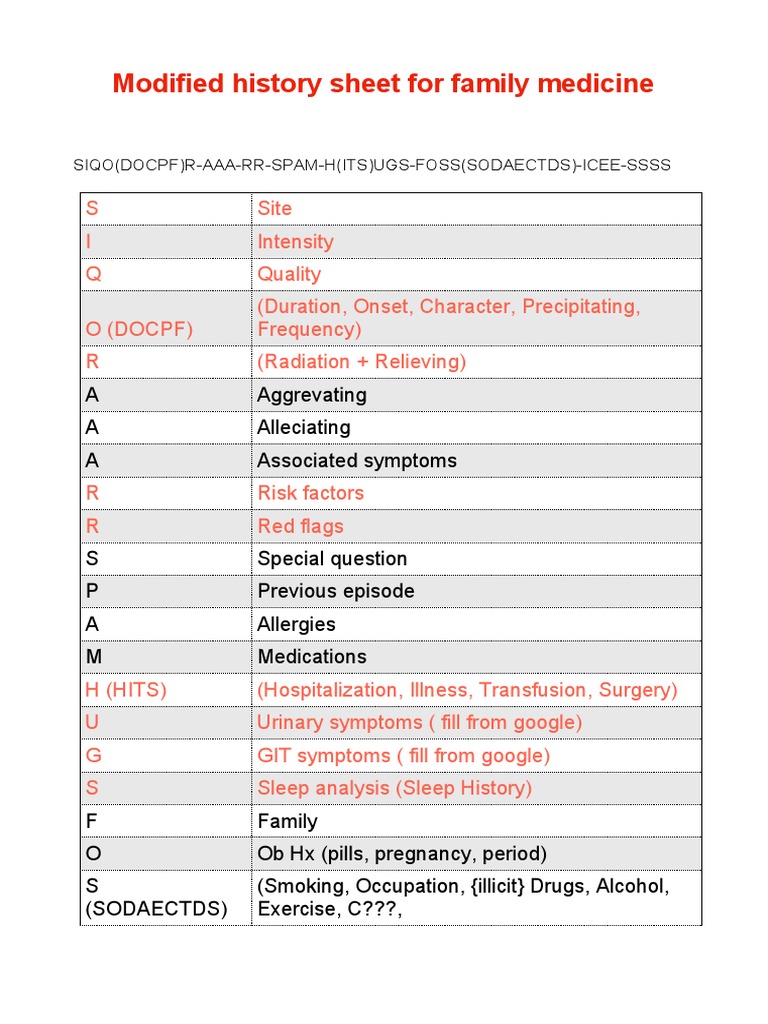
The 1960s was a transformative period in medical history, marked by sweeping advancements in technology and significant shifts in societal perspectives regarding health and wellness. One remarkable relic of this era is the medical history sheet — a standardized document employed by healthcare professionals to compile a patient’s medical background and present an overview of their health status. This article explores an example of such a medical sheet from 1960, emphasizing its particular structure, the nuances of its language, and the cultural contexts that informed its design and utility.
The Structure of a 1960 Medical History Sheet
A typical medical history sheet from 1960 would exhibit a rather straightforward format. Primarily divided into several sections, this document encapsulated pertinent information that was essential for effective patient care. It would often begin with the patient’s personal information, including their name, age, sex, and contact details. Following this basic introduction, healthcare practitioners would document the patient’s medical history in a structured yet descriptive manner.
Upon delving deeper, the sheet would typically include sections dedicated to family medical history, which sought to ascertain hereditary conditions that could impact the patient’s health. It would outline details regarding the health challenges faced by immediate family members, thereby providing valuable insights into genetic predispositions. The nuances of familial interactions often reveal unspoken generational traumas or triumphs that shape an individual’s health narratives.
Next came the social history segment, which comprised lifestyle choices such as smoking, alcohol consumption, and dietary habits. In the 1960s, the burgeoning fascination with social determinants of health began to take root. These entries were not mere numerical data; they served as windows into a patient’s daily existence, reflecting societal norms and individual choices. For example, someone’s occupation could indicate levels of physical exertion and exposure to hazardous elements, illuminating a broader conversation about workplace health and safety.
Medical Conditions: A Detailed Examination
One of the most critical sections of the medical sheet was the recorded illnesses. While chronic conditions such as hypertension or diabetes may have made appearances, acute illnesses like influenza or gastritis were also documented. The physician would engage with the patient to chart their medical narrative, and they often relied on therapeutic jargon that would have been common within medical circles but less accessible to the layperson. This specialized language could hint at not just a clinical diagnosis but a set of emotional and psychological interpretations attached to that disease.
The inclusion of allergies represented another essential aspect. Understanding a patient’s sensitivities enabled healthcare providers to prescribe treatments safe from adverse reactions. In a way, this particular section underscored the unity of mind and body, as the psychological ramifications of allergies could affect a patient’s mental well-being.
The Role of Technology and Cultural Context
In the backdrop of this medical sheet from 1960 supported the rising prominence of medical technology. The stethoscope, the sphygmomanometer, and the thermometer were transformative instruments, but they required thorough documentation to maximize their utility effectively. The medical history sheet served as a liaison between technological advancement and humanistic care — a bridge leading to improved patient outcomes.
The cultural context of the 1960s cannot be overlooked. This period witnessed the emergence of counterculture and shifting views on health and medicine. The lingering shadow of the post-war world gave rise to a collective consciousness eager for knowledge and empowerment. Patients began to take a more active role in their healthcare decisions, moving away from the erstwhile paternalistic medical model. This shift necessitated a more comprehensive to record patient interactions framed by a spirit of collaboration.
Interestingly, this era also saw the genesis of specific health movements, including the feminist health movement, which critiqued traditional medical approaches regarding women’s health. Such movements underscored the importance of understanding patients as multifaceted beings whose histories are laden with societal nuances and historical injustices.
Enduring Legacy and Contemporary Relevance
The medical history sheet from the 1960s may seem archaic at first glance, yet it offers a compelling lens through which to view the evolution of healthcare communication. Much like the art of storytelling, these sheets were not just functional tools but also narrative devices that enriched the patient-provider relationship. They reveal an intricate understanding of the times and evoke curiosity about how perceptions of health and well-being have shifted across decades.
In contemporary healthcare, while digital health records have largely supplanted paper documents, the foundational principles engraved in these medical history sheets endure. Current patient intake forms still seek to capture the essence of the individual, preserving pertinent information while ushering in technological efficiencies. Thereby, they continue to spark conversations about the patient’s holistic identity, encapsulating both their physical ailments and psychological dispositions.
In conclusion, the medical history sheet from 1960 is not merely an assemblage of clinical data; it is a narrative tapestry woven from familial legacies, social dynamics, and the ever-evolving understanding of health. This seemingly simple form encapsulates the complex interplay between patient and practitioner and is a testament to the progress made over the last several decades in the quest for comprehensive, compassionate, and individualized care. As one gazes back at this artifact of health history, it is impossible not to feel a profound sense of fascination and gratitude for the advancements that have shaped modern medicine.