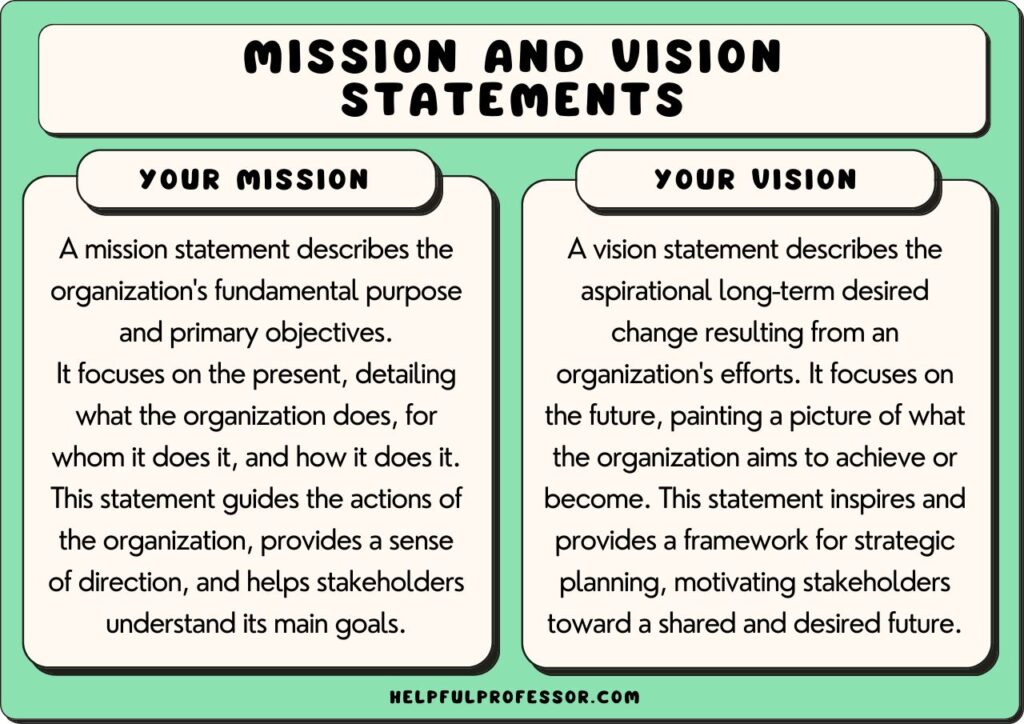
In a world increasingly driven by corporate values and social responsibility, the mission statement has emerged as a vital document for organizations of all shapes and sizes. This succinct expression of a company’s principles, goals, and overarching purpose serves not merely as a guiding framework but also as a beacon for stakeholders, employees, and customers. This article delves into the intricacies of mission statements, presenting diverse categories and illuminating the key elements that make them effective.
Understanding the significance of a mission statement is paramount. It is akin to a compass that directs an organization through the labyrinth of industry challenges and opportunities. This essential narrative encapsulates the essence of what an organization stands for, establishing a foundation upon which it builds its strategies, goals, and culture. As we explore various examples, we will categorize them into distinct types, enriching our appreciation for their diverse functions.
1. Corporate Mission Statements
Corporate mission statements are the bedrock of large organizations, articulating the company’s primary objectives and values. For instance, consider the mission statement of a major technology company:
“To empower every person and every organization on the planet to achieve more.”
This statement reverberates with ambition and inclusivity, highlighting the company’s commitment to innovation and empowerment. Such mission statements typically reflect a wide-ranging vision and a keen focus on customer impact.
2. Nonprofit Organization Mission Statements
Nonprofit organizations create mission statements that encapsulate their altruistic purposes. They convey their dedication to a cause rather than profit maximization. For example:
“To end hunger in our community by providing access to nutritious food and promoting self-sufficiency.”
This mission is poignant and specific, compelling both volunteers and donors alike. By clearly articulating their objectives, nonprofits can foster a sense of community, encourage support, and galvanize action.
3. Educational Institution Mission Statements
Educational institutions often have mission statements that reflect their commitment to shaping the minds of future generations. A university’s mission statement might read:
“To cultivate a community of learning that empowers individuals to contribute positively to society.”
Here, the focus is on community and societal impact, acknowledging the role of education in fostering informed and engaged citizens. Such statements are crucial for attracting students and faculty who share these values.
4. Small Business Mission Statements
Small businesses craft mission statements that often reflect their unique character and local community ties. Consider a local coffee shop:
“Brewing community connections one cup at a time.”
This statement employs vivid imagery to express the dual purpose behind every cup of coffee served: quality products and a warm, welcoming atmosphere. Small business missions are often more personal, reflecting the owner’s values and desires to foster community.
5. Start-up Mission Statements
Start-ups often have mission statements that embody their innovative spirit and disruptive approach. A tech startup might state:
“To revolutionize the way people connect through seamless technology solutions.”
This ambitious declaration highlights the start-up’s desire to challenge the status quo while providing insight into its core offerings and targeted audience. Such mission statements are crafted to attract investors and early adopters who resonate with the brand’s vision.
6. Environmental Organization Mission Statements
Organizations dedicated to preserving the environment often express their mission through passionate declarations. For example:
“To protect the planet’s biodiversity through advocacy, education, and innovative solutions.”
Here, the emphasis is on both sustainability and activism. Such mission statements aim to inspire collective action and raise awareness about environmental issues, engaging a community of eco-conscious consumers.
7. Health and Wellness Mission Statements
In the health and wellness sphere, mission statements typically emphasize holistic care and individual empowerment. A fitness center might declare:
“To foster a healthier community through accessible fitness education and inclusive programs.”
This statement not only reflects a commitment to health but also underscores inclusivity and community support, reinforcing the center’s role as a vital resource for well-being.
Key Elements of Effective Mission Statements
Regardless of the type or industry, effective mission statements share a few key characteristics:
- Clarity: A mission statement should be straightforward and easy to understand, steering clear of jargon that could obfuscate its meaning.
- Conciseness: The best mission statements are succinct yet impactful, typically ranging from one to three sentences.
- Inspirational: A powerful mission statement motivates stakeholders, instilling a sense of purpose and direction.
- Specificity: Specific language that articulates the organization’s unique value proposition helps differentiate it from competitors.
- Flexibility: While remaining steadfast to core values, a mission statement should also allow for growth and evolution as the organization adapts to changing circumstances.
Conclusion
In summation, mission statements serve as crucial touchstones for organizations, creating a bridge between their foundational values and their operational goals. By understanding the various types and identifying the common elements that make them effective, organizations can craft mission statements that resonate deeply with their intended audiences. Whether they are driving innovation, fostering community, or advocating for a cause, well-articulated mission statements illuminate the path forward, reinforcing a shared commitment to meaningful objectives.