In the labyrinthine world of research and writing, where the corridors of information are densely packed with knowledge, an annotated bibliography serves as your guiding compass. Embarking on the journey of academic inquiry without this essential tool is akin to sailing uncharted waters without a map. At its core, an annotated bibliography is a collection of citations accompanied by succinct descriptions or evaluations, illuminating the significance of each entry as a beacon of insight in the vast ocean of literature.
To comprehend the profound utility of an annotated bibliography, one must first understand its structure and purpose. Metaphorically speaking, it is the treasure chest where the gems of scholarly work are cataloged. Each citation is like a precious stone, shining brightly with its unique contributions to the academic discourse. The annotations serve as the jeweler’s note, elucidating the value and relevance of each piece to your overarching research theme.
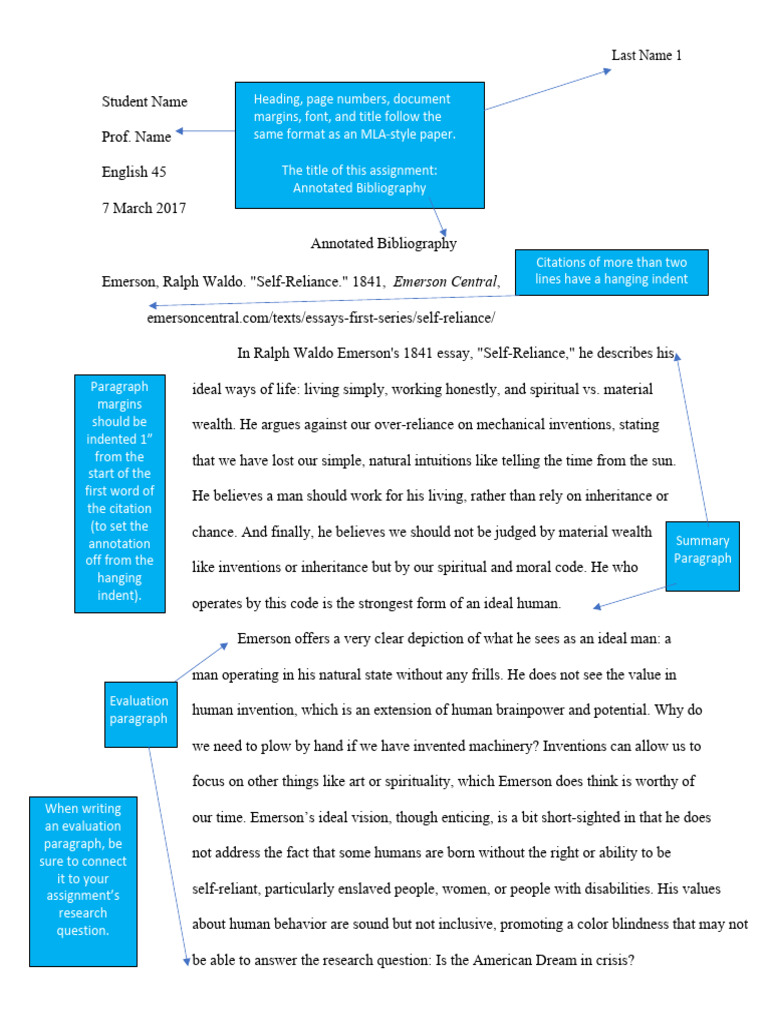
The Modern Language Association (MLA) style is a prevalent format for crafting annotated bibliographies, particularly within the realms of humanities and liberal arts. The MLA format emphasizes clarity and cohesion, ensuring that each citation is presented with precision. It instills a sense of order amidst chaos, making your scholarly pursuits not only organized but also aesthetically pleasing. An MLA annotated bibliography typically includes the following components: the citation, a brief summary, an evaluation of the source, and the application of the source to your research.
Let us traverse the structure of an MLA annotated bibliography with an illustrative example:
Example Citation:
Smith, John. “The Evolution of Modern Literature: A Survey.” Journal of Literary Studies, vol. 34, no. 2, 2021, pp. 105-123.
Annotation:
In this comprehensive article, Smith delineates the trajectory of contemporary literature, tracing its influences from postmodernism to the digital age. The author employs a multifaceted approach, drawing upon various literary theories to support his thesis. Smith’s work is particularly salient for its examination of lesser-known authors who have shaped modern narratives. This source will be invaluable for my research on the impact of digital literature on narrative structure, as it provides a rich historical context and critical analysis that will bolster my argument.
Consider the citation and its accompanying annotation as two halves of a harmonious duet. The citation, with its scholarly rigor, establishes credibility while the annotation, with its rich narrative, adds depth and context. Together, they weave a tapestry of understanding that invites readers to engage with the complexities of the topic at hand.
Moreover, annotations vary in purpose and tone, allowing scholars to tailor their entries to the specific nuances of their research. A descriptive annotation summarizes the content, while an evaluative annotation weighs the source’s strengths and weaknesses. A reflective annotation, on the other hand, ponders the relevance of the source to the researcher’s own arguments. This versatility transforms the annotated bibliography into a multifaceted repository of critical thought, enabling the researcher to navigate through diverse perspectives and insights.
The art of crafting an annotated bibliography is not merely about listing resources; it is an intellectual exercise that sharpens analytical skills. Each annotation demands discernment, compelling the researcher to sift through layers of information, dissect arguments, and evaluate the veracity of sources. This rigorous process resembles chipping away at a block of marble to reveal a masterpiece—each chisel strike representing the careful consideration and critical engagement essential in academia.
Furthermore, the unique appeal of an annotated bibliography is its power to facilitate connections. As researchers annotate various sources, they begin to identify patterns and thematic threads that may not have been initially apparent. This intertextual dialogue enriches the understanding of the topic, illuminating connections between disparate works and fostering a more nuanced viewpoint. It is through this kaleidoscope of perspective that scholars can truly appreciate the richness of intellectual diversity.
In the realm of education, educators often assign annotated bibliographies to foster research skills among students. This practice equips students with tools to evaluate sources critically, enabling them to become discerning consumers of information—an invaluable skill in the age of misinformation. As students curate their bibliographies, they engage in an intellectual rite of passage, transforming from passive recipients of knowledge into active participants in the scholarly conversation. This metamorphosis is akin to a caterpillar emerging as a butterfly, fully equipped to navigate the expansive skies of academia.
To encapsulate the essence of an annotated bibliography is to embrace the intricate dance between citation and reflection. Each entry stands as a sentinel of scholarly dialogue, inviting inquiry and facilitating exploration. By committing to this rigorous form of academic documentation, researchers cultivate an environment of critical thought and robust dialogue that transcends individual works. Ultimately, the annotated bibliography is not merely a collection of citations but a vibrant tapestry woven from the fabric of human knowledge and creativity.
As you embark on your scholarly odyssey, let your annotated bibliography be a compass, guiding you through the intricate terrain of academic research. Embrace the nuance it offers, relish the process of discovery, and allow your insights to shine forth, illuminating the path for others who follow in your footsteps. The annotated bibliography is, indeed, a treasure trove of intellectual wealth, waiting to be unearthed by those brave enough to venture into the depths of knowledge.