
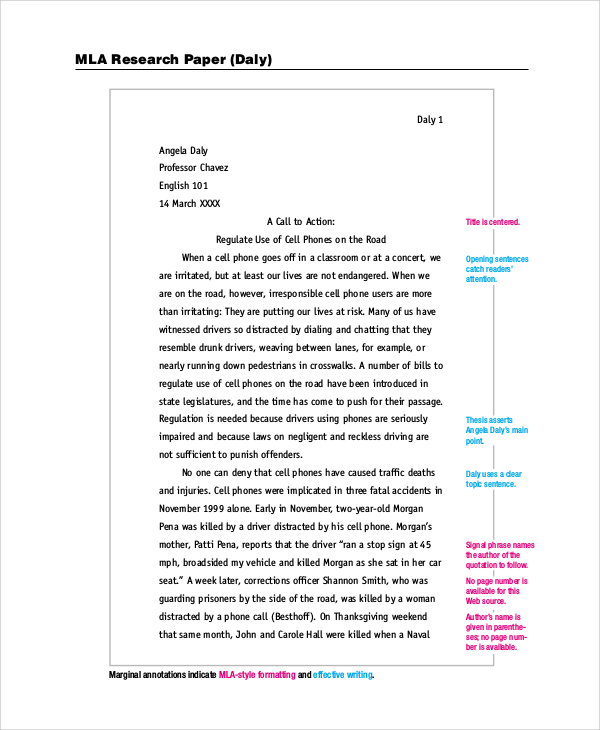
In the boundless universe of academia, a research paper stands as a lighthouse, illuminating the intricate pathways of inquiry and discovery. Much like an astute explorer cataloging new territories, a researcher meticulously examines their subject, providing an analytical framework that not only elucidates their findings but also encourages further scholarly pursuit. To truly grasp the significance of a research paper, it is essential to delve into its multifaceted components, structure, and the alluring promises it holds for both writers and readers alike.
The fundamental essence of a research paper lies in its ability to engage with a specific topic in a profound and methodical manner. Each paper invites its audience into a unique intellectual landscape, replete with paths of argumentation, sections of evidence, and tributaries of analysis. This elegant structure serves as a roadmap for the reader, guiding them through the complex terrain of the topic being explored.
The inception of a research paper is often sparked by a compelling question. Like the dawn that heralds a new day, this question awakens curiosity and propels the writer into the expansive annals of existing literature. The importance of a clear, concise research question cannot be overstated; it shapes the contours of the investigation and fortifies the direction of the argument. As the writer grapples with their question, they embark on an expedition through scholarly sources, akin to gathering invaluable gems from the vast ocean of knowledge.
Once the research question has been established, it is imperative to conduct a comprehensive literature review. This phase functions as a landscape architect, laying the groundwork for the paper’s argument. By synthesizing prior studies and theoretical frameworks, the writer crafts an infrastructure of knowledge, effectively situating their research within the broader academic discourse. This enlightening exercise not only fosters a deeper understanding of the topic but also illuminates gaps in the literature that the current research endeavor seeks to address.
As the writer ventures deeper into the realm of analysis, they must select a methodical approach to examine the data. Whether qualitative or quantitative, the methodology stands as the sturdy bridge between the research question and the findings. A robust methodology lends credibility to the paper; it demonstrates that the researcher has not merely dabbled in superficial inquiry but has engaged in thorough exploration, warranting trust in the conclusions drawn.
Armed with a well-defined methodology, the writer embarks on the exhilarating journey of data collection. Each piece of evidence collected serves as a tactile stone, contributing to the mosaic of the research paper. The analysis of this data unveils patterns and relationships that breathe life into the research question. Here is where the magic unfolds; the writer must weave together statistics, observations, and quotes from prominent scholars, crafting a compelling narrative that resonates with the reader.
Following the data analysis, a well-crafted discussion section emerges as a place for synthesis and reflection. This section is akin to the confluence of rivers, where disparate streams of thought merge and flow toward a cohesive understanding. Here, the writer interprets their findings relative to the initial research question and existing literature. They may address unexpected results, challenges encountered during research, or the implications of their findings for future studies. The discussion transforms mere findings into meaningful insights, offering a tapestry of understanding that extends beyond the confines of the paper.
Finally, the conclusion serves as the zenith of the research paper, encapsulating the journey and offering soliloquies of wisdom. Much like the final brushstroke on a masterpiece, the conclusion distills the essence of the research, reiterating the significance of the findings while leaving the audience with lingering questions and ponderings. This section often emphasizes the broader implications of the research, suggesting avenues for future inquiries, akin to planting seeds in fertile soil, waiting to blossom into new academic endeavors.
Research papers are more than mere vessels of information; they are explorations of thought, invitations for dialogue, and contributions to the vast corpus of human knowledge. The very act of writing a research paper itself is a transformative experience, imbuing the writer with a sense of purpose and intellectual rigor. Each section of the paper, from the introduction to the conclusion, forms an intricate tapestry that weaves together insights, arguments, and revelations.
Moreover, the unique appeal of a research paper lies not only in its structured approach but also in its potential to influence. A well-researched paper can catalyze discussions, challenge preconceived notions, and inspire innovative thinking in both the academic community and society at large. Just as a fire ignites passion, so too can a persuasive research paper stoke the flames of inquiry among its readers.
In essence, the act of writing and presenting a research paper symbolizes a commitment to fostering knowledge and understanding. As academicians, we aspire to be the cartographers of our intellectual realms, navigating uncharted territories and mapping the contours of knowledge. The allure of a research paper lies in this very endeavor—its ability to engage, challenge, and inspire both the writer and the reader alike. As we craft our research narratives, may we continue to illuminate the way forward, offering treasures of wisdom that last far beyond the ink on the pages.













