Creating a compelling resume is essential in today’s competitive job market, where first impressions often are made through written documents. An effective resume not only lists your work experience but tells a confident narrative about your career achievements, skills, and aspirations. This article explores various types of resumes along with specific examples, elucidating what readers can expect to find in each, and how to craft a distinguished presentation of professional identity.
Resumes can generally be categorized into three main formats: chronological, functional, and combination. Each format serves a different purpose and presents information in unique ways, allowing candidates to target their resumes according to their specific career trajectory and the nature of the job they are pursuing.
Chronological Resume
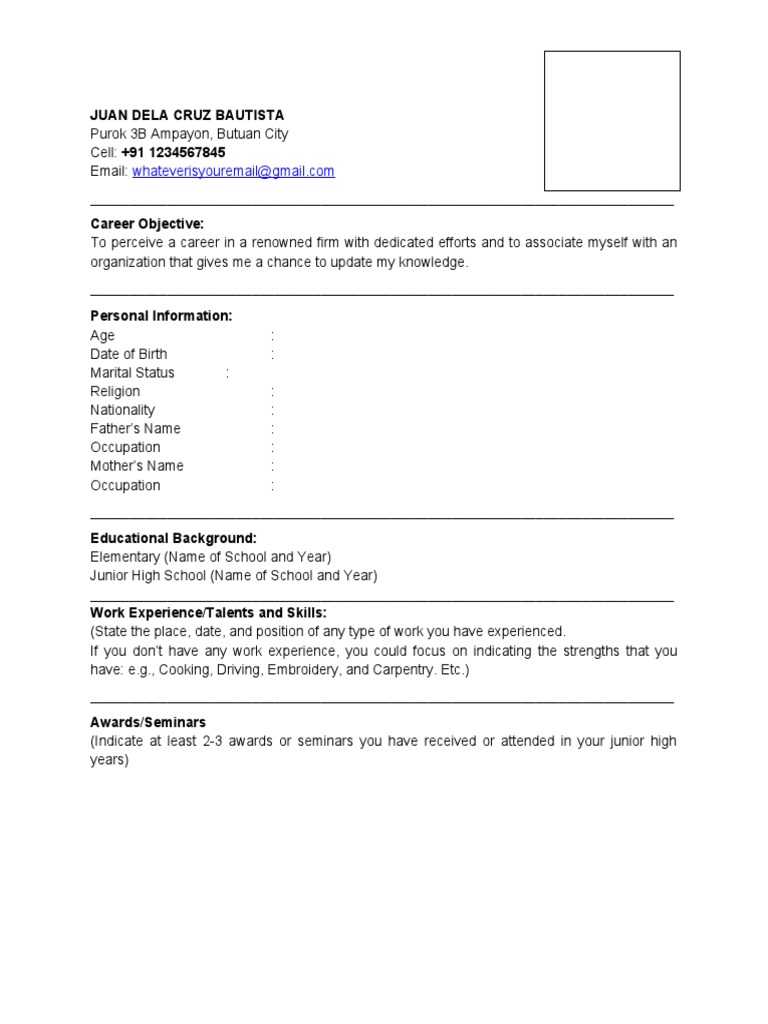
The chronological resume is perhaps the most traditional and widely recognized format. This type primarily emphasizes work history, presenting it in reverse chronological order. Job seekers who have a solid work record in a particular field are best suited to utilize this format.
For instance, a chronological resume might begin with the applicant’s contact information followed by a succinct objective or summary. The main body would then showcase positions held, starting with the most recent employment and extending backward. Each entry typically contains the job title, company name, location, and dates of employment. Beneath each role, a few bullet points would elaborate on key responsibilities and notable accomplishments. This structure allows hiring managers to easily glean the candidate’s career progression over time.
Example entry:
- Marketing Manager
XYZ Corporation, San Francisco, CA
June 2019 – Present- Developed and implemented comprehensive marketing strategies that increased brand engagement by 40%.
- Led a team of five in the execution of digital marketing campaigns, resulting in a 35% increase in online sales.
Functional Resume
The functional resume shifts the focus from chronological work experience to skills and competencies. This format is particularly beneficial for job seekers with gaps in their employment history or those changing career paths. It emphasizes transferable skills rather than the timeline of employment.
A functional resume might start with a summary of qualifications, followed by skill categories where the candidate details relevant abilities. Under each skill, examples of how these skills were applied in previous roles can be highlighted. This format allows applicants to underscore their suitability for the job at hand, irrespective of lack of direct experience.
Example section:
- Project Management
- Expertly coordinated cross-functional teams in the successful execution of over ten large-scale projects within budget and on schedule.
- Implemented innovative tracking systems that increased accountability and project efficiency by 25%.
- Communication
- Crafted compelling presentations and reports for diverse stakeholders, enhancing overall project understanding and support.
- Facilitated effective negotiations with clients resulting in mutually beneficial contracts.
Combination Resume
The combination resume merges the advantages of both chronological and functional formats. This structure often begins with a summary of qualifications or professional profile, followed by a skill section emphasizing relevant expertise, and concludes with a reverse chronological list of employment history. This hybrid approach caters to those who wish to showcase their skills while also providing a detailed employment timeline.
A well-crafted combination resume provides a balance of context and specificity. It allows candidates to narrate their professional journey while highlighting their most salient capabilities, making it an appealing format for those in mid-level to senior positions.
Example structure:
- Software Development Skills
- Proficient in multiple programming languages including Java, Python, and C++ with a strong foundation in algorithms and data structures.
- Experience in full software development life cycle (SDLC) in agile environments, ensuring high-quality code delivery.
- Professional Experience
- Senior Software Engineer
Tech Solutions LLC, Austin, TX
Jan 2020 – Present- Architected scalable systems leading to a 50% reduction in product deployment time.
- Mentored junior engineers, enhancing team productivity and skill level.
- Senior Software Engineer
Special Considerations
When crafting a resume, it is paramount to tailor the content to align with the job description. Using pertinent keywords from the job posting can significantly enhance visibility amid automated tracking systems. Additionally, quantifying achievements using numbers, percentages, and specific results can add credibility to statements and make accomplishments more tangible.
Furthermore, the importance of design and formatting should not be underestimated. An organized layout, readable font, and consistent styling facilitate easier navigation and create an aesthetically pleasing document. It is advisable to keep the resume to one or two pages, ensuring conciseness while retaining essential details.
A well-structured resume serves as a crucial stepping stone in one’s job search. By understanding the nuances between chronological, functional, and combination formats, candidates can effectively present themselves in the best light. Each format offers unique advantages, allowing individuals to emphasize their strengths and align their personal branding with the demands of prospective employers. In the end, a resume is more than a mere document; it is a narrative that reflects one’s professional journey—crafted with careful thought and consideration.