Sonnet poetry is a time-honored literary form that dates back to the 13th century, characterized by its intricate structure and emotive resonance. Sonnet enthusiasts and poets alike revel in the challenge of weaving profound sentiments within a confined assortment of lines and syllables. This article will elucidate the various forms of sonnet poetry, providing readers with a treasure trove of knowledge about its structure, themes, and notable exemplars.
1. Understanding the Structure of a Sonnet
At its core, a sonnet is a compact poem typically consisting of 14 lines, divided into distinct sections. The most common sonnet forms are the Petrarchan and the Shakespearean. Each of these styles embodies a unique structure that not only informs the rhythm but also positions the thematic peak of the poem.
In a Petrarchan sonnet, also known as the Italian sonnet, the poem is divided into an octave and a sestet. The octave traditionally follows the ABBAABBA rhyme scheme, presenting a situation, problem, or emotional state. This is followed by the sestet, which often responds to the octave and can employ various rhyme schemes such as CDCDCD or CDECDE. The shift from the octave to the sestet is crucial and is referred to as the “volta” or “turn,” marking a transition in the thought process or emotional trajectory.
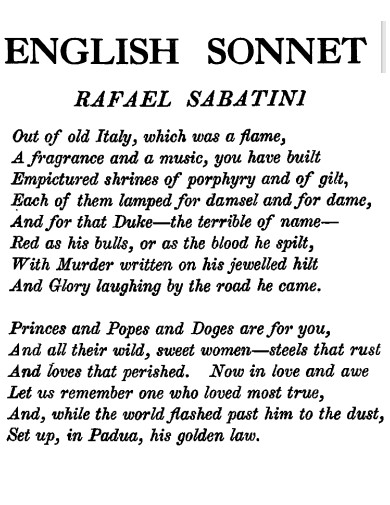
Conversely, the Shakespearean sonnet, or English sonnet, consists of three quatrains followed by a concluding couplet. Here, the rhyme scheme is ABABCDCDEFEFGG. The quatrains develop particular themes or arguments, while the couplet distills the essence of the poem’s message, often delivering an impactful resolution or twist.
2. Exploring Themes in Sonnet Poetry
Thematic exploration within sonnets is vast and varied. Common themes include love, beauty, time, and mortality. The elegance of a sonnet lies in its capacity to encapsulate complex emotions and ideas succinctly.
One quintessential theme is that of romantic love. Many poets utilize the sonnet form to express the highs and lows of emotional affection. In Shakespeare’s sonnets, for instance, love is often treated with a blend of ardor and despair, leading the reader through a poignant exploration of desire and the fleeting nature of beauty.
Another prevalent theme is nature. Poets such as John Keats and William Wordsworth have masterfully employed the sonnet form to convey their deep admiration for the natural world. Through vivid imagery and sensory detail, the beauty and tranquility of nature are articulated, inviting readers to reflect on their own relationship with the environment.
The passage of time is yet another compelling theme in sonnet poetry. It posits questions about permanence and transience, often creating a juxtaposition between the seemingly eternal beauty of art and the ephemeral nature of human life. These reflections force readers to confront their own mortality and the legacy they desire to leave behind.
3. Notable Examples of Sonnet Poetry
Examples of sonnet poetry are abundant, showcasing the mastery of language and emotion that poets have exhibited throughout history. Here are a few notable exemplars:
– **“Shall I compare thee to a summer’s day?”** by William Shakespeare is perhaps one of the most recognized sonnets in the English language. It explores themes of beauty and immortality, suggesting that the subject’s beauty transcends the fleeting qualities of a summer day. The sonnet captures the essence of romantic admiration, and its concluding lines affirm that the subject will live on through the poem itself.
– **“When I consider how my light is spent”** by John Milton presents a powerful meditation on the loss of sight and the complexities of faith. The Petrarchan structure serves the poem well, allowing Milton to articulate his struggles with identity and purpose. This sonnet stands as a testament to the resilience of the human spirit in the face of adversity.
– **“Upon Julia’s Clothes”** by Robert Herrick captivates readers with its sensuous imagery, celebrating feminine beauty. Here, the poet employs vivid sensory descriptions to evoke a sense of longing and admiration, showcasing the unique ways in which sonnets can express desire and affection.
4. Writing Your Own Sonnet
For those eager to engage with the sonnet form, crafting your own sonnet can be a rewarding endeavor. Start by selecting a theme that resonates with you. Whether it be love, loss, or nature, a clear primary emotion or idea will anchor your poem.
Next, decide on the structure—will it be a Petrarchan or a Shakespearean sonnet? Each has its distinctive virtues. When writing, allow the first eight lines (for a Petrarchan sonnet) or the three quatrains (for a Shakespearean sonnet) to develop your theme. Then, in your final lines, provide a twist, insight, or resolution that encapsulates your reflections.
Remember, while rhyme and meter are crucial, what ultimately breathes life into your sonnet is the emotional truth contained within your words. Fearlessly convey your thoughts, and trust in the potent power of imagery and metaphor.
5. Conclusion: The Timeless Allure of Sonnet Poetry
Sonnet poetry remains a profound and enchanting form of artistic expression that continues to captivate audiences across the globe. Its rich history, diverse themes, and complex structures evoke a timeless appeal, making it a cherished medium for poets and readers alike. By delving into the nuances of this remarkable form, one can appreciate the artistry and emotion ingrained in each carefully crafted line. Whether one is composing a sonnet or simply savoring the words of a master, the world of sonnets invites a deep and rewarding exploration of life’s myriad emotions.